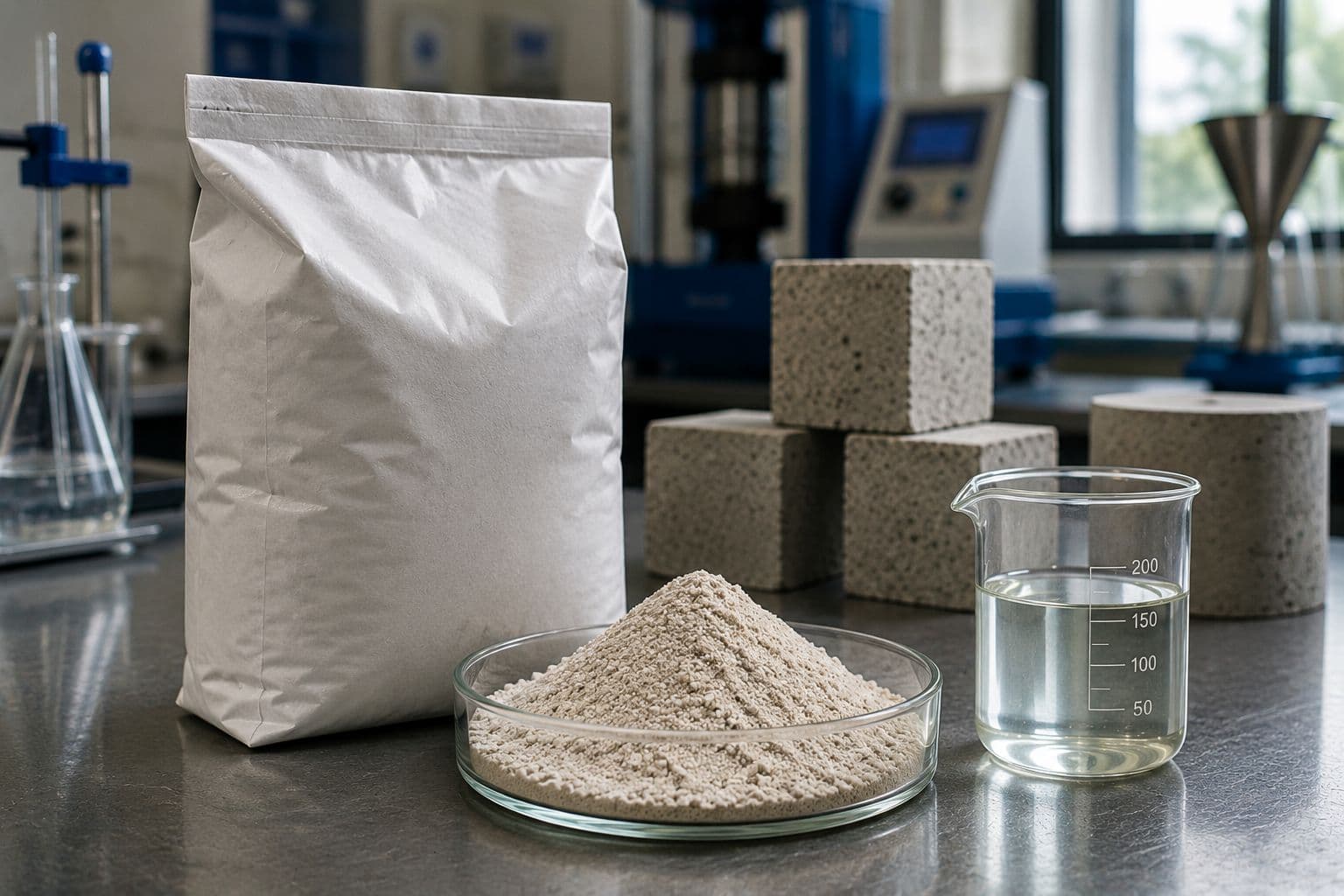
Cebex 100
Cebex 100 is widely used in construction applications where material performance, consistency, and compliance with project requirements are critical. LERM-CIVIL provides laboratory testing services to verify key quality parameters, helping consultants, contractors, and project stakeholders maintain confidence in material acceptance and project execution.
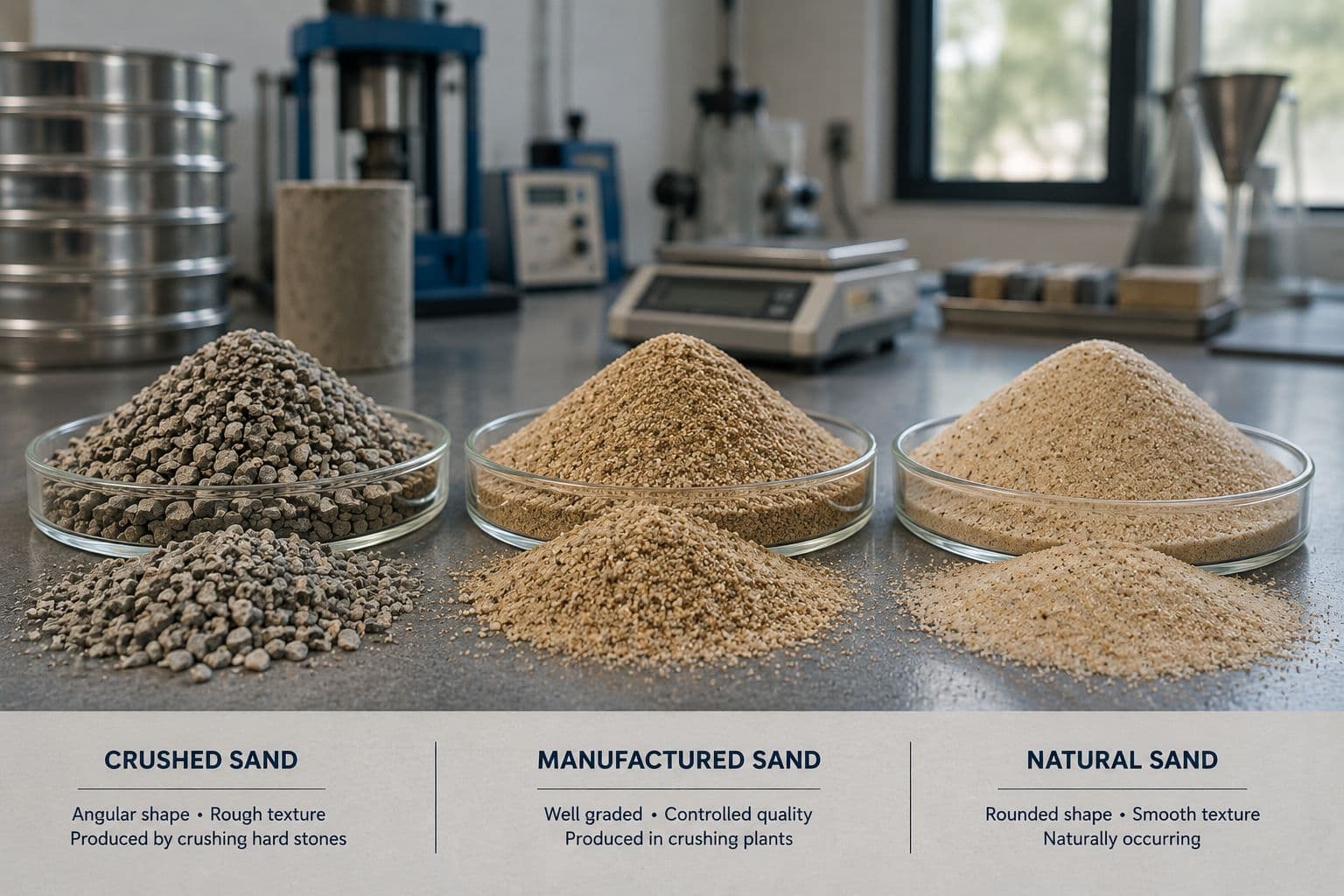
Crushed Sand / Natural Sand / Manufactured Sand
Selecting the right sand for construction projects requires more than visual inspection and supplier documentation. LERM-CIVIL provides specialized testing services for crushed sand, natural sand, and manufactured sand, helping project stakeholders verify material quality, define testing requirements, and support informed construction decisions.

Bipolar Test
Bipolar compounds used in infrastructure and industrial applications must meet strict quality and performance requirements before deployment. LERM-CIVIL provides comprehensive laboratory testing services to evaluate critical physical and chemical characteristics, helping clients verify compliance, maintain quality standards, and support safe application.

Fine Aggregate
Chemical properties of fine aggregates can significantly influence the durability and long-term performance of concrete structures. LERM-CIVIL provides comprehensive chemical testing services to evaluate aggregate quality, verify compliance with applicable standards, and support informed material selection for construction and infrastructure projects.
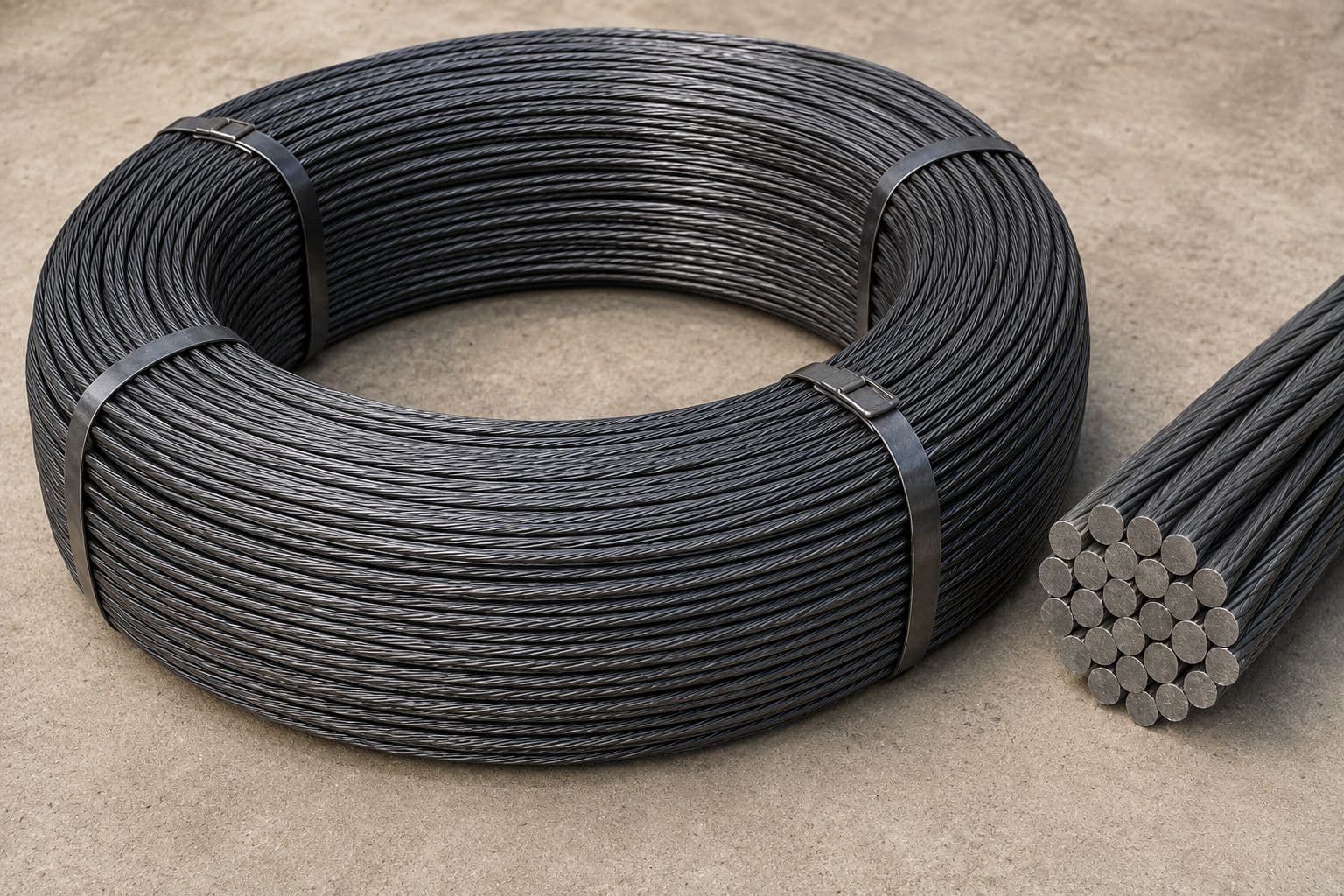
HT Strand Wire
HT Strand Wire is a critical component in prestressed and post-tensioned concrete systems used across bridges, flyovers, metro projects, industrial structures, and high-rise developments. Testing and evaluation help verify material quality, ensure compliance with project specifications, and support the long-term performance of prestressing systems.
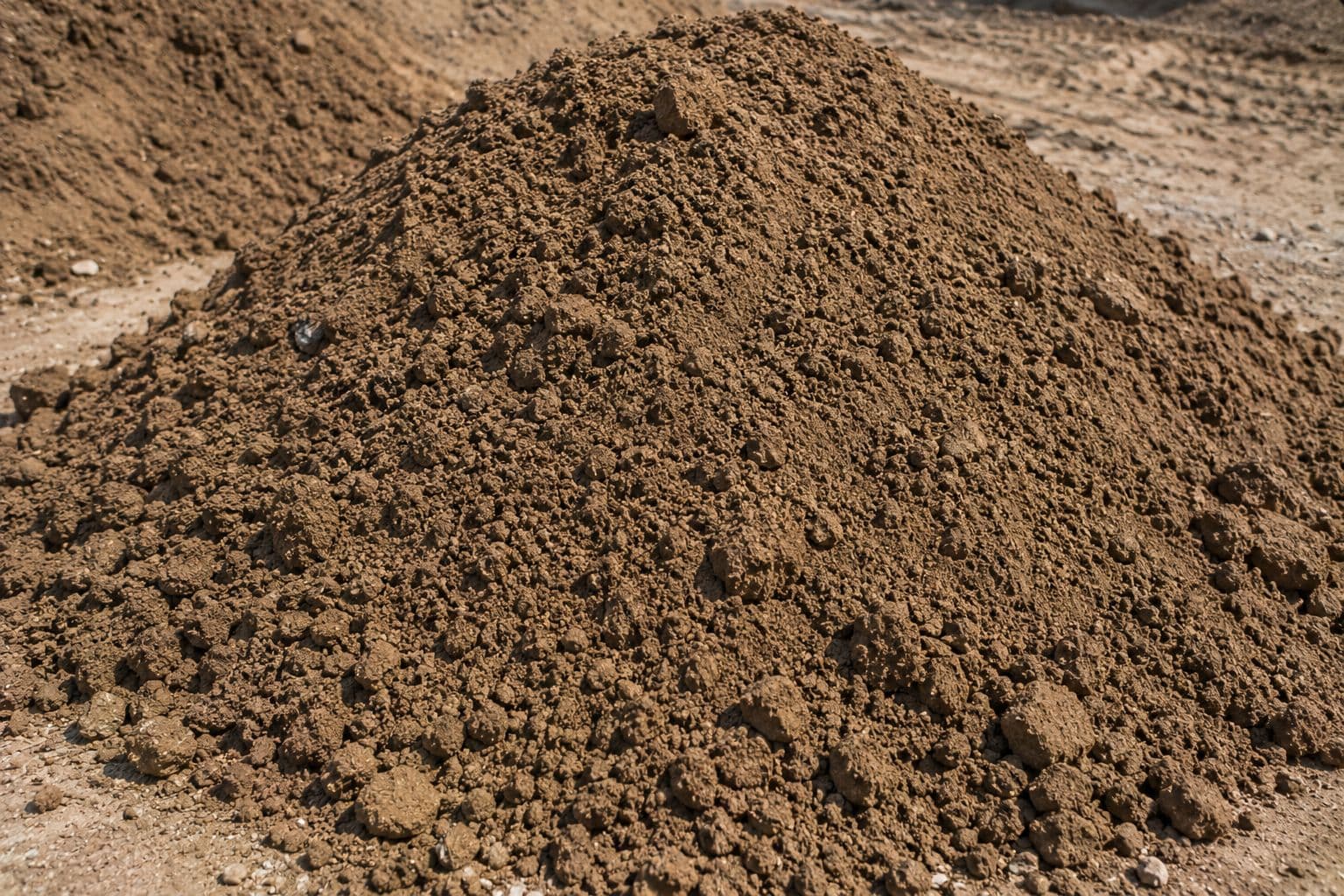
Soil
Soil forms the foundation of nearly every construction and infrastructure project. Understanding its engineering properties through comprehensive testing and evaluation helps support informed design decisions, improve construction quality, and reduce risks associated with foundation performance and ground conditions.
Rock
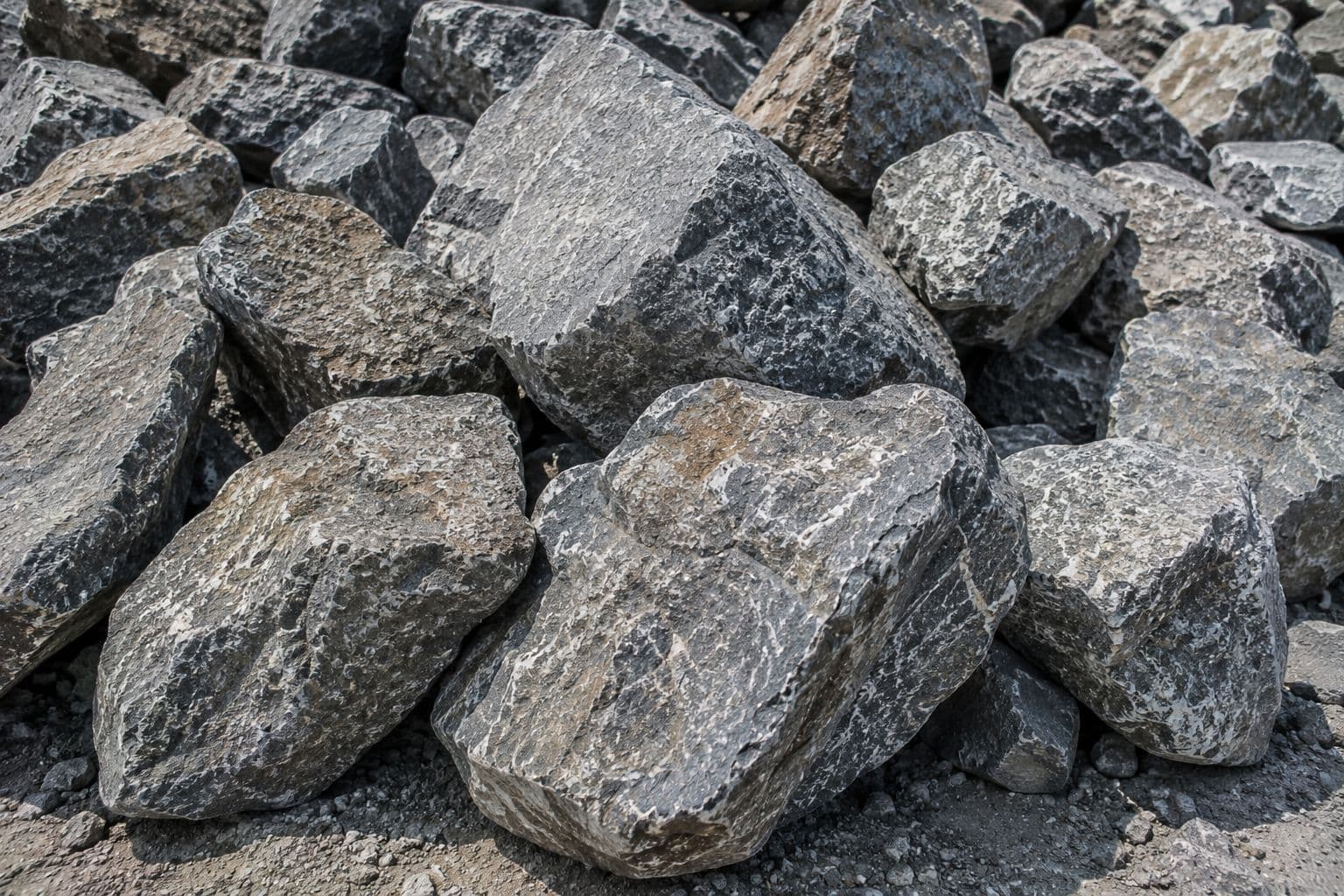
Rock properties play a critical role in geotechnical investigations, infrastructure development, tunneling, mining, slope stability assessments, and foundation design. Comprehensive testing and evaluation help project stakeholders understand rock behavior, verify engineering suitability, and support safe and informed construction decisions.
Coarse Aggregate
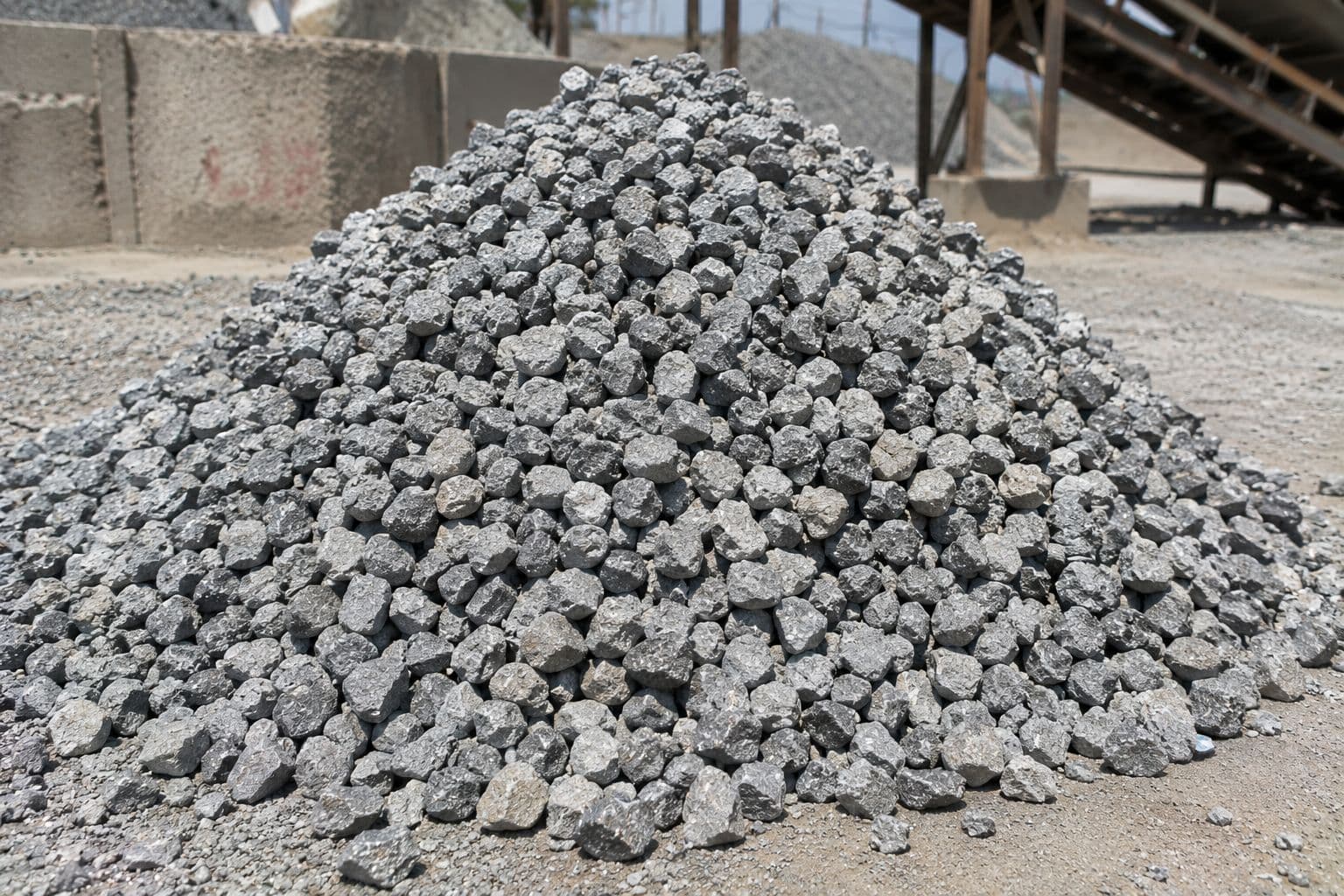
Coarse Aggregate forms the structural backbone of concrete and plays a significant role in determining strength, durability, and overall performance. Proper testing and evaluation help verify material quality, ensure compliance with project specifications, and support the successful execution of construction and infrastructure projects.
Fine Aggregate
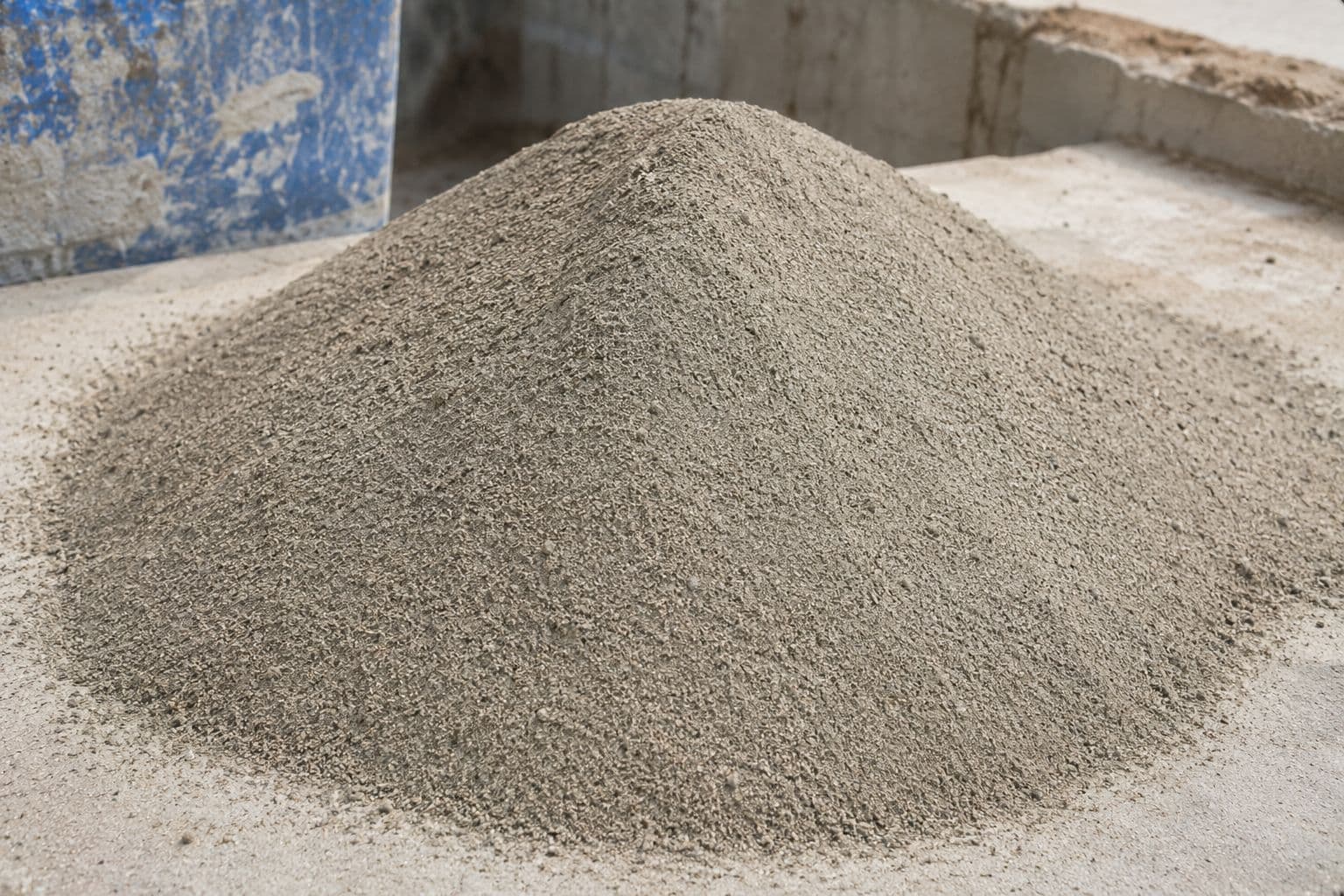
Fine Aggregate plays a crucial role in concrete, mortar, plastering, and various construction applications. Consistent quality and compliance with project specifications are essential for achieving the desired performance, durability, and workability of construction materials. Testing and evaluation help ensure that aggregates are suitable for their intended use.
Fly Ash
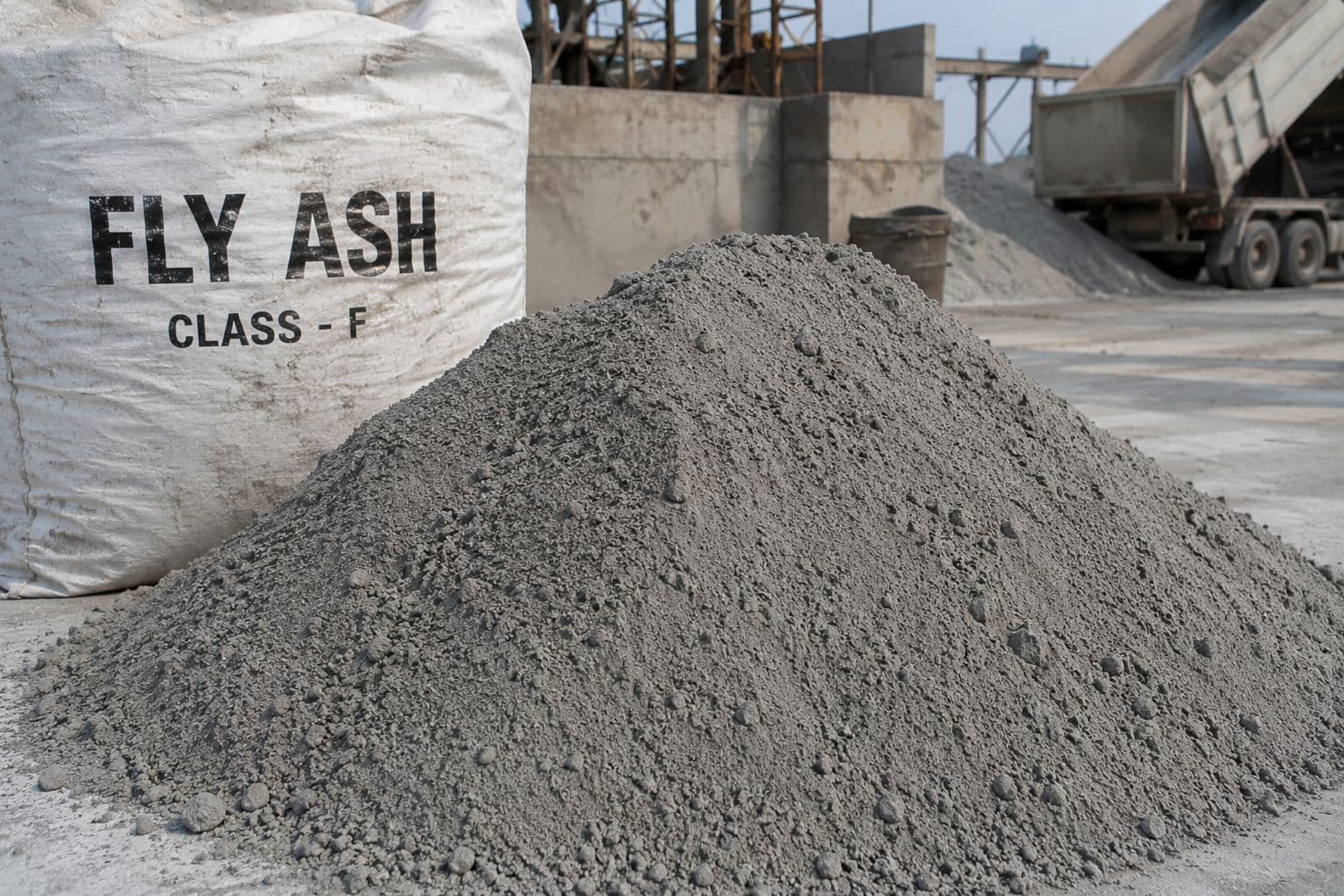
Fly Ash is widely used in concrete and infrastructure projects to support durability, workability, and long-term performance. Proper testing and evaluation help verify material quality, ensure compliance with project specifications, and support consistent construction outcomes across a wide range of applications.
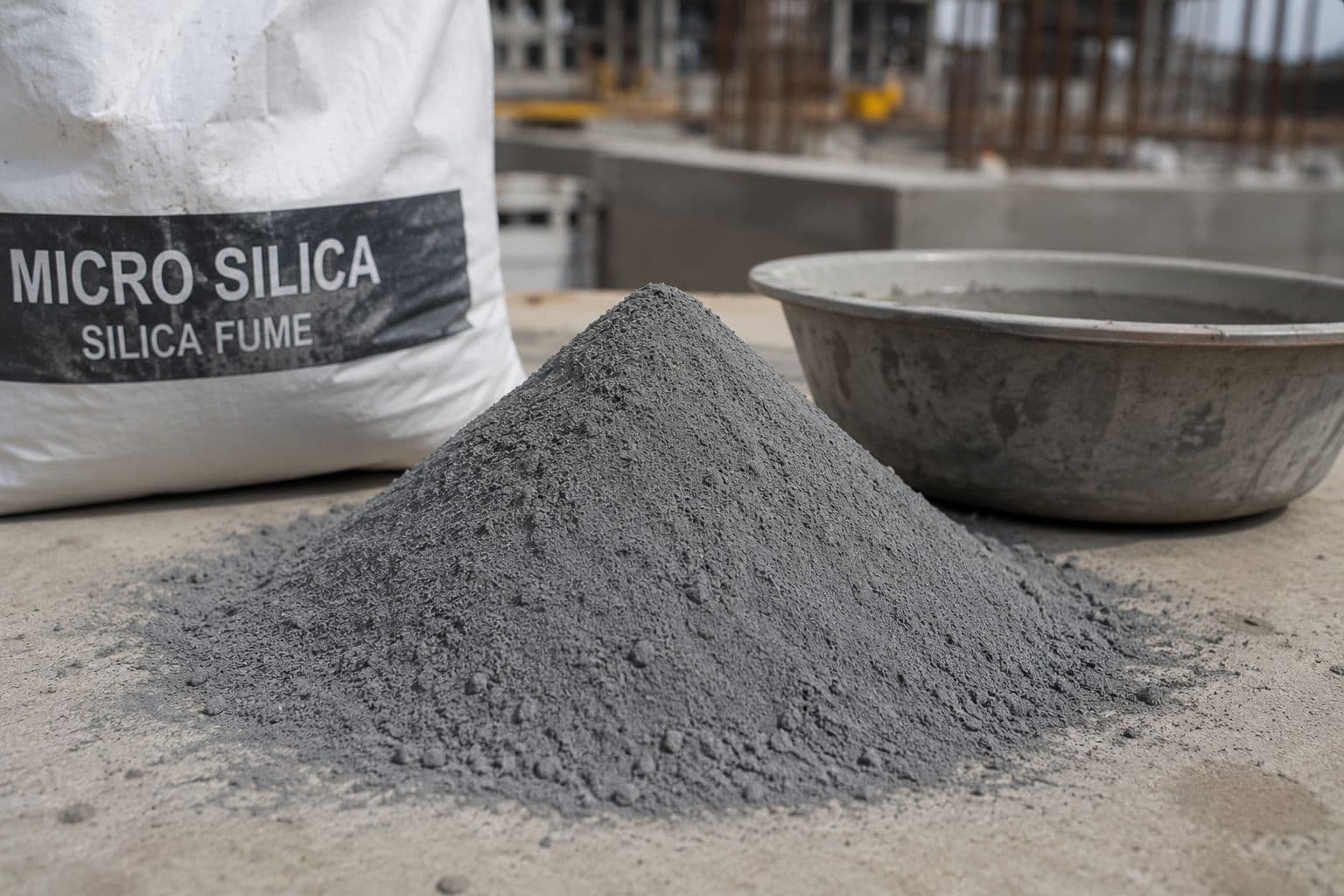
Micro Silica
Micro Silica is widely used in high-performance concrete applications to enhance strength, durability, and resistance to aggressive environmental conditions. Proper testing and evaluation help verify material quality, ensure compliance with project specifications, and support the long-term performance of concrete structures.
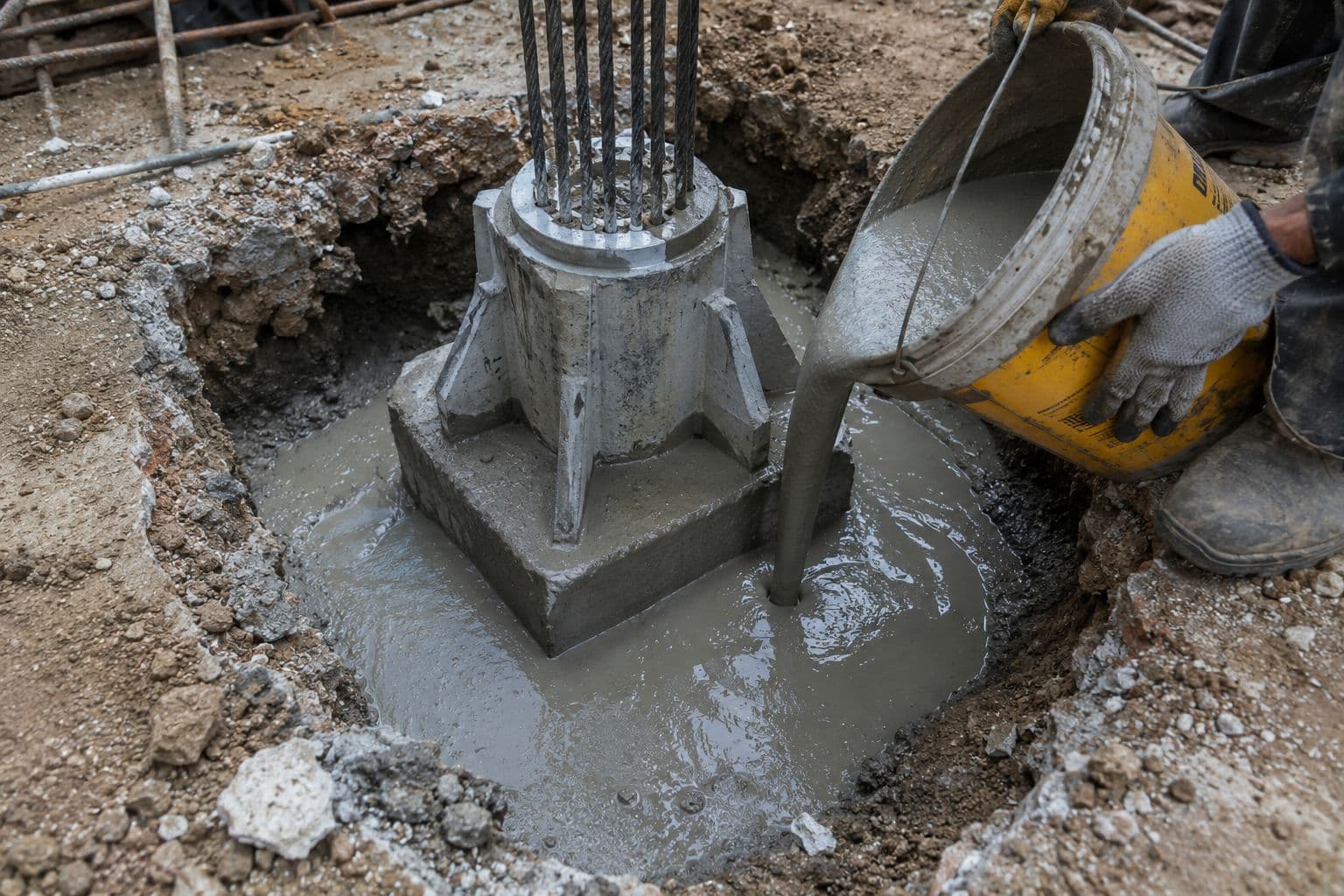
PT Grout
PT Grout plays a critical role in post-tensioning systems by helping protect prestressing steel, ensuring effective load transfer, and contributing to the long-term durability of structures. Proper testing and quality evaluation help verify performance characteristics and support compliance with project requirements.
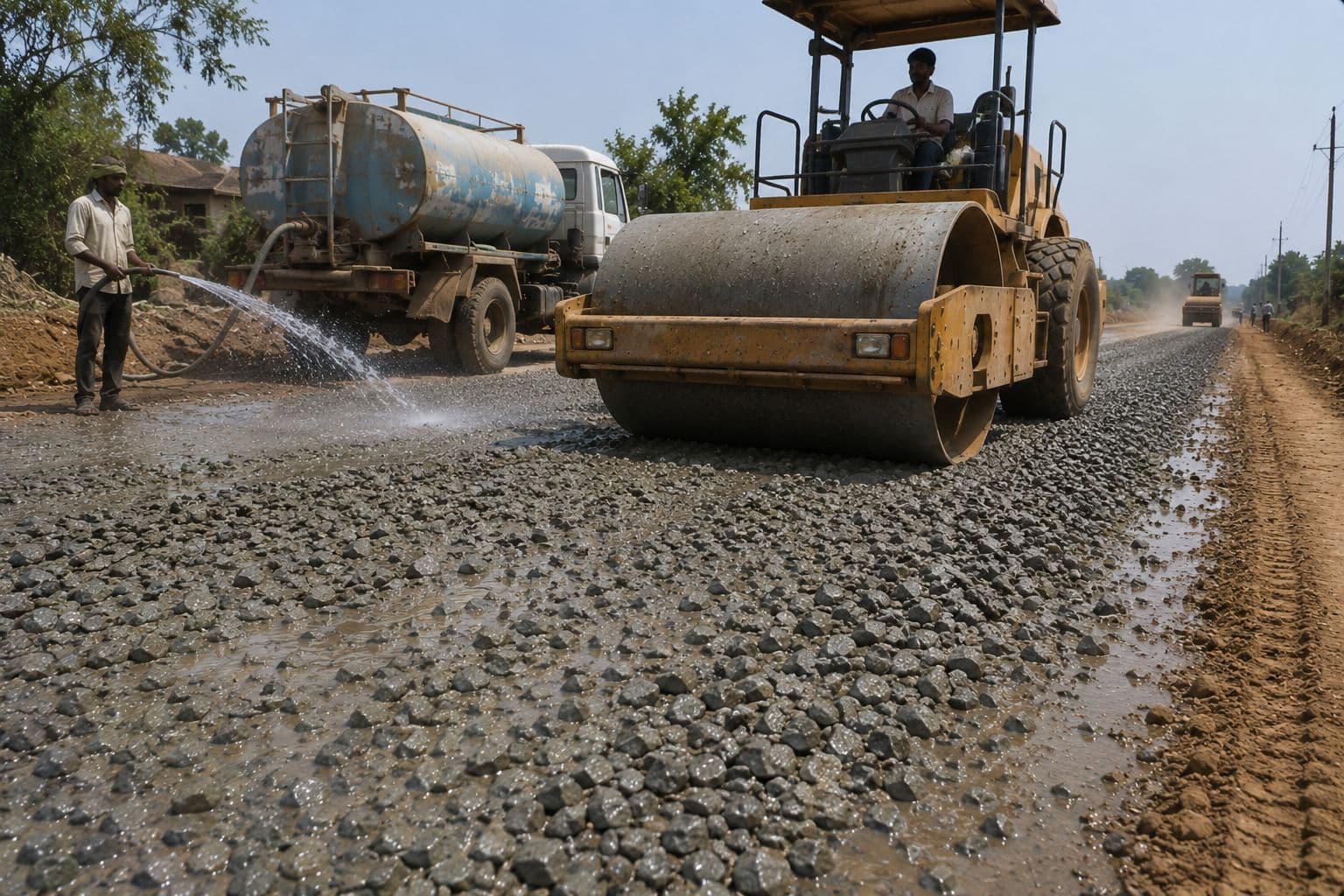
Water Bound Macadam (WBM)
Water Bound Macadam (WBM) continues to play an important role in road and pavement construction, particularly in projects where stability, load distribution, and cost-effective infrastructure development are priorities. Proper testing and evaluation help ensure material quality, compliance, and long-term pavement performance.
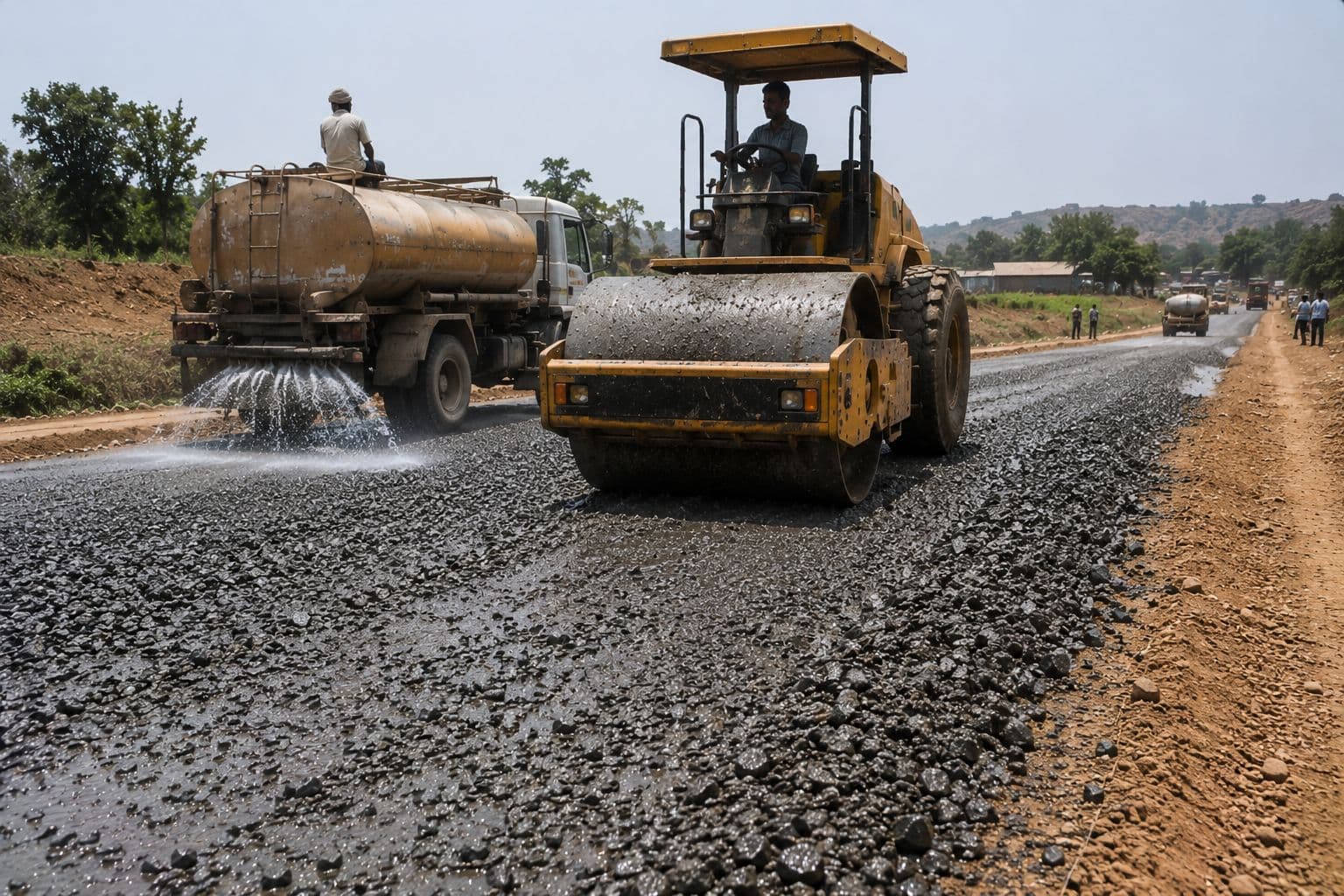
Wet Mix Macadam (WMM)
Wet Mix Macadam (WMM) is one of the most critical layers in modern road construction, serving as the foundation for pavement performance and durability. Proper testing and evaluation help ensure that WMM materials meet project specifications, support structural stability, and contribute to the long-term success of transportation infrastructure.
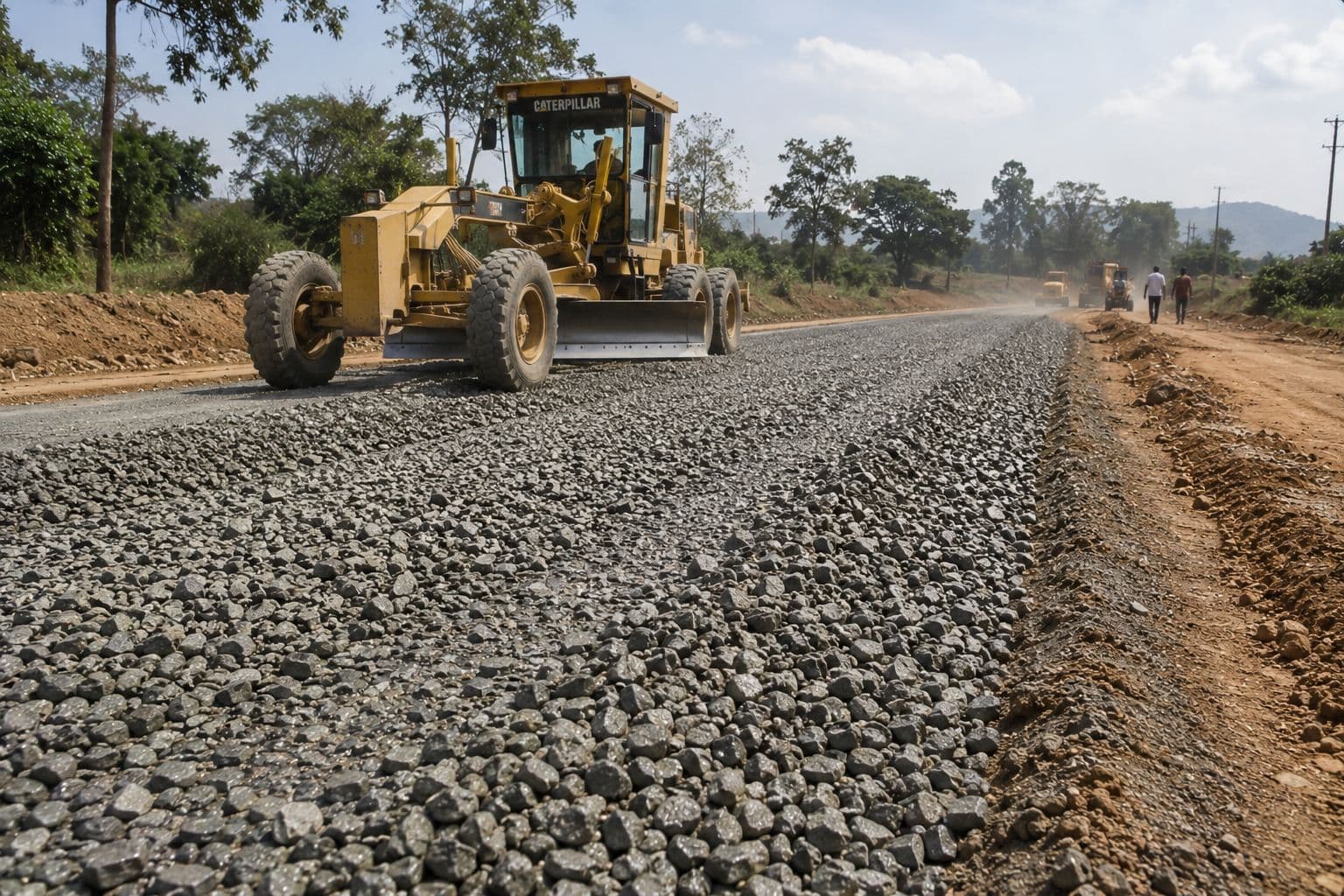
Granular Sub Base (GSB)
Granular Sub Base (GSB) forms a critical layer in road, highway, and pavement construction. Ensuring its quality through proper testing and evaluation helps improve load distribution, structural stability, drainage performance, and the long-term durability of transportation infrastructure projects.
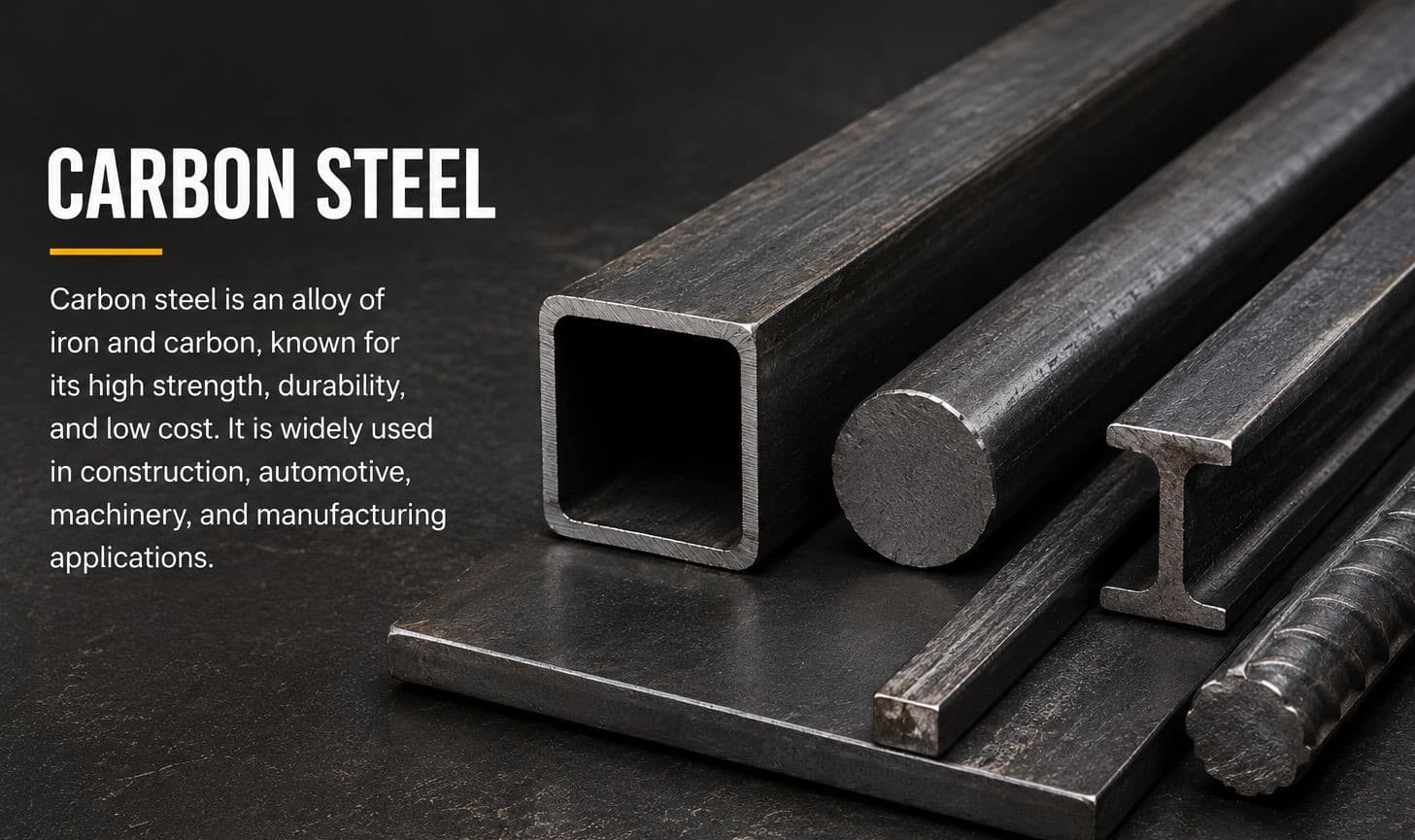
Carbon Steel
Carbon steel remains one of the most widely used engineering materials in construction, infrastructure, manufacturing, and industrial applications. Its strength, versatility, and cost-effectiveness make it a preferred choice for structural and load-bearing applications, making quality verification essential for ensuring performance and reliability.
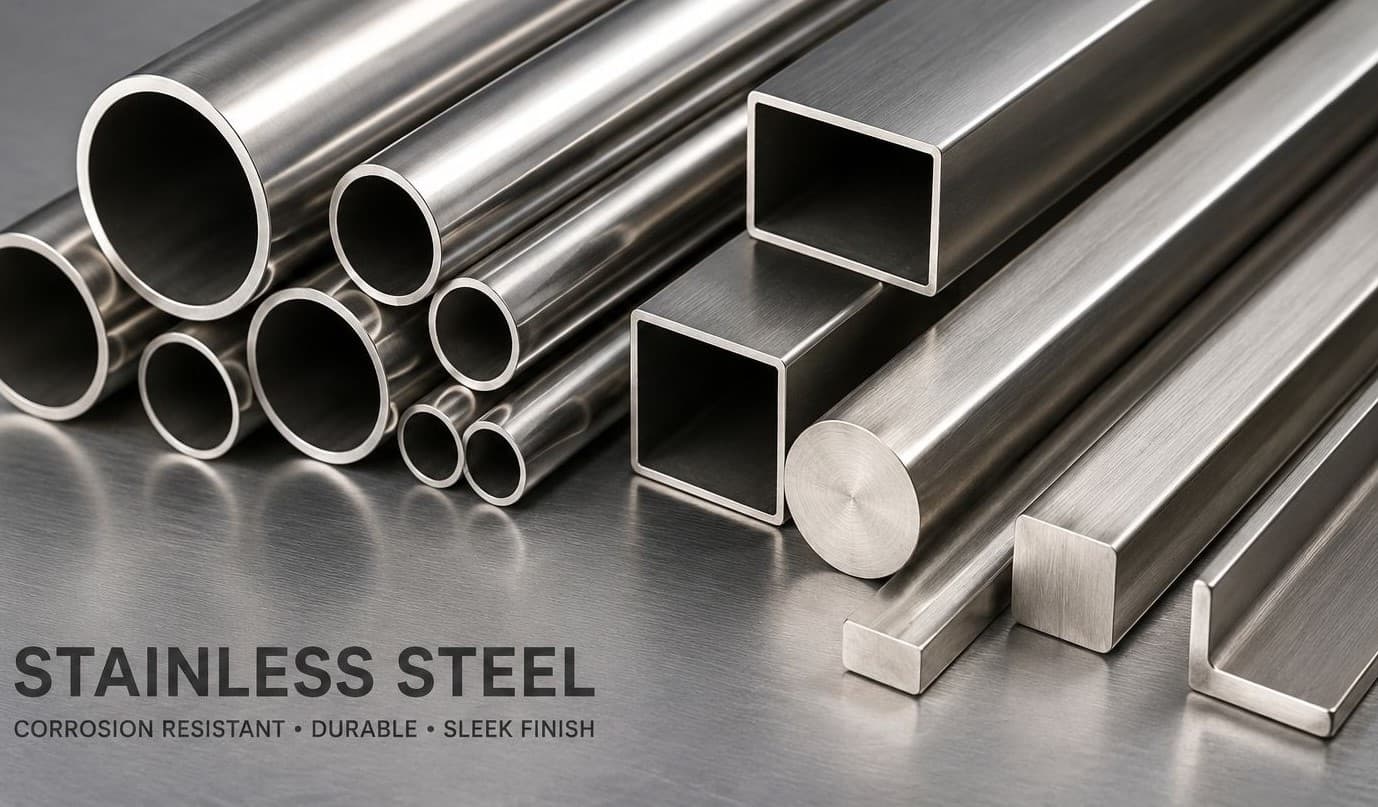
Stainless Steel
Stainless steel is widely used across construction, infrastructure, manufacturing, and industrial applications due to its exceptional corrosion resistance, strength, and durability. Ensuring that stainless steel meets specified quality and performance requirements is essential for achieving long-term reliability, safety, and compliance in engineering projects.

Portland Pozzolana Cement (PPC)
Portland Pozzolana Cement (PPC) is widely used in residential, commercial, and infrastructure projects due to its durability and long-term performance. To ensure quality, consistency, and compliance with project specifications, comprehensive testing and evaluation play a crucial role throughout the construction process.
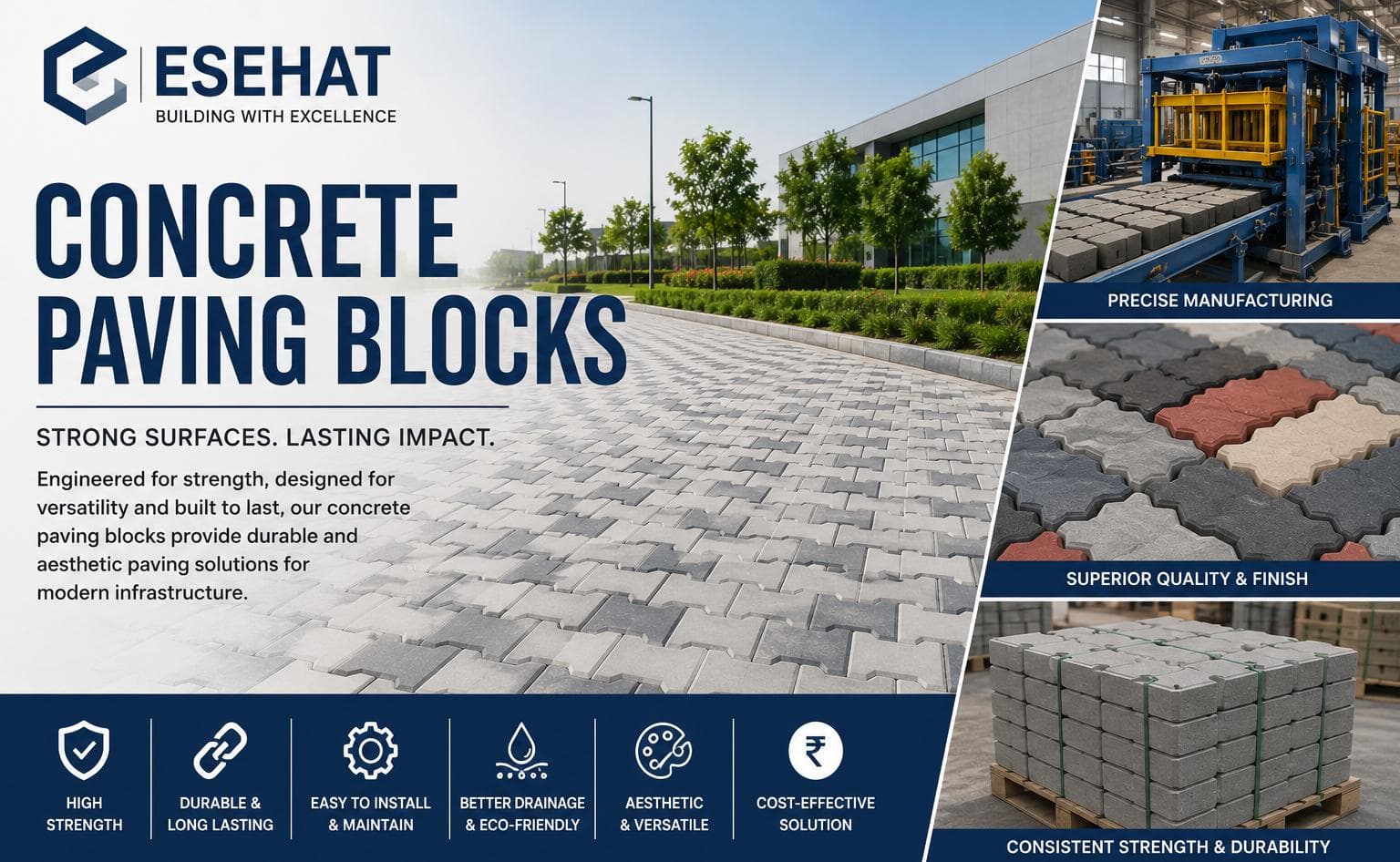
Concrete Paving Blocks
Discover the benefits of concrete paving blocks and their role in modern infrastructure. From durability and load-bearing capacity to ease of maintenance and aesthetic versatility, these paving solutions continue to support the development of safe, sustainable, and long-lasting paved surfaces.
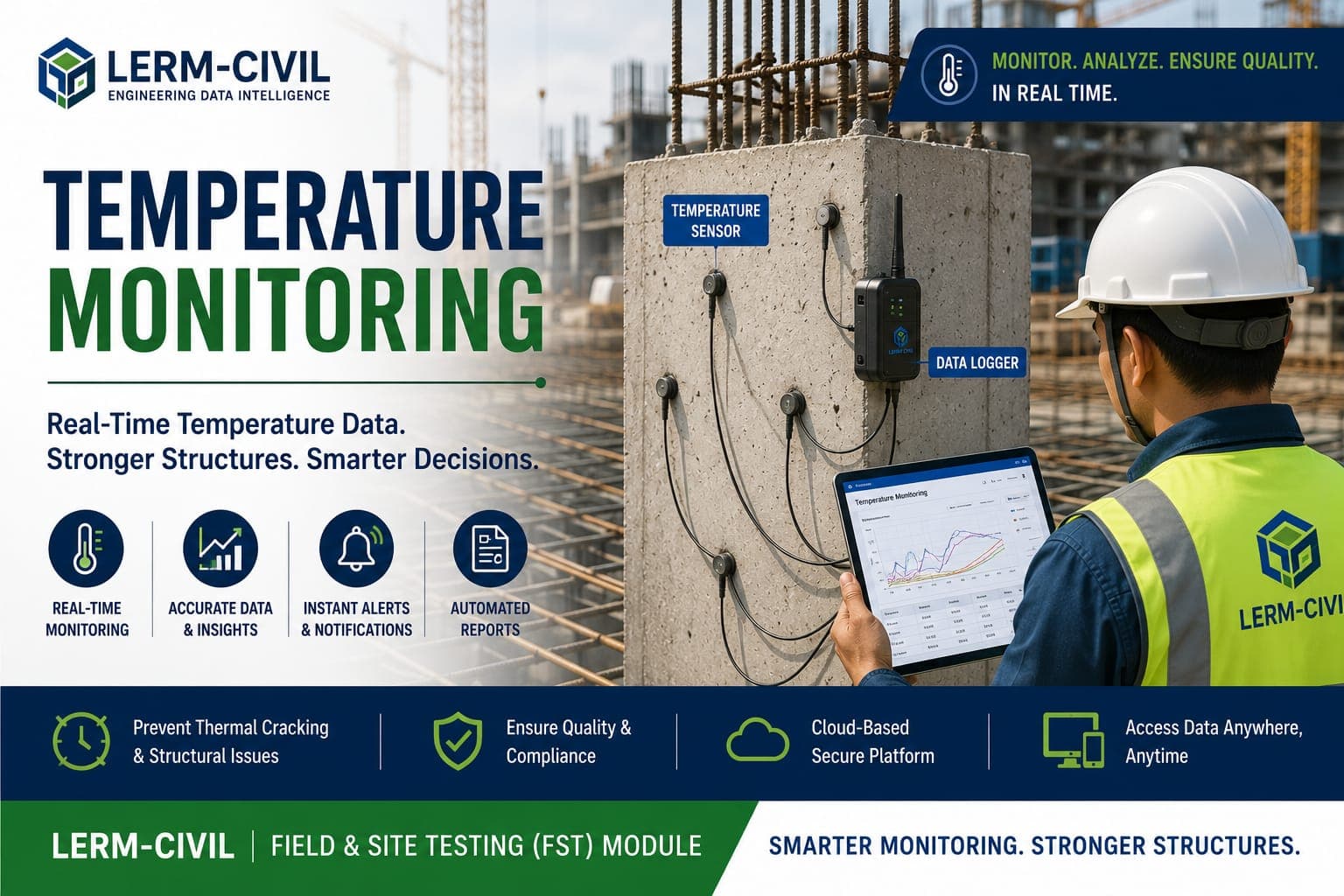
Temperature Monitoring
The LERM-CIVIL Field & Site Testing (FST) Module simplifies and automates the entire temperature monitoring process for construction and infrastructure projects. It enables real-time collection, analysis, and visualization of temperature data from multiple thermocouples, automatically calculating temperature differentials, generating trend graphs, and producing professional reports. By eliminating manual spreadsheets and calculations, the system improves data accuracy, reduces reporting time, and helps engineers monitor concrete curing, control thermal stresses, and prevent temperature-related cracking. The result is faster decision-making, enhanced quality control, and improved project performance through a single digital platform.
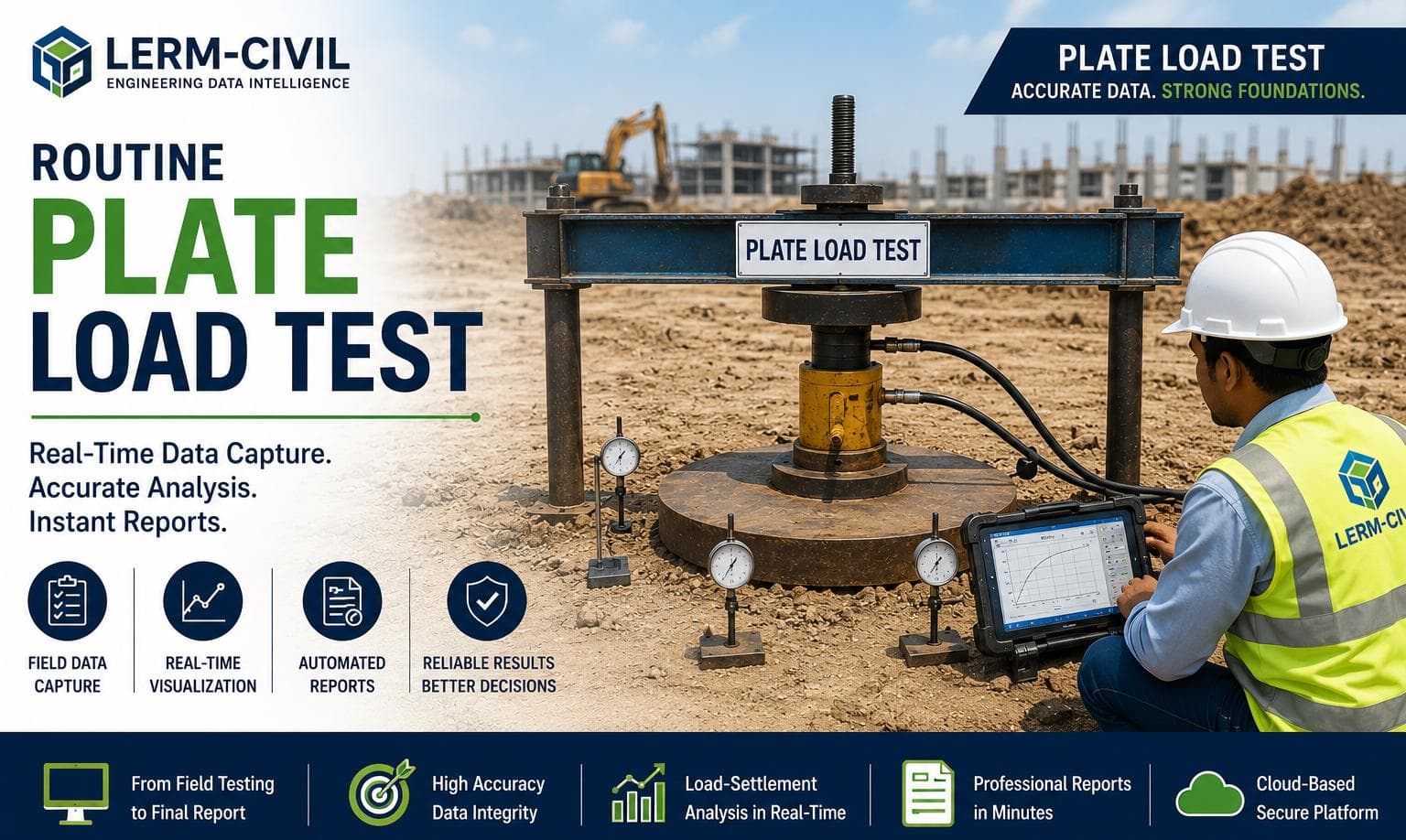
Plate Load Test
Routine Plate Load Testing is essential for determining soil bearing capacity and settlement characteristics for safe foundation design. Discover how the LERM-CIVIL Field and Site Testing (FST) Module digitizes the entire testing workflow—from real-time field data capture to automated analysis and professional report generation—enabling faster, more accurate, and more reliable engineering decisions.
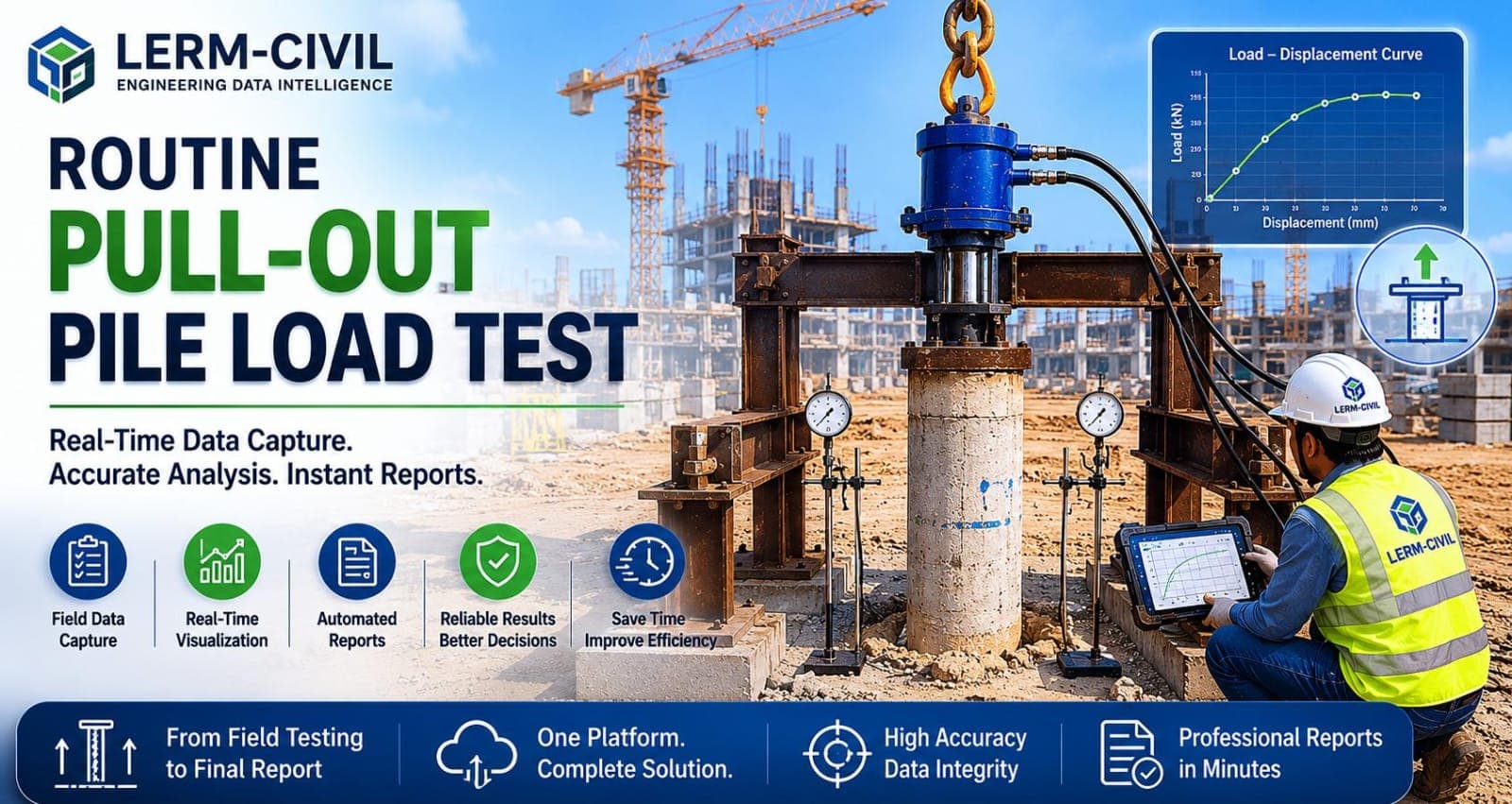
ROUTINE PULL OUT PILE LOAD TEST
Routine Pull-Out Pile Load Testing is essential for verifying a pile's resistance to uplift forces and ensuring foundation stability. Discover how the LERM-CIVIL Field and Site Testing (FST) Module digitizes the entire testing workflow—from real-time field data capture to automated analysis and professional report generation—enabling faster, more accurate, and more reliable engineering decisions.
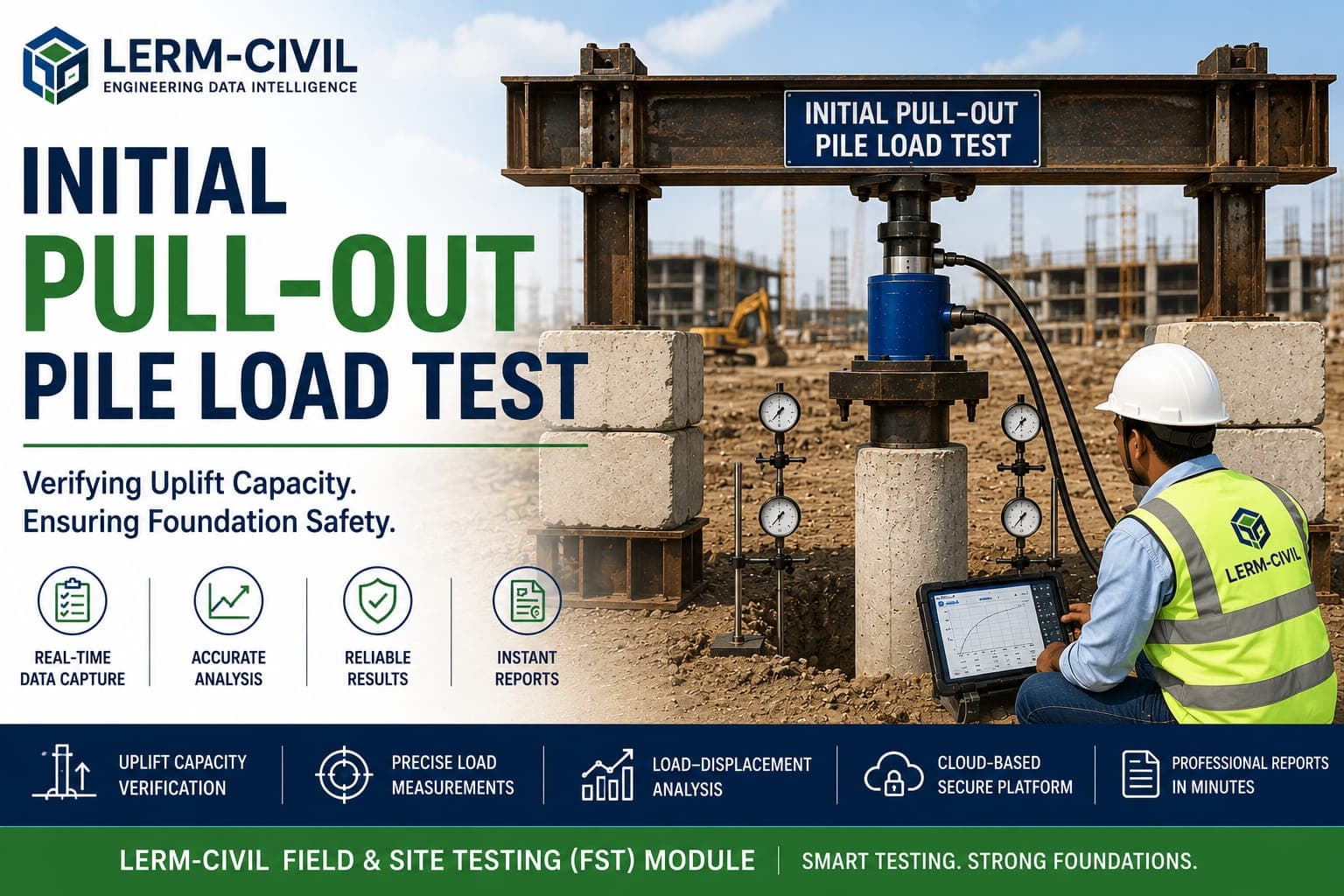
INITIAL PULL-OUT PILE LOAD TEST
LERM-CIVIL FST Module digitizes the entire Initial Pull Out Pile Load Testing process, enabling real-time data capture, analysis, and reporting. As load and displacement observations are entered, the system automatically generates calculations and load-displacement curves without manual intervention. This eliminates spreadsheet-based workflows, improves accuracy, and significantly reduces report preparation time. The platform provides centralized management of test data, standardized reporting, and faster evaluation of pile uplift performance. It helps foundation engineers make quicker and more reliable design decisions.
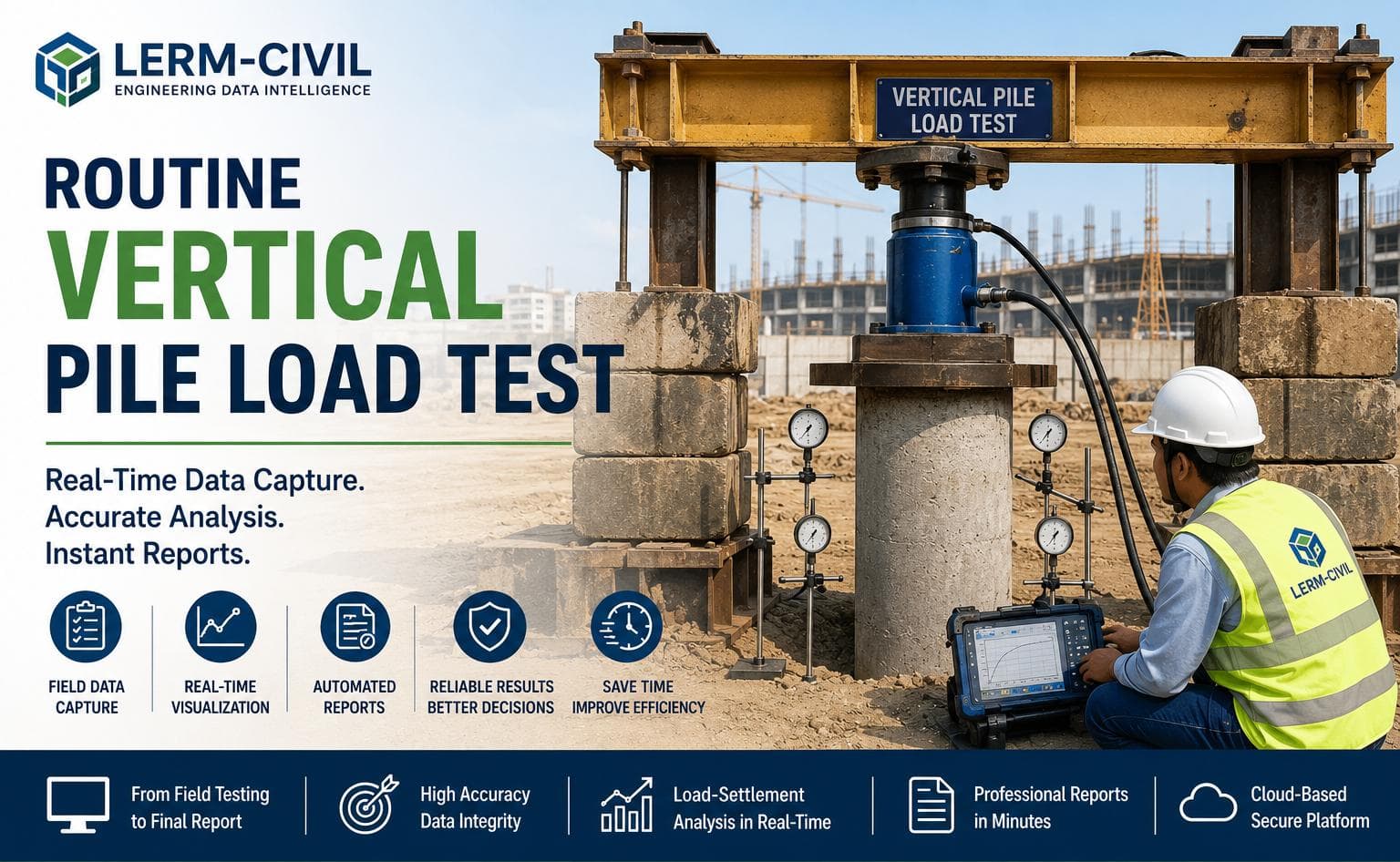
Routine Vertical Pile Load
Routine Vertical Pile Load Testing is essential for verifying a pile's load-bearing capacity and foundation performance. Discover how the LERM-CIVIL Field and Site Testing (FST) Module digitizes the entire testing workflow—from real-time field data capture to automated load-settlement analysis and professional report generation—enabling faster, more accurate, and more reliable engineering decisions.
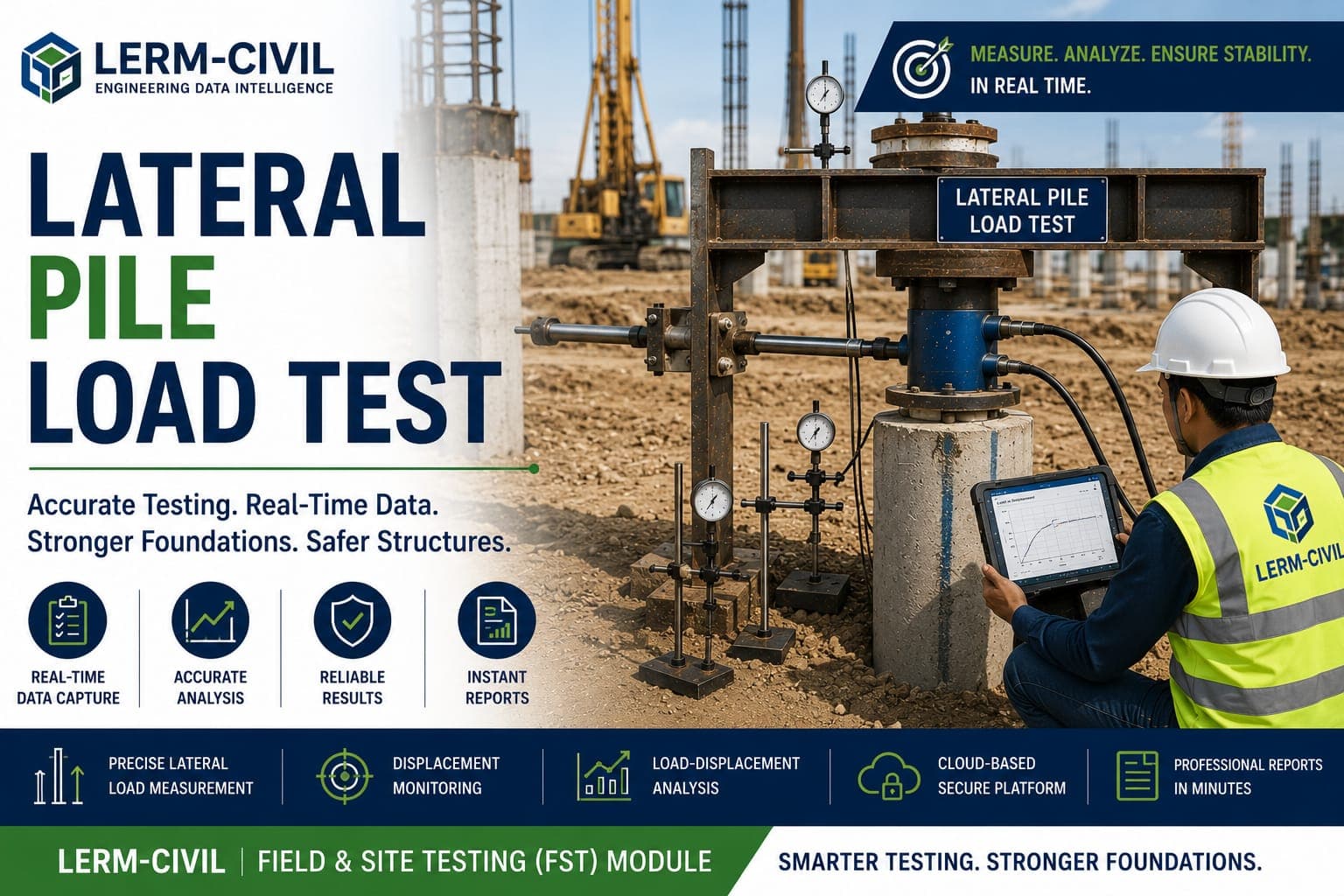
Lateral Pile Load Test
Lateral Pile Load Testing is a critical field test used to evaluate a pile's ability to withstand horizontal forces such as wind, seismic loads, earth pressure, and marine impacts. The LERM-CIVIL FST Module digitizes the entire testing workflow, from field data capture to final report generation, eliminating manual calculations, spreadsheet processing, and separate graph plotting. As load and displacement readings are entered, the system automatically calculates deflections, generates load-deflection curves, tracks pile behavior, and produces professional engineering reports in real time. This improves accuracy, reduces reporting time, and provides engineers with faster insights for foundation design, performance assessment, and decision-making.
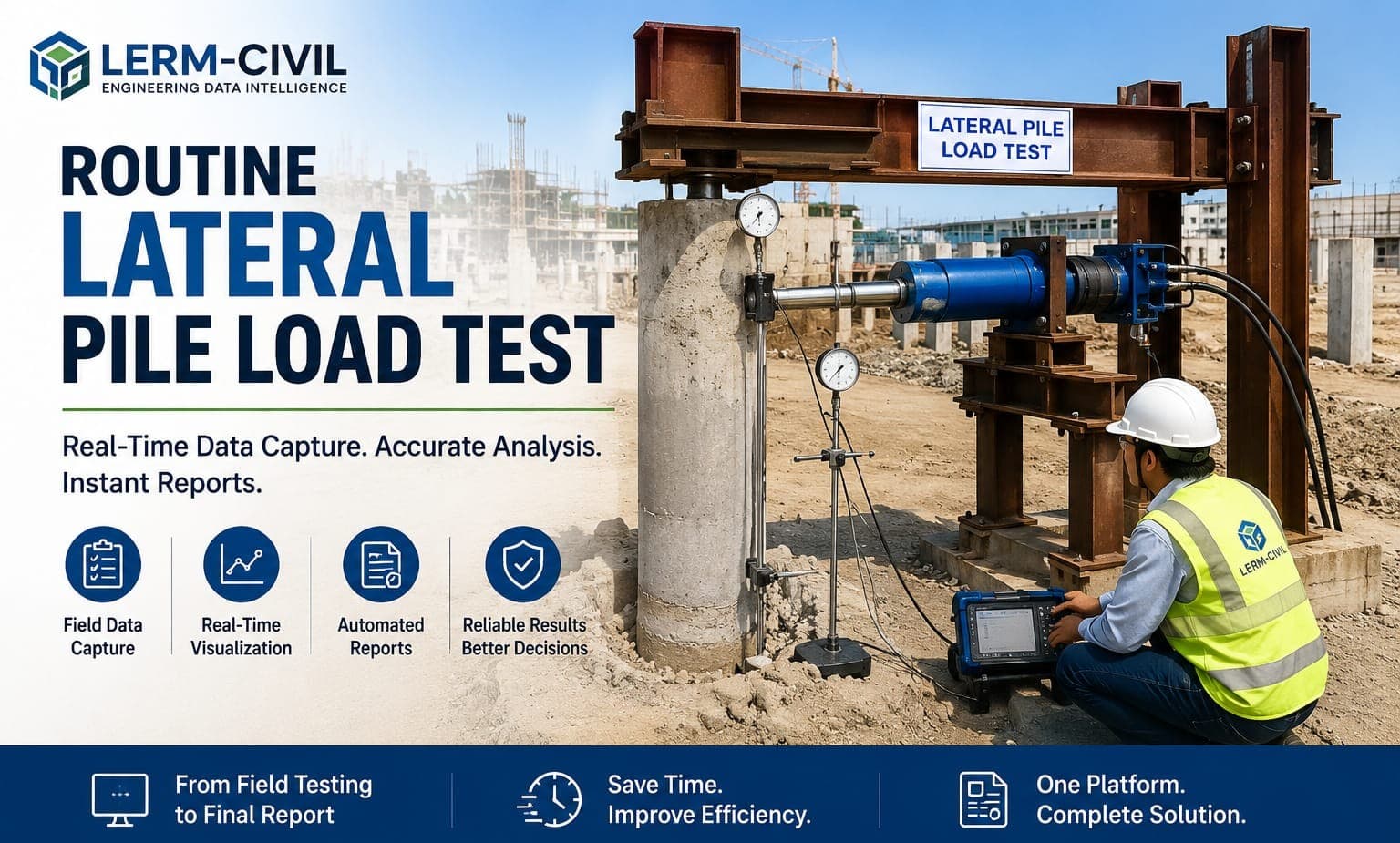
Routine Lateral Pile Load Testing
Routine Lateral Pile Load Testing is critical for evaluating a pile's ability to withstand horizontal forces and ensuring foundation stability. Discover how the LERM-CIVIL Field and Site Testing (FST) Module digitizes the entire testing workflow—from field data capture to automated load-displacement analysis and professional report generation—delivering faster, more accurate, and more reliable engineering decisions.
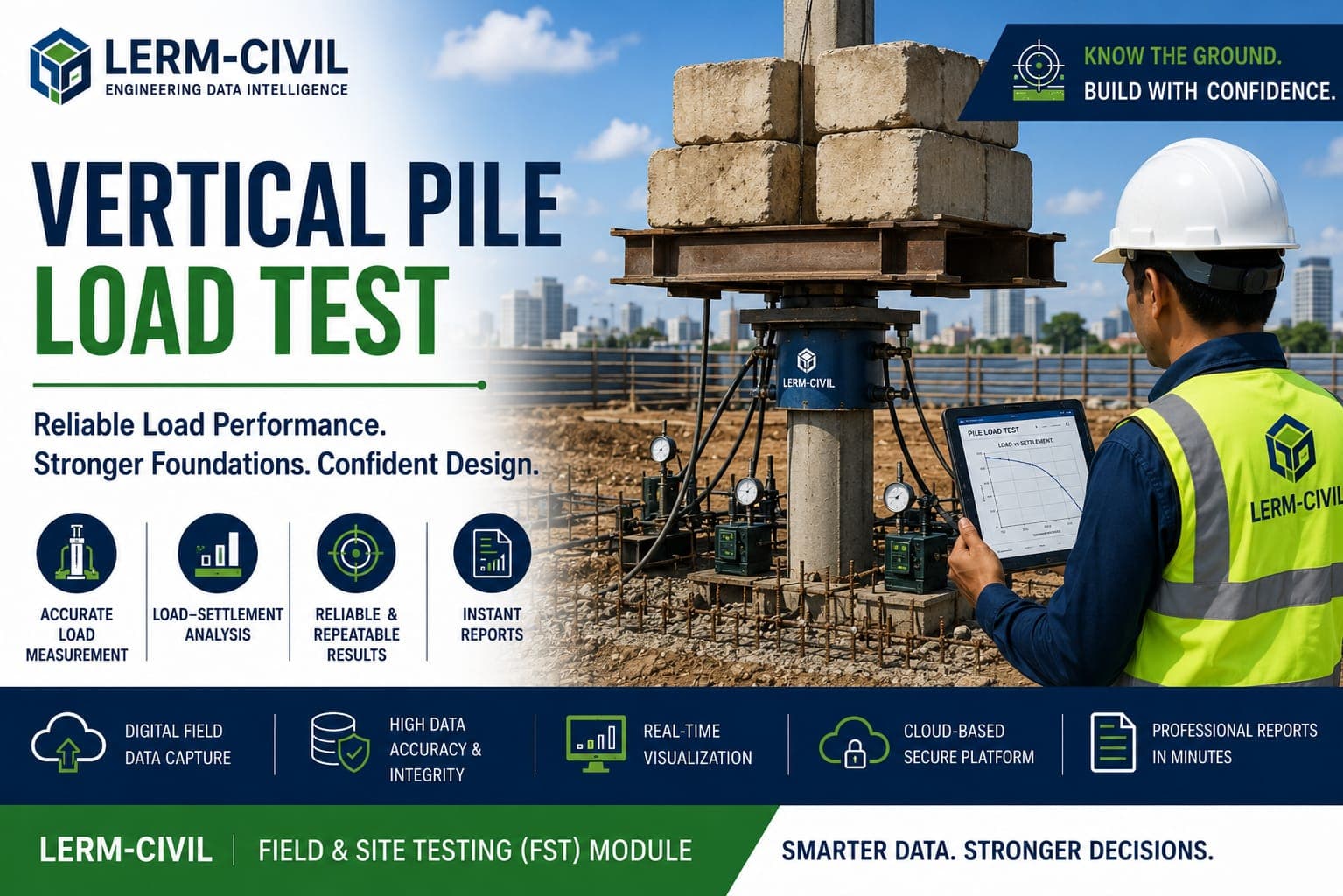
VERTICAL PILE LOAD TEST
A Vertical Pile Load Test (VPLT) is a field test conducted to determine the load-carrying capacity and settlement behavior of a pile under vertical loads. It is used to verify design assumptions, assess pile performance, and ensure foundation safety before construction proceeds. During the test, incremental loads are applied to the pile while settlement is carefully measured and recorded. The results help engineers evaluate the pile's ultimate capacity, load-settlement characteristics, and compliance with project specifications. Vertical pile load testing is widely used in building, bridge, industrial, and infrastructure projects to ensure reliable foundation performance.
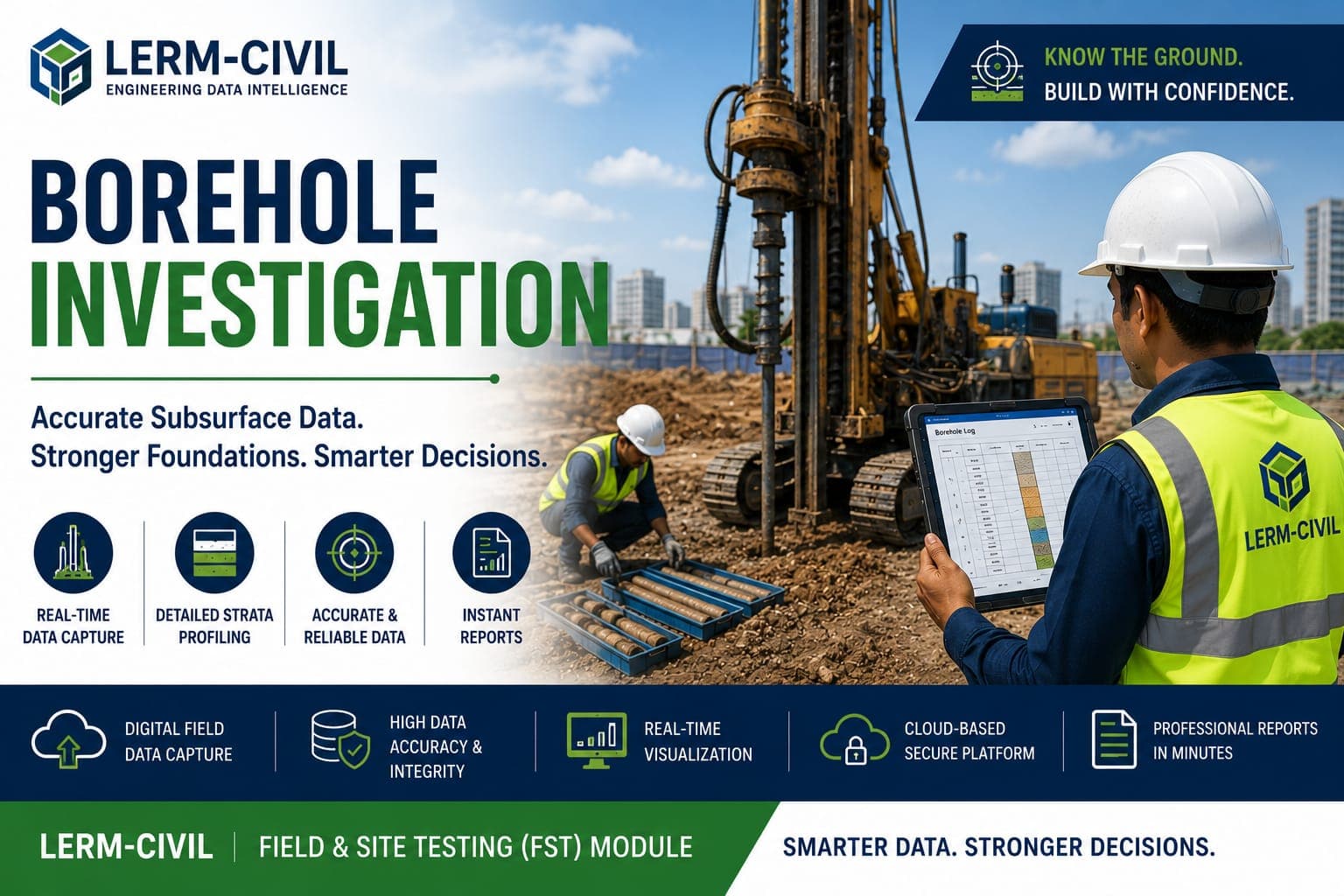
BOREHOLE
The LERM-CIVIL Field and Site Testing (FST) Module streamlines the entire borehole investigation process by integrating field data collection, laboratory testing, and report generation into a single platform. It automatically generates borehole logs, SPT summaries, soil profiles, and geological records in real time, eliminating manual data entry and reducing errors. This helps geotechnical consultants and testing laboratories significantly shorten reporting time while improving data accuracy and decision-making. As a flexible SaaS solution, it offers quick deployment and a pay-as-you-use model without large upfront costs.