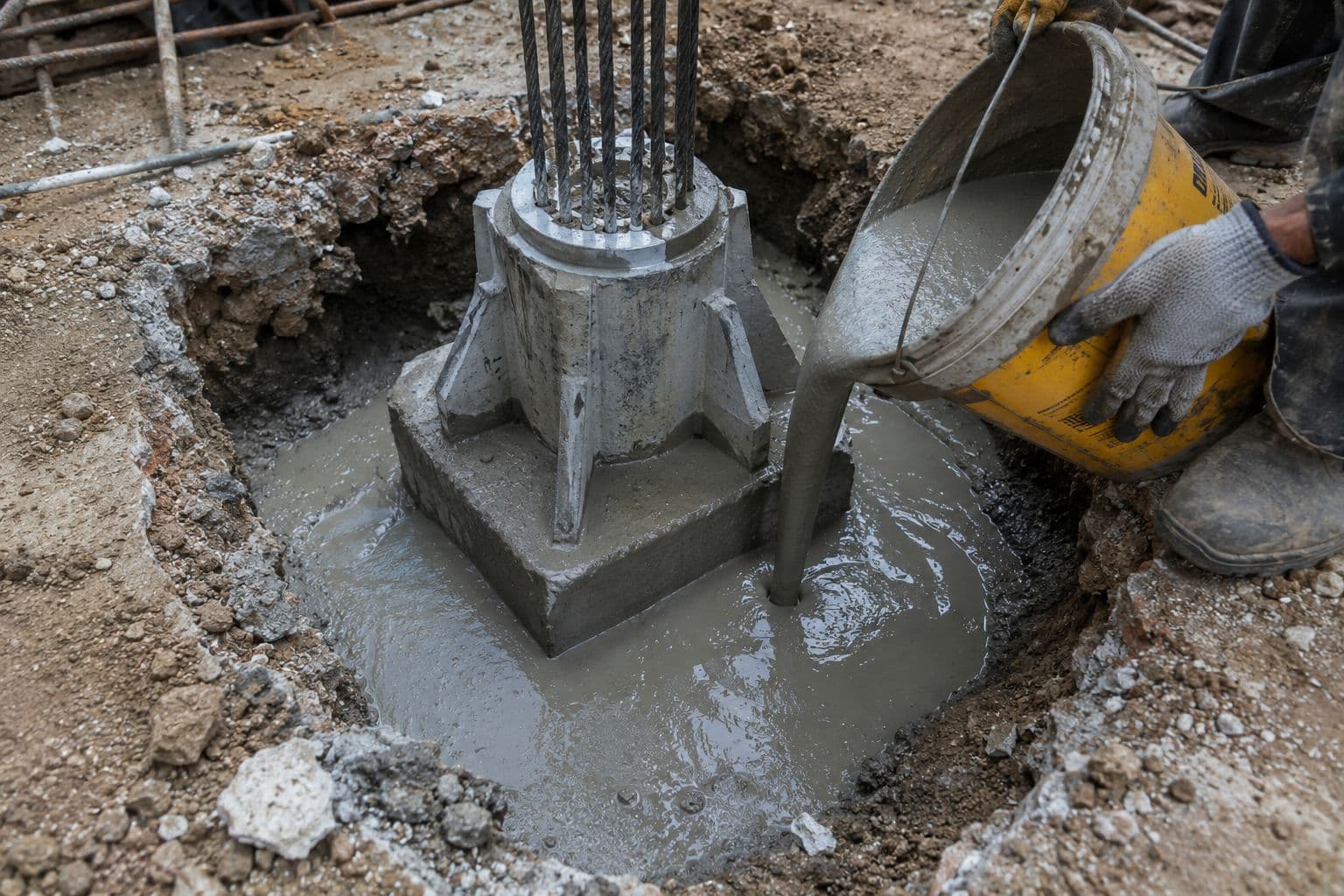
PT Grout
PT Grout plays a critical role in post-tensioning systems by helping protect prestressing steel, ensuring effective load transfer, and contributing to the long-term durability of structures. Proper testing and quality evaluation help verify performance characteristics and support compliance with project requirements.
Quality Assurance in Post-Tensioning Systems
Modern infrastructure projects increasingly rely on post-tensioning technology to achieve longer spans, improved structural efficiency, and enhanced load-carrying capacity. From bridges and flyovers to commercial buildings, parking structures, metro systems, and specialized infrastructure projects, post-tensioning has become an integral part of contemporary construction.
While significant attention is often given to tendons, anchorages, and stressing operations, the importance of PT Grout should never be underestimated. The performance of the entire post-tensioning system can be influenced by the quality of grout used within the ducts.
PT Grout serves multiple functions within a post-tensioned structure. It contributes to corrosion protection, facilitates load transfer, and helps ensure the long-term performance of prestressing components. As a result, verifying grout quality becomes an essential aspect of quality assurance during construction.
At LERM-CIVIL, PT Grout testing and evaluation services support consultants, contractors, developers, and infrastructure owners by providing reliable information regarding material quality and compliance with project specifications.
Why PT Grout Testing Matters
Post-tensioning systems are designed to perform for decades while being subjected to varying loads, environmental conditions, and operational demands.
Any shortcomings in grout performance can affect the effectiveness of tendon protection and potentially influence long-term durability. Because tendons are often concealed within the structure after construction, identifying issues later can be difficult, costly, and disruptive.
For this reason, project stakeholders place significant emphasis on ensuring that grout materials satisfy specified requirements before being incorporated into the permanent works.
Testing helps verify critical performance characteristics and provides confidence that the material is suitable for its intended application.
More importantly, it supports proactive quality control measures that help reduce uncertainty during construction.
LERM-CIVIL’s Approach to PT Grout Evaluation
LERM-CIVIL provides testing and quality evaluation services designed to assess the performance characteristics of PT Grout used in post-tensioning applications.
The testing process typically involves sample documentation, laboratory evaluation, observation recording, data analysis, and reporting. This structured approach helps ensure consistency and traceability throughout the evaluation process.
By generating reliable laboratory data, LERM supports project stakeholders in making informed decisions regarding material acceptance, compliance, and quality control.
The objective extends beyond meeting specification requirements and focuses on contributing to long-term structural performance and durability.
Key Parameters Evaluated During PT Grout Testing
The effectiveness of PT Grout depends on several properties that influence both construction performance and long-term serviceability.
Flowability
Flowability is one of the most important characteristics evaluated during PT Grout testing.
The grout must be capable of flowing effectively through ducts and surrounding prestressing tendons to ensure proper filling and coverage.
Testing helps assess the material’s ability to achieve the required level of workability under specified conditions.
Compressive Strength
Strength development remains an important indicator of grout performance.
Evaluating compressive strength helps determine whether the grout can contribute effectively to the intended structural and durability requirements of the post-tensioning system.
Bleeding Characteristics
Excessive bleeding can affect grout performance and potentially create undesirable conditions within the tendon duct.
Testing helps assess the material’s stability and suitability for use in post-tensioning applications.
Volume Stability
Volume stability is another critical parameter that influences long-term performance.
Evaluation helps determine whether the material exhibits acceptable behavior after placement and curing.
Material Consistency
Consistency-related assessments help ensure that grout properties remain within acceptable limits and perform as expected during application.
Together, these parameters provide a comprehensive understanding of grout quality and suitability.
Supporting Durability and Long-Term Structural Performance
The lifespan of post-tensioned structures depends on multiple factors, including design, construction quality, environmental conditions, and material performance.
PT Grout contributes significantly to the protection and durability of prestressing systems. Therefore, ensuring that the grout meets quality requirements is an important part of achieving long-term reliability.
Testing allows project teams to identify potential concerns before construction progresses and helps establish confidence in the completed system.
This approach aligns with modern quality assurance practices where prevention is often more effective than remediation.
Supporting Consultants, Contractors, and Infrastructure Developers
Different stakeholders rely on testing data to achieve different project objectives.
Consultants use evaluation results to support technical reviews and compliance verification.
Contractors depend on reliable laboratory data to maintain quality control and demonstrate adherence to project specifications.
Developers and infrastructure owners benefit from increased confidence regarding the durability and performance of critical structural systems.
LERM-CIVIL supports these stakeholders through professional testing services and comprehensive reporting that contribute to informed decision-making throughout project execution.
Independent Verification and Quality Assurance
As infrastructure projects continue to become larger and more technically demanding, independent testing has become increasingly important.
Third-party evaluation helps:
* Verify compliance with specifications
* Strengthen quality assurance programs
* Improve project documentation
* Reduce material-related risks
* Support regulatory requirements
* Enhance stakeholder confidence
Independent verification provides an objective assessment of material quality and contributes to greater transparency throughout the project lifecycle.
LERM-CIVIL’s Commitment to Construction Excellence
Quality assurance is most effective when it is incorporated into every stage of project execution.
Through systematic testing, professional evaluation, and detailed reporting, LERM-CIVIL supports stakeholders in maintaining high standards of quality across infrastructure and construction projects.
The focus remains on providing accurate and dependable information that helps project teams verify material suitability, strengthen compliance efforts, and support long-term structural performance.
By contributing to effective quality management practices, LERM helps deliver safer and more durable engineering solutions.
Conclusion
PT Grout plays a vital role in the performance and durability of post-tensioning systems. Ensuring that grout materials meet specified requirements is essential for supporting tendon protection, structural reliability, and long-term serviceability.
Through comprehensive testing and independent evaluation, LERM-CIVIL helps consultants, contractors, and project owners strengthen quality assurance programs, verify compliance, and improve confidence in project outcomes. Reliable testing remains a critical component in achieving durable and high-performing post-tensioned structures.
Related Posts
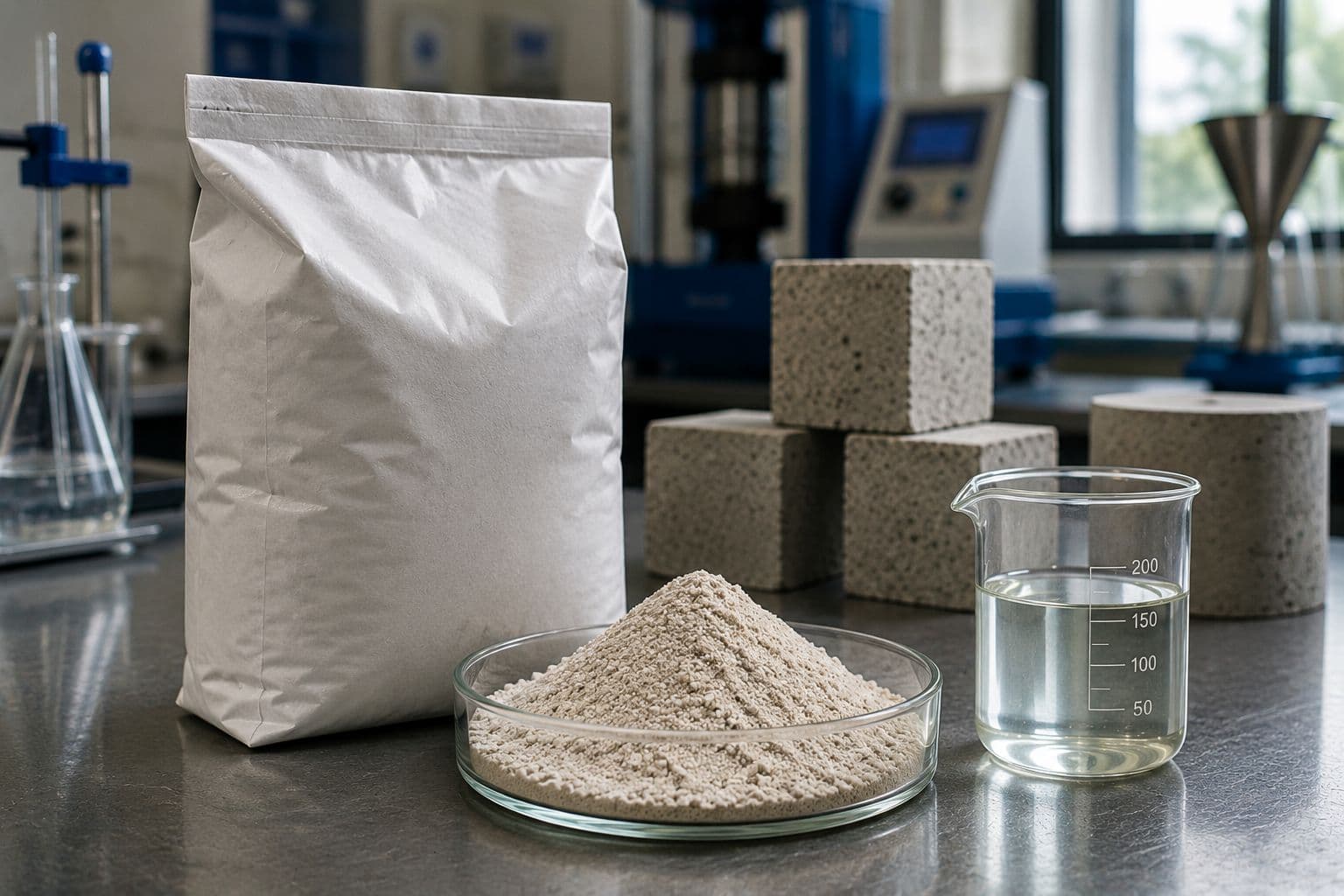
Cebex 100
Cebex 100 is widely used in construction applications where material performance, consistency, and compliance with project requirements are critical. LERM-CIVIL provides laboratory testing services to verify key quality parameters, helping consultants, contractors, and project stakeholders maintain confidence in material acceptance and project execution.
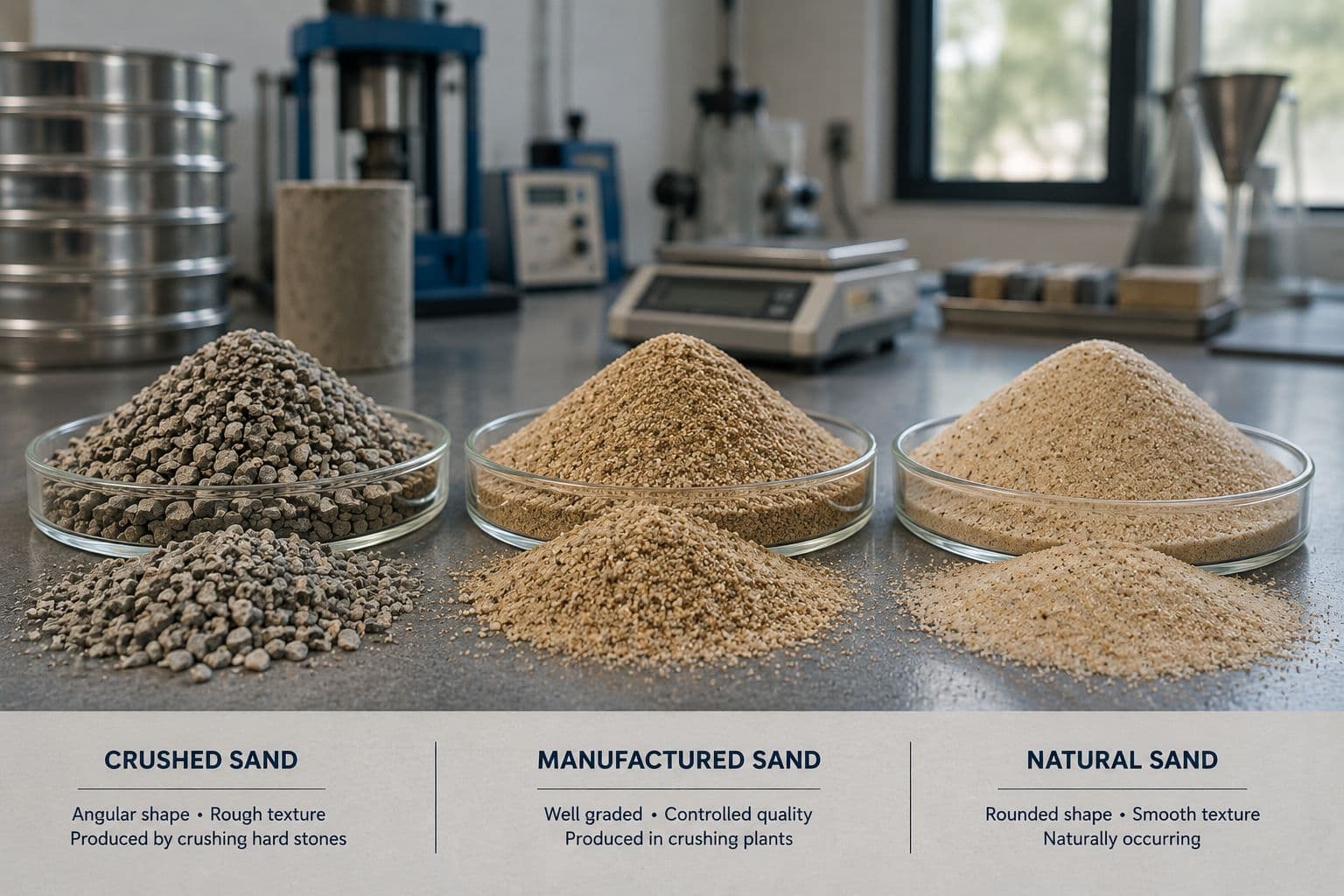
Crushed Sand / Natural Sand / Manufactured Sand
Selecting the right sand for construction projects requires more than visual inspection and supplier documentation. LERM-CIVIL provides specialized testing services for crushed sand, natural sand, and manufactured sand, helping project stakeholders verify material quality, define testing requirements, and support informed construction decisions.

Bipolar Test
Bipolar compounds used in infrastructure and industrial applications must meet strict quality and performance requirements before deployment. LERM-CIVIL provides comprehensive laboratory testing services to evaluate critical physical and chemical characteristics, helping clients verify compliance, maintain quality standards, and support safe application.