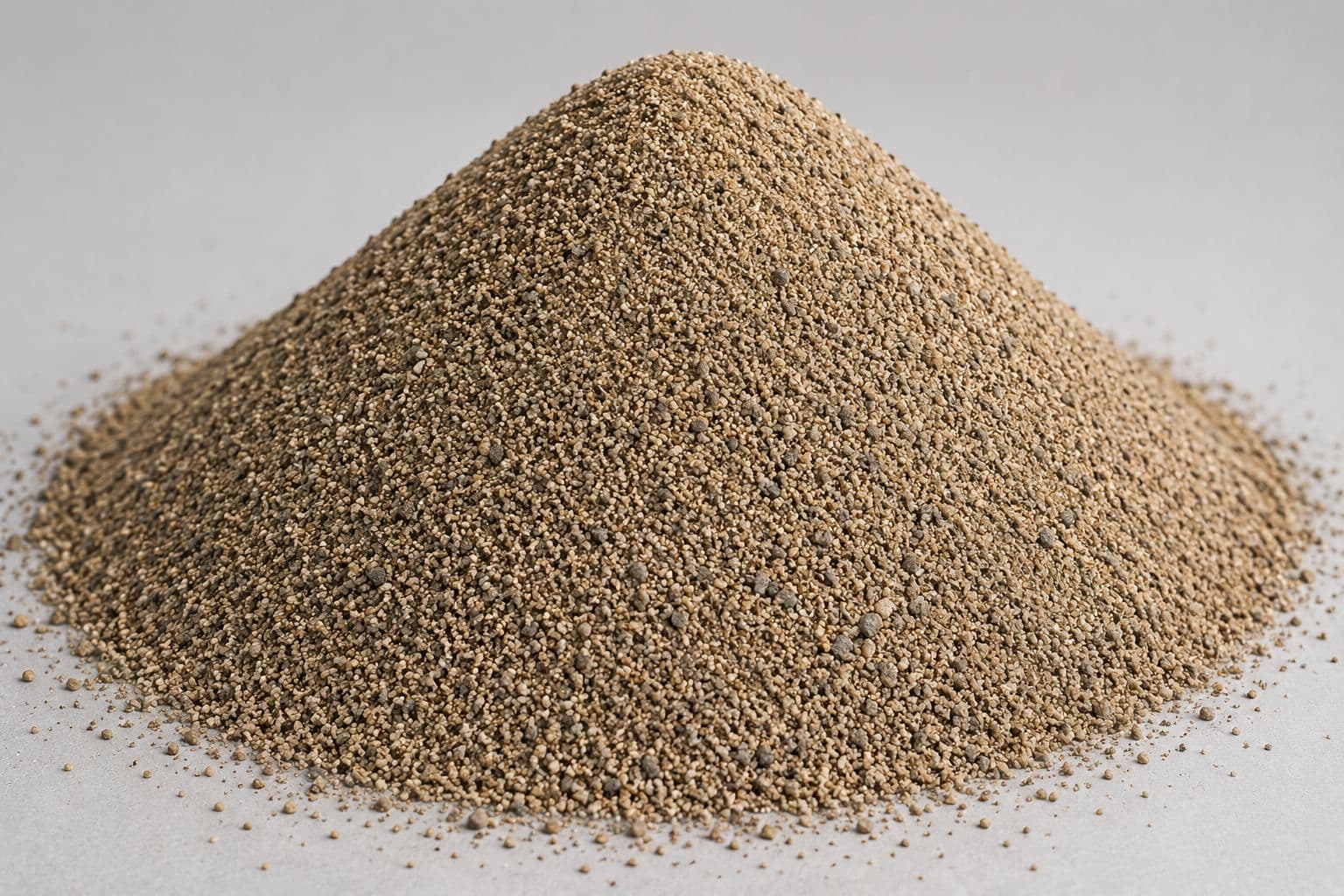
Fine Aggregate
Chemical properties of fine aggregates can significantly influence the durability and long-term performance of concrete structures. LERM-CIVIL provides comprehensive chemical testing services to evaluate aggregate quality, verify compliance with applicable standards, and support informed material selection for construction and infrastructure projects.
Ensuring the Chemical Quality of Fine Aggregates
Fine aggregates are an essential component of concrete, mortar, and other construction materials. While physical properties such as grading and particle size are commonly evaluated, chemical characteristics can also play a critical role in determining the suitability of aggregates for construction applications.
Undesirable chemical constituents may affect concrete durability, influence cement hydration processes, contribute to deterioration mechanisms, or impact long-term structural performance. As infrastructure projects continue to demand greater durability and service life, chemical evaluation of fine aggregates has become an important component of quality assurance programs.
At LERM-CIVIL, chemical testing of fine aggregates helps consultants, contractors, developers, material suppliers, and infrastructure agencies verify compliance with specifications and gain confidence in material quality before use in construction activities.
Sample Registration and Documentation Process
Every testing program begins with proper sample registration and documentation.
Upon receipt, samples are recorded within LERM-CIVIL’s laboratory management system, where critical information such as material type, sample condition, quantity received, testing scope, laboratory allocation, and client requirements are documented.
This process helps establish complete traceability throughout the testing cycle and ensures that samples can be monitored from receipt through final reporting.
Proper documentation also supports quality management procedures and contributes to reliable and transparent testing operations.

Chemical Testing Parameters Evaluated by LERM-CIVIL
Depending on project requirements and applicable standards, chemical evaluation of fine aggregates may include a range of parameters that help assess material quality and suitability for use in construction applications.
pH at 25°C
The pH value provides information regarding the acidity or alkalinity of the material environment.
Monitoring pH characteristics helps support quality assessments and contributes to understanding potential interactions within construction materials.
Chloride Content
Excessive chloride content can be a concern in reinforced concrete structures because chlorides may contribute to reinforcement corrosion under certain conditions.
Testing helps determine compliance with specified limits and supports durability-related evaluations.
Sulphate Content
Sulphates can influence concrete performance and durability when present in excessive quantities.
Evaluation of sulphate content helps project stakeholders assess compliance and identify potential durability concerns.
Dissolved Silica
Assessment of dissolved silica may be carried out to support material characterization and evaluate specific project requirements.
Understanding chemical composition contributes to more informed material selection and quality assurance processes.
Sodium Oxide (Na₂O)
Sodium oxide content is evaluated as part of chemical characterization and compliance verification procedures.
The resulting information helps project teams understand material properties and maintain quality standards.
Potassium Oxide (K₂O)
Potassium oxide assessment forms part of comprehensive chemical analysis programs conducted for aggregate evaluation.
Testing supports quality control activities and contributes to a broader understanding of material composition.
Total Alkali Content
Total alkali content is an important parameter considered during chemical evaluation.
Determining alkali levels helps support specification compliance and provides additional information regarding aggregate suitability.

Why Chemical Evaluation Matters
Modern construction projects are designed with increasingly demanding performance expectations. Materials used in concrete and infrastructure applications must satisfy strict quality requirements to ensure long-term reliability and durability.
Chemical testing provides project stakeholders with valuable information regarding material composition and potential compliance concerns before materials are incorporated into construction works.
This proactive approach helps:
* Strengthen quality assurance programs
* Support material approval procedures
* Verify compliance with specifications
* Reduce project risks
* Improve confidence in material selection
* Enhance documentation and traceability
By identifying potential concerns early, project teams can make informed decisions that contribute to successful project outcomes.
Supporting Consultants, Contractors, and Project Owners
Reliable laboratory data plays an important role throughout the construction process.
Consultants use testing results to support technical reviews and compliance verification activities.
Contractors rely on verified information when managing material approvals and quality control programs.
Project owners and infrastructure agencies benefit from increased confidence regarding the suitability of materials used within their projects.
LERM-CIVIL supports these stakeholders through systematic testing procedures, professional evaluation, and detailed reporting that facilitate informed decision-making.
Quality Assurance Through NABL Scope Testing
Testing performed under established laboratory quality systems provides an additional level of confidence in reported results.
LERM-CIVIL’s testing procedures are designed to support consistency, traceability, and technical reliability throughout the evaluation process.
By following structured testing methodologies and maintaining comprehensive documentation practices, the laboratory helps ensure that testing results can support project quality objectives and compliance requirements.
Conclusion
Chemical testing of fine aggregates represents an important component of modern construction quality assurance. Evaluating parameters such as pH, chloride content, sulphate content, dissolved silica, sodium oxide, potassium oxide, and total alkali content helps project stakeholders better understand material characteristics and verify compliance with project specifications.
Through systematic sample registration, laboratory evaluation, and professional reporting, LERM-CIVIL supports consultants, contractors, and infrastructure owners in maintaining quality standards and making informed material decisions. Reliable chemical testing remains an essential step in achieving durable and high-performing construction outcomes.
Related Posts
Cebex 100
Cebex 100 is widely used in construction applications where material performance, consistency, and compliance with project requirements are critical. LERM-CIVIL provides laboratory testing services to verify key quality parameters, helping consultants, contractors, and project stakeholders maintain confidence in material acceptance and project execution.
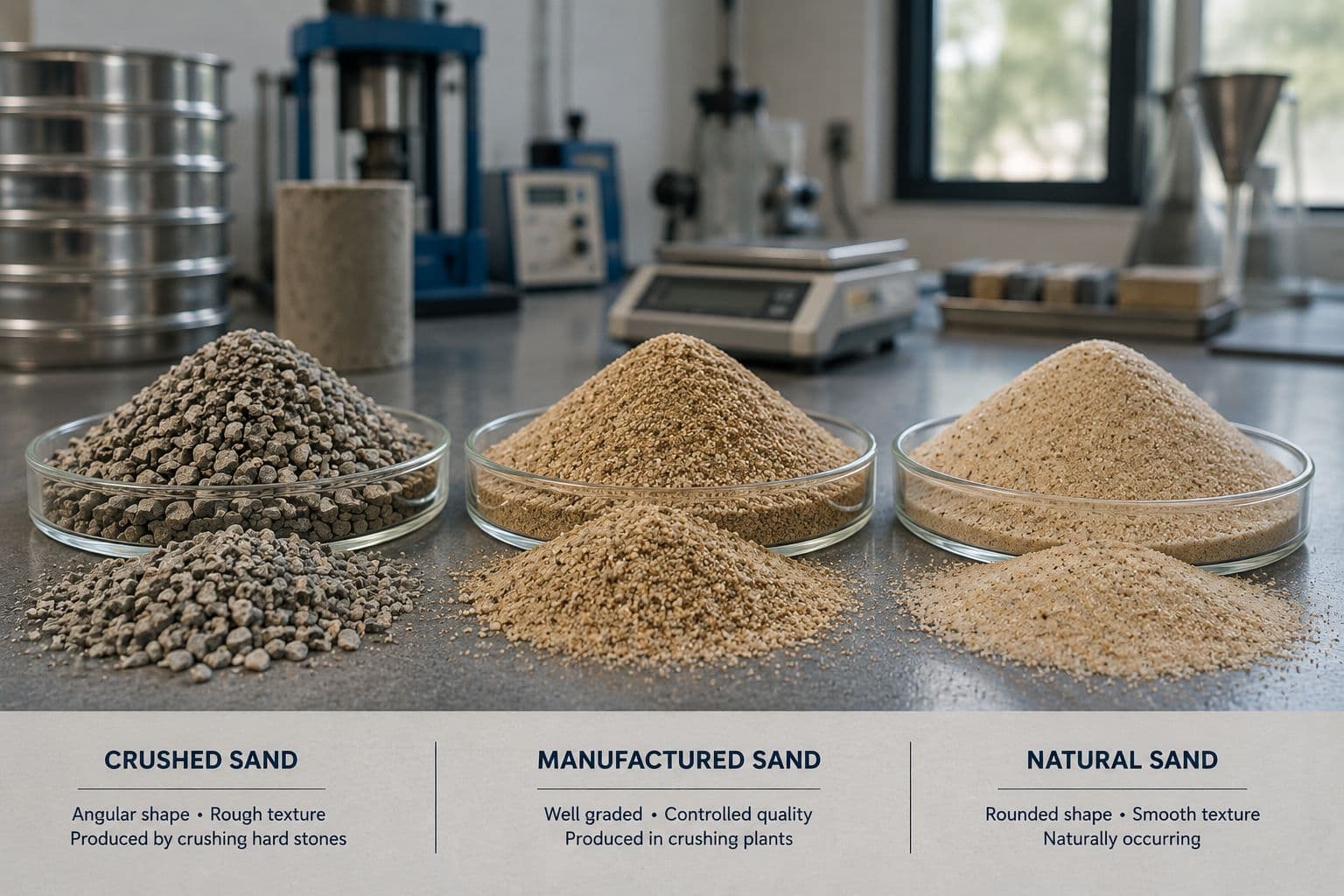
Crushed Sand / Natural Sand / Manufactured Sand
Selecting the right sand for construction projects requires more than visual inspection and supplier documentation. LERM-CIVIL provides specialized testing services for crushed sand, natural sand, and manufactured sand, helping project stakeholders verify material quality, define testing requirements, and support informed construction decisions.

Bipolar Test
Bipolar compounds used in infrastructure and industrial applications must meet strict quality and performance requirements before deployment. LERM-CIVIL provides comprehensive laboratory testing services to evaluate critical physical and chemical characteristics, helping clients verify compliance, maintain quality standards, and support safe application.