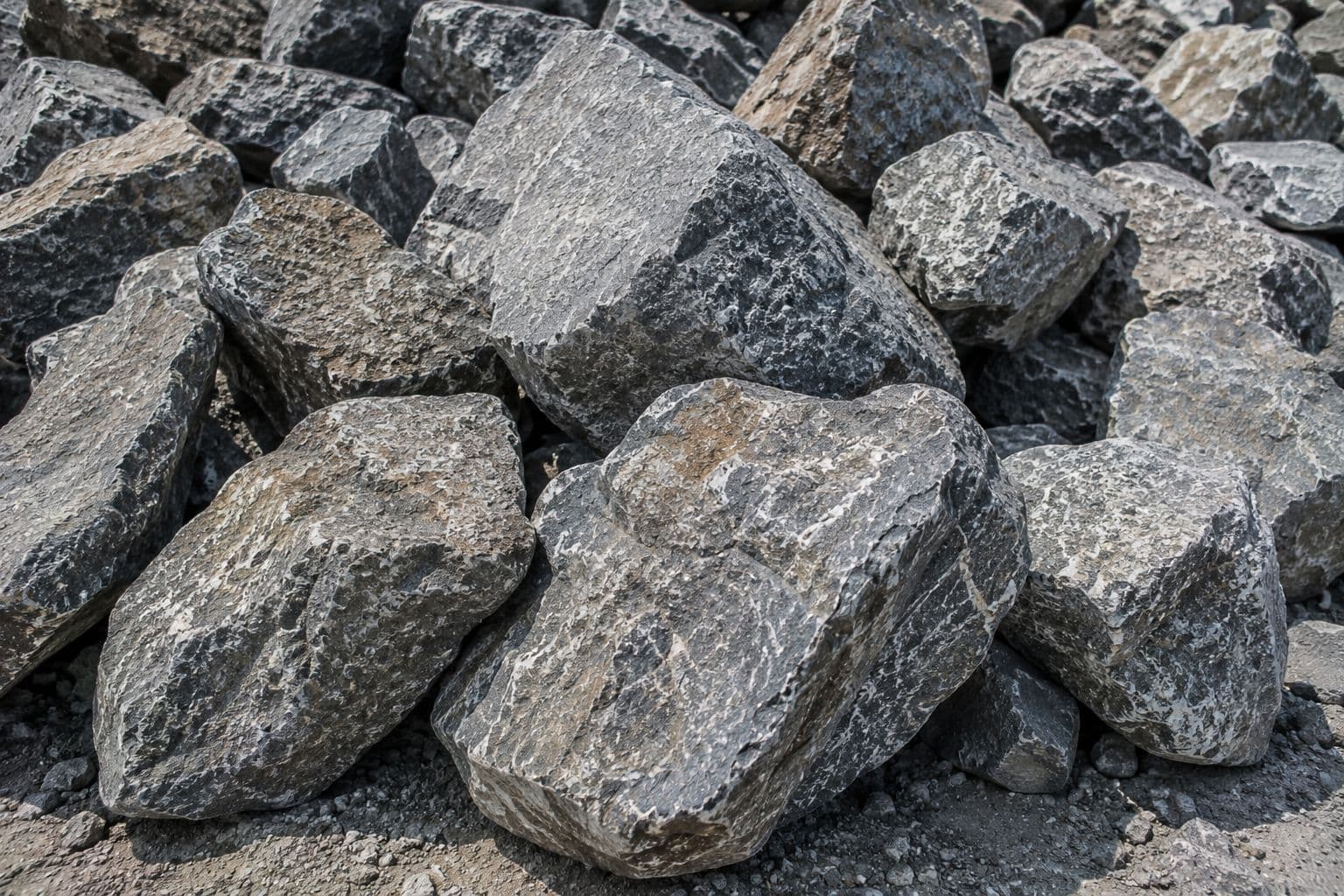
Rock
Rock properties play a critical role in geotechnical investigations, infrastructure development, tunneling, mining, slope stability assessments, and foundation design. Comprehensive testing and evaluation help project stakeholders understand rock behavior, verify engineering suitability, and support safe and informed construction decisions.
Understanding Ground Conditions Before Construction Begins
Every successful infrastructure project begins with a clear understanding of site conditions. While significant attention is often given to structural design, materials, and construction methodologies, the ground supporting a project ultimately determines whether those efforts will perform as intended.
In many projects, rock formations serve as the foundation upon which critical infrastructure is built. Bridges, tunnels, dams, retaining systems, metro corridors, industrial facilities, and transportation networks often interact directly with rock masses during construction and throughout their operational life.
However, rock should never be treated as a uniform material. Geological history, weathering, fractures, mineral composition, groundwater conditions, and site-specific characteristics can all influence engineering performance.
For this reason, rock testing forms an important part of geotechnical investigations and quality assurance programs. Understanding the characteristics of rock before construction begins helps engineers reduce uncertainty and make more informed decisions regarding design, excavation, support systems, and long-term performance.
At LERM-CIVIL, rock testing and evaluation services help consultants, contractors, developers, and infrastructure agencies obtain reliable information regarding rock properties and engineering suitability.
Why Rock Testing Is Critical for Infrastructure Projects
Unlike manufactured construction materials, rock formations develop naturally over thousands or even millions of years.
As a result, significant variations can exist even within the same project site.
Two rock samples collected only a short distance apart may exhibit different characteristics that influence engineering behavior.
Without proper evaluation, these variations can affect:
* Foundation performance
* Excavation planning
* Slope stability
* Tunnel design
* Bearing capacity assessments
* Structural safety
* Long-term project performance
Testing helps project stakeholders better understand these conditions before major construction activities begin.
This reduces risk and supports more reliable project planning.
LERM-CIVIL’s Approach to Rock Evaluation
LERM-CIVIL provides comprehensive rock testing and evaluation services designed to support geotechnical investigations and infrastructure development projects.
The testing process typically includes:
* Sample identification and logging
* Laboratory examination
* Physical property evaluation
* Strength assessment
* Data analysis
* Technical reporting
This systematic approach helps generate dependable information regarding rock behavior and engineering suitability.
The resulting data supports consultants, geotechnical engineers, contractors, and project owners throughout planning, design, and construction activities.
Key Parameters Evaluated During Rock Testing
Rock behavior depends on multiple physical and mechanical characteristics.
Testing programs may evaluate:
Strength Characteristics
Understanding rock strength is essential when assessing its ability to support loads, withstand excavation activities, and perform as part of a foundation system.
Durability Assessment
Rock formations are frequently exposed to environmental conditions that may influence long-term performance.
Durability-related evaluations help provide insight into potential weathering and degradation behavior.
Physical Properties
Physical property assessments contribute to a broader understanding of material characteristics and engineering suitability.
Geological Condition Evaluation
Geological observations and laboratory assessments help identify features that may influence construction decisions and long-term project performance.
Supporting Geotechnical Engineering Decisions
Geotechnical investigations provide the foundation for many engineering decisions.
Accurate information regarding rock properties can influence:
* Foundation selection
* Excavation methods
* Support system design
* Construction sequencing
* Risk management strategies
By providing reliable testing data, LERM-CIVIL helps stakeholders make informed decisions that contribute to safer and more efficient project execution.
Independent Testing and Quality Assurance
As infrastructure projects become increasingly complex, independent testing plays a vital role in reducing uncertainty and supporting quality assurance objectives.
Third-party evaluation helps:
* Verify engineering assumptions
* Improve project documentation
* Strengthen investigation programs
* Support regulatory compliance
* Reduce geotechnical risks
* Enhance stakeholder confidence
Reliable testing data allows project teams to base decisions on verified information rather than assumptions.
Conclusion
Rock formations form the foundation of many infrastructure and construction projects, making proper evaluation essential for successful project delivery. Through comprehensive testing and analysis, project stakeholders can better understand ground conditions, verify engineering suitability, and reduce uncertainty during planning and construction.
LERM-CIVIL supports these objectives through professional rock testing services that provide reliable information for geotechnical investigations, infrastructure development, and quality assurance programs. Accurate testing remains an important part of building safer, more durable, and more reliable engineering projects.
Related Posts
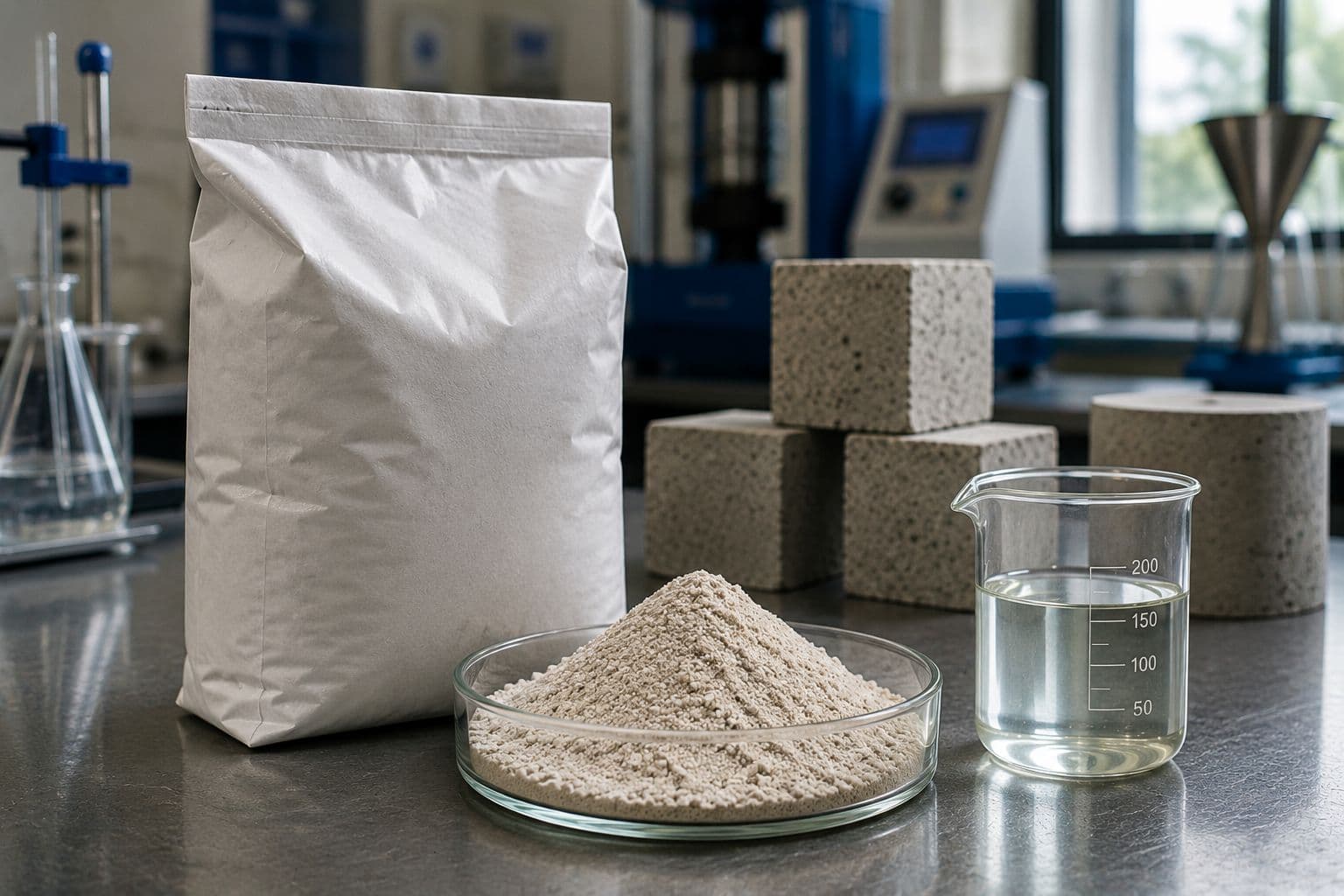
Cebex 100
Cebex 100 is widely used in construction applications where material performance, consistency, and compliance with project requirements are critical. LERM-CIVIL provides laboratory testing services to verify key quality parameters, helping consultants, contractors, and project stakeholders maintain confidence in material acceptance and project execution.
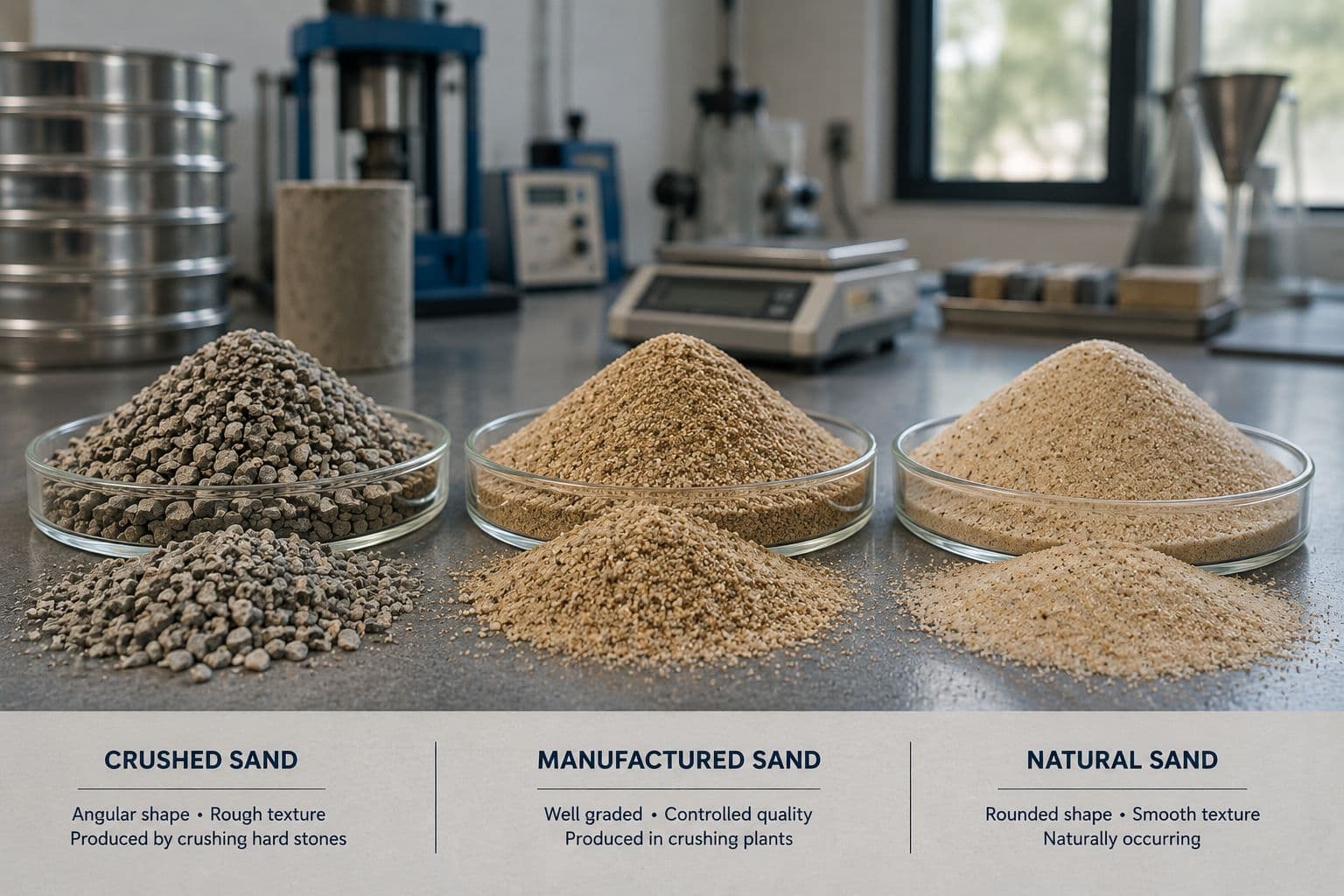
Crushed Sand / Natural Sand / Manufactured Sand
Selecting the right sand for construction projects requires more than visual inspection and supplier documentation. LERM-CIVIL provides specialized testing services for crushed sand, natural sand, and manufactured sand, helping project stakeholders verify material quality, define testing requirements, and support informed construction decisions.

Bipolar Test
Bipolar compounds used in infrastructure and industrial applications must meet strict quality and performance requirements before deployment. LERM-CIVIL provides comprehensive laboratory testing services to evaluate critical physical and chemical characteristics, helping clients verify compliance, maintain quality standards, and support safe application.