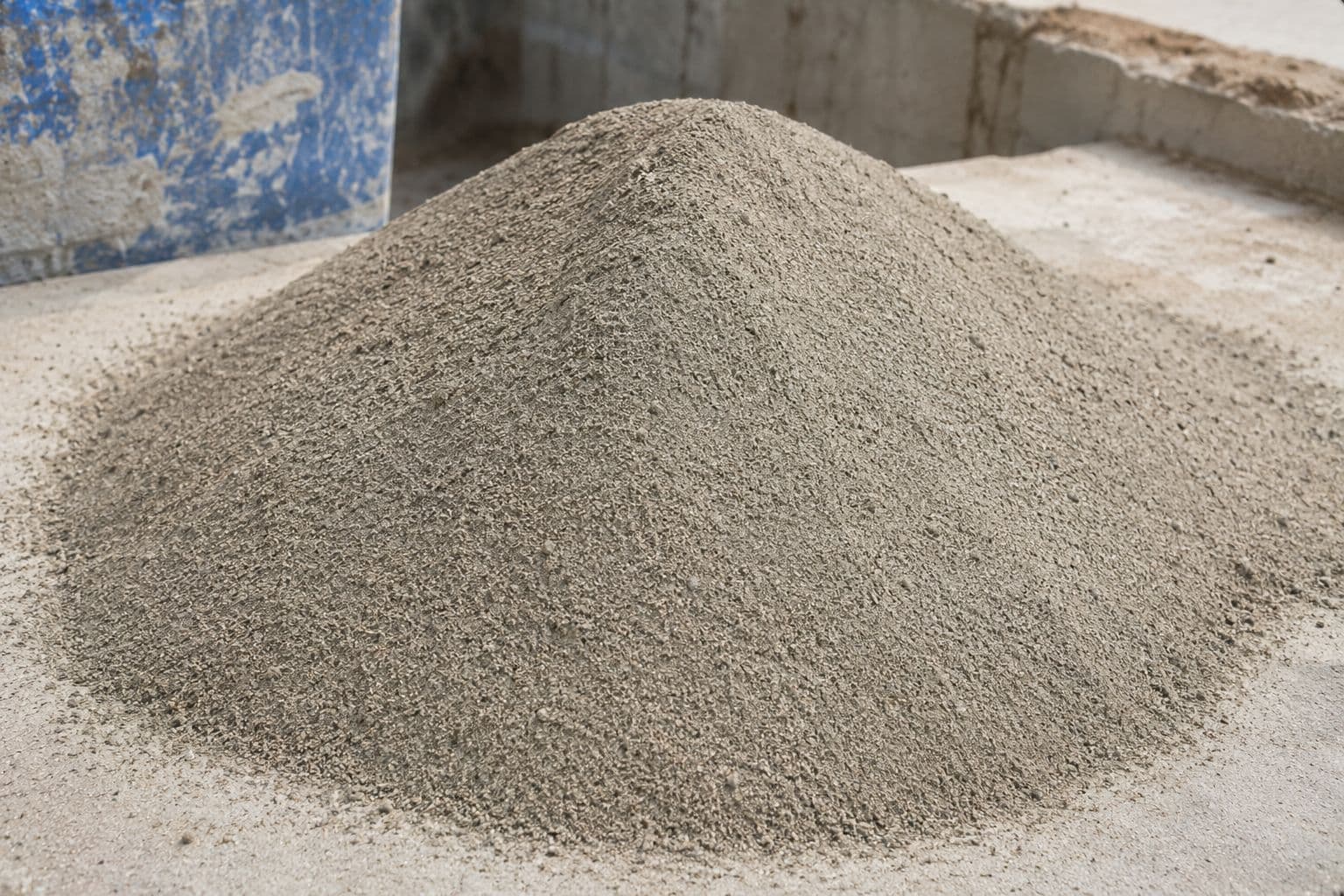
Fine Aggregate
Fine Aggregate plays a crucial role in concrete, mortar, plastering, and various construction applications. Consistent quality and compliance with project specifications are essential for achieving the desired performance, durability, and workability of construction materials. Testing and evaluation help ensure that aggregates are suitable for their intended use.
Building Quality Construction Starts with Material Verification
The success of any construction project depends heavily on the quality of the materials used throughout the process. While attention is often directed toward cement, concrete, and reinforcement systems, aggregates represent a significant portion of most construction materials and can directly influence the performance of the finished structure.
Fine Aggregate is used extensively across residential, commercial, industrial, and infrastructure projects. Because it forms an essential component of concrete and mortar mixes, its quality can significantly impact strength development, workability, durability, and long-term performance.
For project stakeholders, ensuring that Fine Aggregate meets required specifications is not simply a compliance exercise. It is an important step toward maintaining quality standards and reducing construction-related risks.
At LERM-CIVIL, Fine Aggregate testing and evaluation services help consultants, contractors, developers, and infrastructure owners verify material suitability and strengthen quality assurance practices throughout project execution.
Why Fine Aggregate Testing Is Important
Construction materials are expected to perform consistently under varying site conditions and operational demands. Even when aggregates appear visually acceptable, variations in grading, cleanliness, particle characteristics, and material quality can affect performance.
Without proper evaluation, unsuitable materials may enter the construction process, potentially impacting concrete quality, workability, durability, and compliance with project requirements.
Testing provides valuable information regarding material characteristics and helps project teams determine whether aggregates are suitable for use.
This process supports better decision-making and contributes to stronger quality control systems throughout the construction lifecycle.
LERM-CIVIL’s Approach to Fine Aggregate Evaluation
LERM-CIVIL follows a systematic approach to aggregate testing that focuses on accuracy, consistency, and compliance.
The evaluation process generally includes:
* Sample collection or receipt
* Material identification and documentation
* Laboratory examination
* Analysis and interpretation
* Reporting and quality assessment
This structured methodology helps ensure traceability throughout the testing process while providing stakeholders with reliable information regarding material quality.
The resulting data can support procurement decisions, material approvals, compliance verification, and construction quality management activities.
Key Parameters Evaluated During Fine Aggregate Testing
The quality of Fine Aggregate is influenced by several characteristics that can affect its behavior in construction applications.
Particle Size Distribution
Particle size distribution remains one of the most important aspects of aggregate evaluation.
Proper grading contributes to:
* Improved workability
* Better mix consistency
* Enhanced compaction characteristics
* Reduced void content
* More efficient material utilization
Testing helps verify whether aggregates satisfy specified grading requirements and maintain consistency throughout project execution.
Material Cleanliness
The presence of unwanted materials or impurities can affect the performance of construction materials.
Evaluating cleanliness-related characteristics helps ensure that aggregates meet quality expectations and project requirements.
Physical Characteristics
Physical property evaluations provide valuable insight into aggregate quality and suitability.
Understanding these characteristics supports material approval processes and contributes to more reliable construction outcomes.
Compliance Assessment
Testing also helps determine whether Fine Aggregate satisfies applicable specifications and project requirements.
Compliance verification remains an important component of modern quality assurance programs and supports effective construction management practices.
Supporting Concrete and Mortar Quality
The performance of concrete and mortar depends on the interaction of multiple materials working together.
Variations in Fine Aggregate quality can influence:
* Workability
* Consistency
* Strength development
* Surface finish
* Durability
* Long-term performance
By verifying aggregate quality before construction activities proceed, project teams can reduce uncertainty and improve confidence in the final product.
This proactive approach supports quality assurance objectives and contributes to better project outcomes.
Assisting Contractors, Consultants, and Project Owners
Different stakeholders rely on testing information for different purposes.
Contractors use laboratory results to support quality control procedures and demonstrate compliance with project requirements.
Consultants depend on reliable data when reviewing materials and approving construction activities.
Project owners benefit from greater confidence regarding material suitability and overall construction quality.
LERM-CIVIL supports these objectives by providing professional testing services and comprehensive reporting that facilitate informed decision-making throughout the project lifecycle.
The Importance of Independent Testing
Independent testing has become increasingly important as projects grow in scale and complexity.
Third-party evaluation helps:
* Verify compliance with specifications
* Strengthen quality assurance systems
* Improve project transparency
* Support documentation requirements
* Reduce material-related risks
* Enhance stakeholder confidence
Objective testing provides valuable assurance that quality decisions are based on verified information rather than assumptions.
For critical construction and infrastructure projects, this additional level of confidence can be extremely beneficial.
LERM-CIVIL’s Commitment to Construction Quality
Maintaining quality throughout construction requires reliable information and consistent evaluation processes.
LERM-CIVIL supports project stakeholders through comprehensive testing services that help verify material suitability and strengthen quality management systems.
By combining laboratory expertise with practical industry experience, LERM assists clients in maintaining compliance, improving quality assurance programs, and reducing uncertainty throughout project execution.
The goal is to provide dependable engineering information that contributes to safer, more durable, and more reliable construction outcomes.
Conclusion
Fine Aggregate remains a fundamental component of modern construction materials, making quality verification an important part of successful project execution. Proper testing and evaluation help ensure compliance, support quality assurance efforts, and improve confidence in material performance.
Through systematic testing, professional reporting, and independent evaluation, LERM-CIVIL helps consultants, contractors, and project owners make informed decisions regarding material acceptance and construction quality. Reliable aggregate testing continues to play a vital role in delivering durable and high-performing infrastructure.
Related Posts
Cebex 100
Cebex 100 is widely used in construction applications where material performance, consistency, and compliance with project requirements are critical. LERM-CIVIL provides laboratory testing services to verify key quality parameters, helping consultants, contractors, and project stakeholders maintain confidence in material acceptance and project execution.
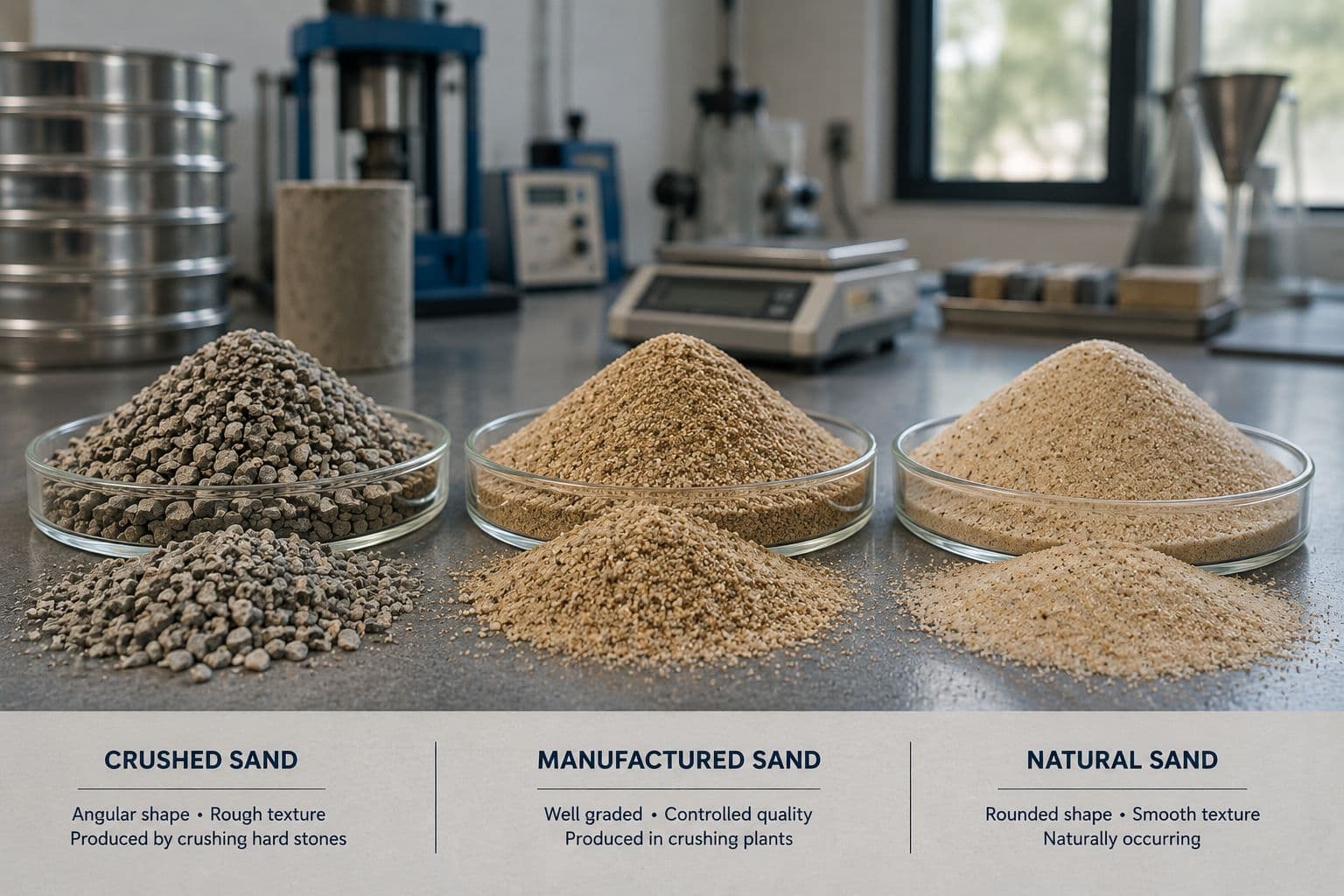
Crushed Sand / Natural Sand / Manufactured Sand
Selecting the right sand for construction projects requires more than visual inspection and supplier documentation. LERM-CIVIL provides specialized testing services for crushed sand, natural sand, and manufactured sand, helping project stakeholders verify material quality, define testing requirements, and support informed construction decisions.

Bipolar Test
Bipolar compounds used in infrastructure and industrial applications must meet strict quality and performance requirements before deployment. LERM-CIVIL provides comprehensive laboratory testing services to evaluate critical physical and chemical characteristics, helping clients verify compliance, maintain quality standards, and support safe application.