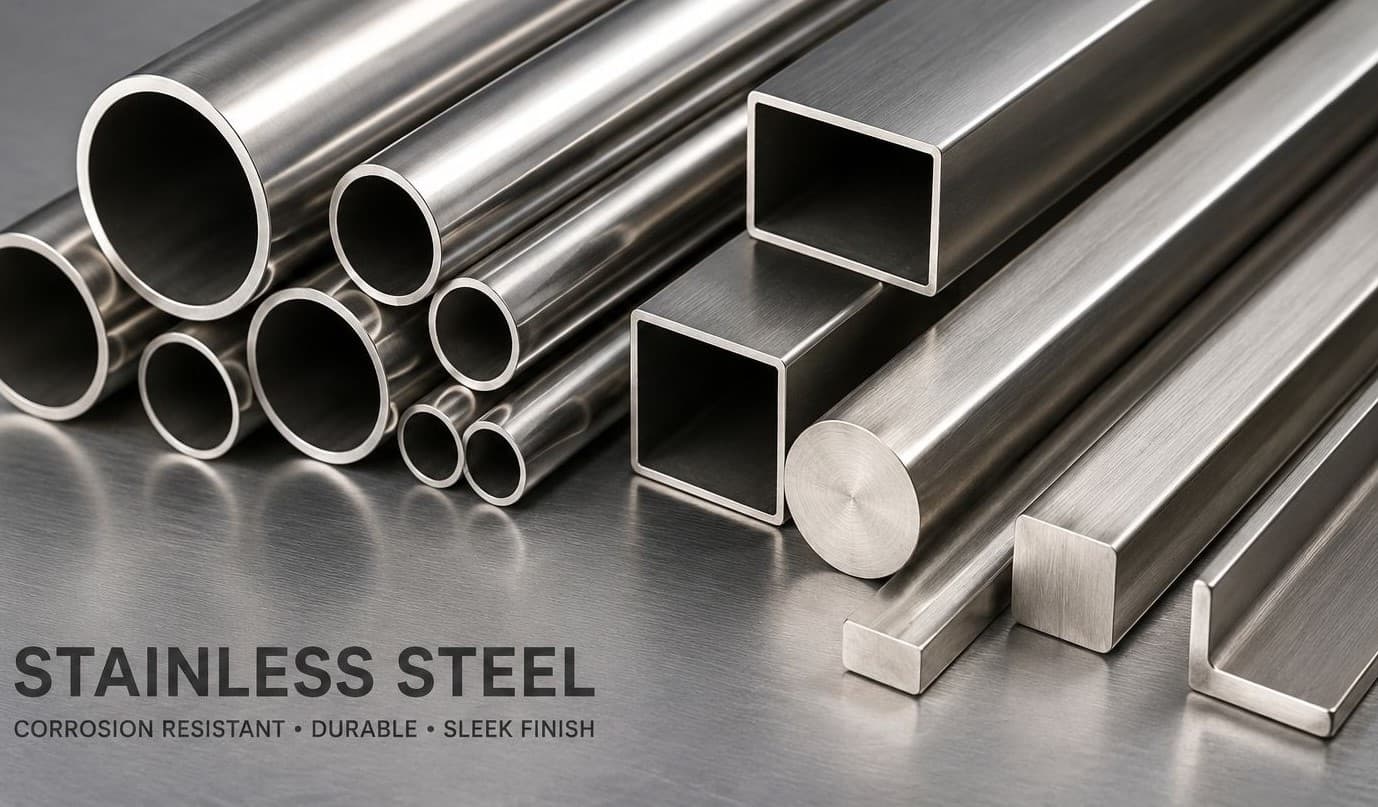
Stainless Steel
Stainless steel is widely used across construction, infrastructure, manufacturing, and industrial applications due to its exceptional corrosion resistance, strength, and durability. Ensuring that stainless steel meets specified quality and performance requirements is essential for achieving long-term reliability, safety, and compliance in engineering projects.
A Material That Has Transformed Modern Engineering
Few engineering materials have had as significant an impact on modern industry as stainless steel. From iconic skyscrapers and transportation infrastructure to food processing plants, pharmaceutical facilities, marine structures, and industrial equipment, stainless steel has become synonymous with durability and reliability.
The material’s popularity is largely attributed to its ability to resist corrosion while maintaining excellent mechanical properties. Unlike conventional steel, stainless steel contains chromium, which reacts with oxygen in the atmosphere to form a thin passive protective layer on the surface. This layer continuously repairs itself when damaged, helping the material withstand exposure to moisture, chemicals, and harsh environmental conditions.
As construction and industrial projects become increasingly demanding, engineers rely on stainless steel not only for its aesthetic appearance but also for its ability to deliver long service life with minimal maintenance. However, the performance of stainless steel cannot be assumed based solely on appearance or supplier documentation. Variations in manufacturing processes, chemical composition, fabrication methods, and service conditions can significantly affect how the material performs over time.
This is why material verification and testing play a critical role in ensuring that stainless steel products meet project requirements and perform as expected throughout their intended service life.
Why Stainless Steel Is Used Across So Many Industries
One of the key reasons stainless steel is so widely adopted is its versatility. It offers a unique combination of properties that are difficult to achieve with many other engineering materials.
Corrosion resistance remains its most recognized characteristic. In environments where conventional steel may rust rapidly, stainless steel can maintain its integrity for decades when properly selected and used. This makes it particularly valuable in coastal regions, chemical processing facilities, water treatment plants, and environments exposed to moisture or aggressive substances.
In addition to corrosion resistance, stainless steel provides excellent strength, toughness, and durability. Certain grades can withstand substantial mechanical loading while maintaining dimensional stability and structural performance.
The material is also highly hygienic, making it ideal for food processing, pharmaceutical production, hospitals, and clean-room environments. Its smooth surface can be cleaned easily and does not readily support bacterial growth.
Because of these advantages, stainless steel is commonly found in:
* Structural components
* Industrial processing equipment
* Storage tanks
* Pressure vessels
* Architectural elements
* Transportation infrastructure
* Bridges and walkways
* Water supply systems
* Food and beverage facilities
* Pharmaceutical manufacturing plants
* Energy and power projects
Despite its widespread use, selecting the correct grade and verifying material quality remain essential steps in ensuring successful performance.
The Cost of Material Failure
Engineering failures rarely occur without warning. In many cases, problems can be traced back to incorrect material selection, manufacturing inconsistencies, inadequate quality control, or a lack of proper verification before installation.
A stainless steel component may appear acceptable visually while possessing characteristics that compromise performance under actual operating conditions. Improper alloy composition, inadequate heat treatment, fabrication defects, contamination, or deviations from specifications can significantly affect service life.
The consequences of material failure often extend far beyond replacement costs. Structural damage, production downtime, safety incidents, environmental concerns, and reputational impacts can create substantial financial and operational challenges.
For this reason, engineers increasingly view testing not as an additional requirement but as an investment in reliability and risk reduction.
Understanding how a material behaves before it enters service allows project teams to make informed decisions and avoid costly surprises later in the project lifecycle.
Understanding the Properties That Matter
Stainless steel performance is determined by a combination of mechanical, chemical, and metallurgical characteristics.
Mechanical Properties
Mechanical properties help engineers understand how the material will behave when subjected to loads, stresses, and operational demands.
Important mechanical characteristics include:
* Yield strength
* Ultimate tensile strength
* Elongation
* Ductility
* Toughness
* Hardness
These properties influence the material’s ability to resist deformation, absorb energy, and maintain structural integrity under different conditions.
A material that does not meet specified mechanical requirements may perform inadequately despite appearing visually acceptable.
Chemical Composition
The chemical composition of stainless steel directly affects its performance characteristics.
Elements commonly evaluated include:
* Chromium
* Nickel
* Carbon
* Molybdenum
* Manganese
* Silicon
* Sulfur
* Phosphorus
Even relatively small variations in composition can influence corrosion resistance, weldability, strength, and long-term durability.
Verification of chemical composition helps ensure that the supplied material matches the specified grade and intended application.
Metallurgical Characteristics
The internal structure of stainless steel provides valuable insight into manufacturing quality and expected performance.
Metallurgical evaluation may reveal:
* Grain structure
* Inclusions
* Segregation
* Heat treatment effects
* Surface conditions
* Manufacturing defects
Understanding these characteristics helps engineers identify potential concerns before materials are placed into service.
Corrosion Resistance: The Property Most People Focus On
When discussing stainless steel, corrosion resistance is often the first property that comes to mind.
While stainless steel generally performs well in corrosive environments, corrosion resistance is not identical across all grades.
Different environments introduce different challenges.
For example:
* Marine environments expose materials to chloride attack.
* Chemical plants introduce aggressive substances.
* Water treatment facilities create varying corrosion conditions.
* Industrial atmospheres may contain pollutants and contaminants.
Selecting the wrong grade for a particular environment can lead to unexpected degradation despite the material being technically classified as stainless steel.
This highlights the importance of understanding both the service environment and the material properties before installation.
Proper evaluation helps ensure that the selected material can withstand real-world operating conditions over the intended design life.
Common Challenges Associated With Stainless Steel
Although stainless steel offers many advantages, it is not immune to problems.
Several issues can affect performance when materials are improperly selected, fabricated, or handled.
Some of the most common concerns include:
Surface Contamination
Contamination during fabrication or storage can compromise corrosion resistance and lead to localized corrosion.
Improper Grade Selection
Different grades are designed for different environments. Using an unsuitable grade may reduce service life significantly.
Welding-Related Issues
Poor welding practices can alter material properties and create areas susceptible to corrosion or cracking.
Manufacturing Defects
Defects introduced during production may affect both mechanical performance and durability.
Environmental Exposure
Certain operating conditions may accelerate degradation if material characteristics are not properly matched to the environment.
Understanding these challenges helps engineers implement effective quality assurance measures throughout project execution.
Industry Standards and Compliance Requirements
Modern engineering projects operate within a framework of specifications, codes, and industry standards designed to ensure safety and reliability.
Material verification often involves evaluating compliance with recognized standards and project-specific requirements.
Standards help establish acceptable limits for:
* Chemical composition
* Mechanical properties
* Manufacturing quality
* Dimensional requirements
* Testing procedures
* Acceptance criteria
Compliance verification provides confidence that materials satisfy both technical requirements and contractual obligations.
For project owners, consultants, contractors, and regulatory authorities, documented compliance serves as an important component of overall quality assurance.
The Importance of Independent Testing
Supplier certifications provide valuable information, but independent verification adds an additional layer of confidence.
Third-party evaluation allows project stakeholders to confirm that supplied materials genuinely meet specified requirements.
Independent testing helps:
* Verify supplier claims
* Reduce procurement risks
* Support quality assurance programs
* Improve traceability
* Strengthen compliance documentation
* Increase confidence in material performance
This is particularly important for critical infrastructure, industrial facilities, and projects where long-term reliability is essential.
How LERM-CIVIL Supports Material Quality Assurance
As engineering projects continue to grow in complexity, reliable testing and material evaluation become increasingly important.
LERM-CIVIL supports clients by providing professional testing and quality assurance services that help verify material performance, compliance, and suitability for intended applications.
By combining laboratory expertise with industry experience, LERM assists project stakeholders in making informed decisions based on accurate and dependable data.
Whether the objective is material verification, compliance assessment, procurement validation, or quality assurance, independent testing provides valuable insights that contribute to safer and more reliable project outcomes.
The goal is not simply to generate reports but to provide meaningful engineering information that supports better decision-making throughout the project lifecycle.
Conclusion
Stainless steel has earned its reputation as one of the world’s most reliable engineering materials. Its combination of strength, durability, hygiene, and corrosion resistance makes it indispensable across countless applications.
However, long-term performance depends on more than simply selecting stainless steel. Material quality, manufacturing consistency, chemical composition, and suitability for specific operating conditions all influence how effectively the material performs in service.
Through proper evaluation, verification, and quality assurance, project teams can ensure that stainless steel products meet required standards and deliver the reliability expected from one of modern engineering’s most trusted materials.
Related Posts
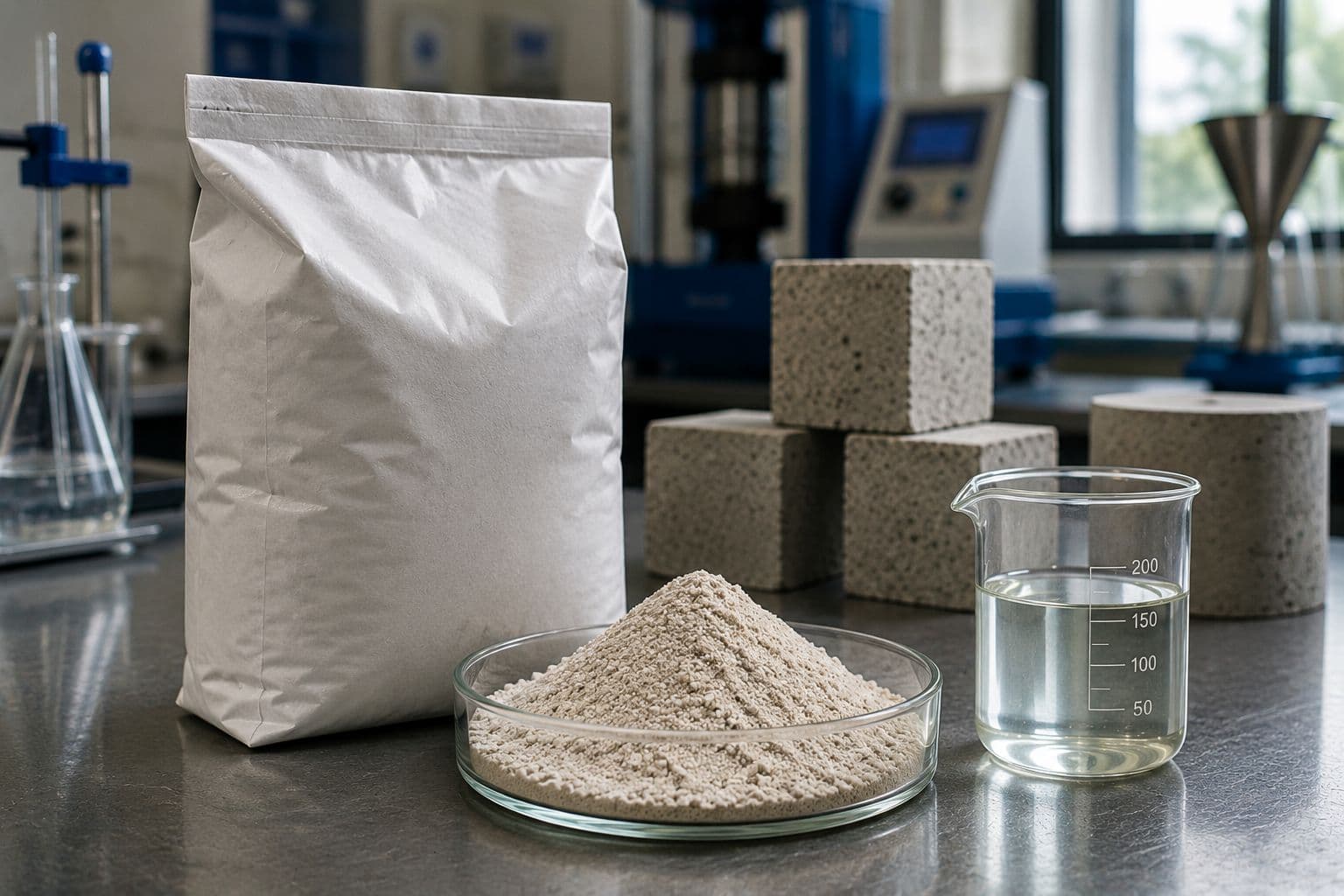
Cebex 100
Cebex 100 is widely used in construction applications where material performance, consistency, and compliance with project requirements are critical. LERM-CIVIL provides laboratory testing services to verify key quality parameters, helping consultants, contractors, and project stakeholders maintain confidence in material acceptance and project execution.
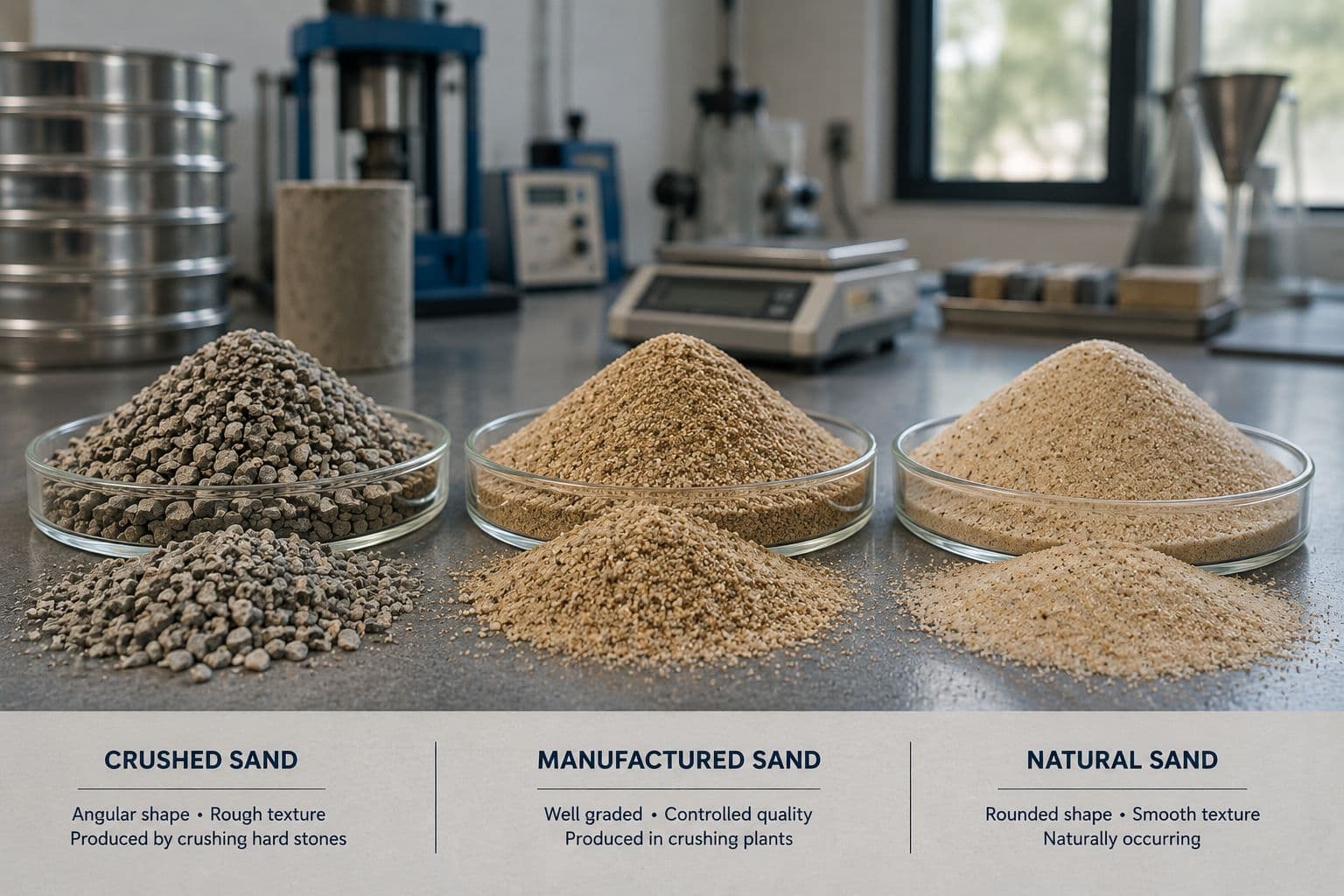
Crushed Sand / Natural Sand / Manufactured Sand
Selecting the right sand for construction projects requires more than visual inspection and supplier documentation. LERM-CIVIL provides specialized testing services for crushed sand, natural sand, and manufactured sand, helping project stakeholders verify material quality, define testing requirements, and support informed construction decisions.
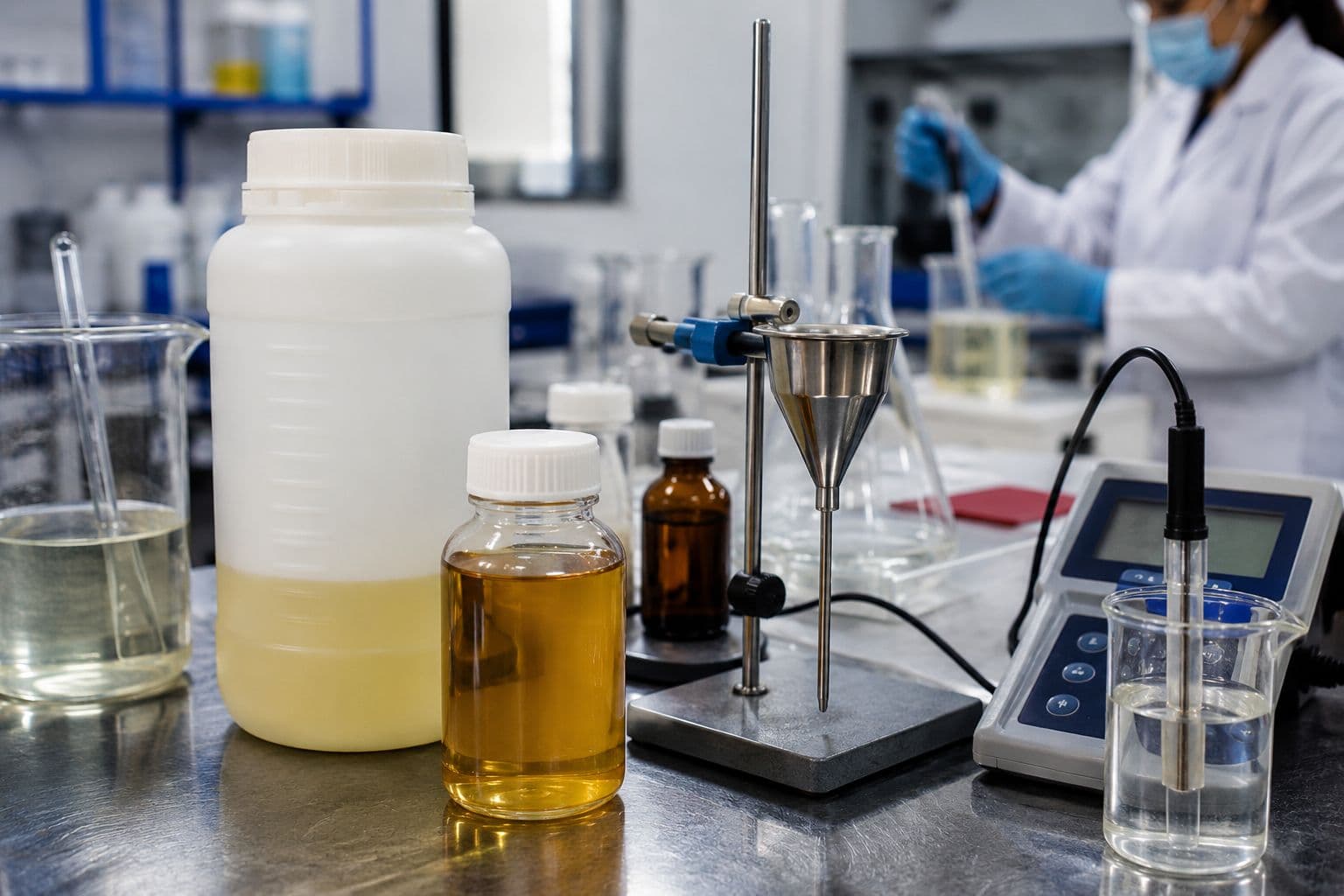
Bipolar Test
Bipolar compounds used in infrastructure and industrial applications must meet strict quality and performance requirements before deployment. LERM-CIVIL provides comprehensive laboratory testing services to evaluate critical physical and chemical characteristics, helping clients verify compliance, maintain quality standards, and support safe application.