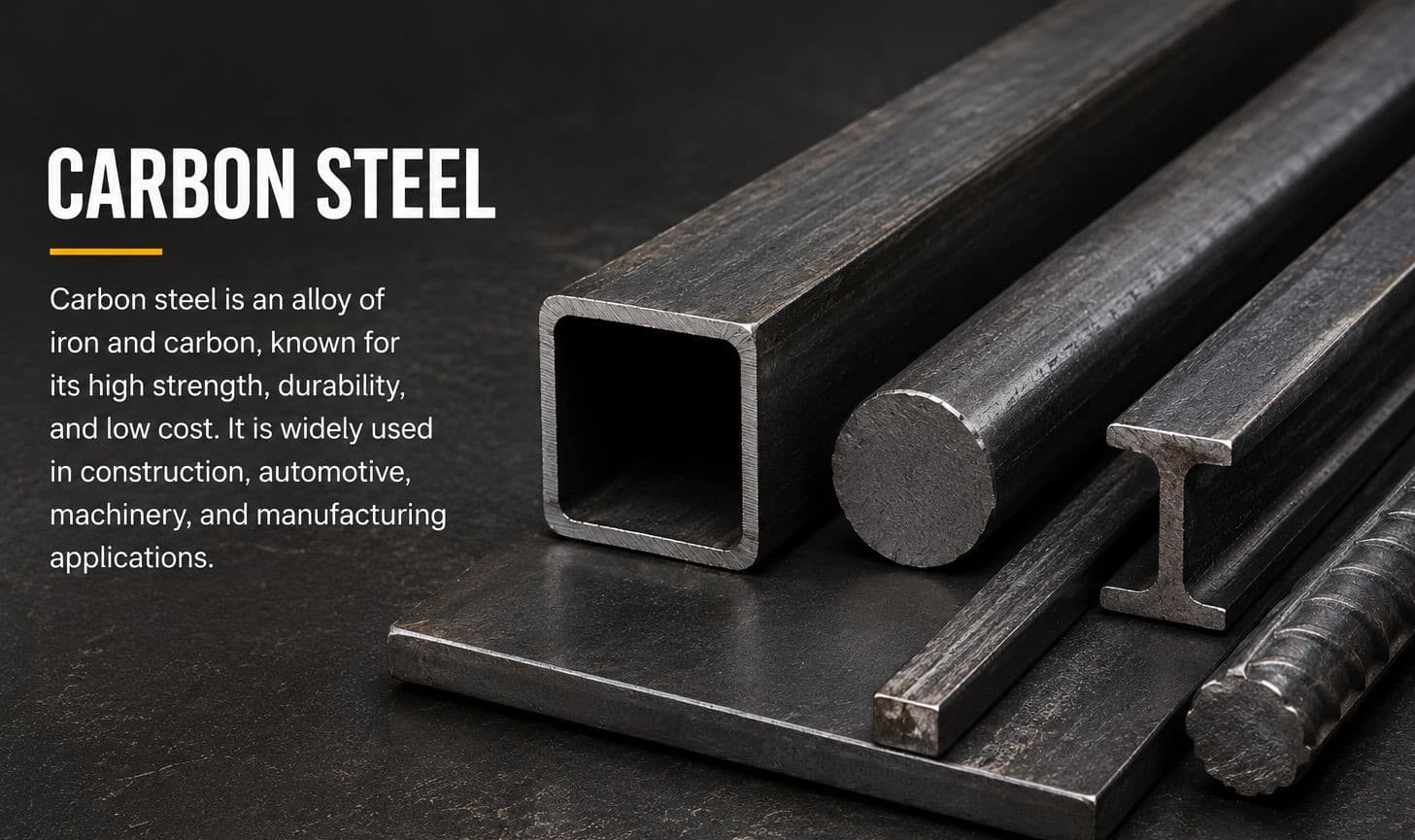
Carbon Steel
Carbon steel remains one of the most widely used engineering materials in construction, infrastructure, manufacturing, and industrial applications. Its strength, versatility, and cost-effectiveness make it a preferred choice for structural and load-bearing applications, making quality verification essential for ensuring performance and reliability.
The Backbone of Modern Infrastructure
Long before advanced alloys and specialized materials became common in engineering, carbon steel established itself as the foundation of modern construction and industrial development. Today, it remains one of the most important materials used across the world, forming the skeleton of buildings, bridges, factories, warehouses, transportation systems, and countless industrial facilities.
The reason for its popularity is simple. Carbon steel provides an excellent balance between strength, workability, availability, and cost. It can be manufactured in a wide range of shapes and sizes, making it suitable for everything from reinforcement bars and structural beams to pipelines and heavy industrial equipment.
However, despite its widespread use, carbon steel is not a material that can simply be accepted without verification. The performance of a structure often depends on whether the supplied material truly possesses the strength, ductility, toughness, and consistency required by the design. Even minor deviations in material properties can have significant consequences when large loads and long service lives are involved.
This is why carbon steel testing continues to play a critical role in quality assurance programs across construction, infrastructure, and manufacturing projects.
Why Carbon Steel Continues to Dominate Engineering Projects
Engineering materials are often evaluated based on performance, durability, availability, and cost. Carbon steel performs exceptionally well across all four areas, making it difficult to replace in many applications.
Its high strength allows it to support significant loads without excessive deformation. At the same time, it can be fabricated, welded, machined, and formed relatively easily compared to many specialized materials.
Carbon steel is commonly used in:
* Structural steel frameworks
* Industrial buildings
* Bridges
* Reinforcement systems
* Pipelines
* Pressure vessels
* Manufacturing equipment
* Transportation infrastructure
* Power generation facilities
* Heavy engineering projects
Its ability to adapt to different engineering requirements has ensured its continued relevance even as newer materials enter the market.
When Material Quality Becomes a Critical Concern
Most structural failures do not occur because engineers lack knowledge. They occur because assumptions are made about materials that later prove incorrect.
A structural design may be perfectly adequate on paper, but if the supplied steel fails to achieve the required mechanical properties, the entire system can be compromised.
This is particularly important in projects involving:
* High-rise buildings
* Industrial facilities
* Bridges
* Heavy equipment foundations
* Infrastructure projects
* Public safety structures
Engineers must be confident that the material delivered to the site is capable of performing exactly as intended.
Without proper verification, hidden issues may remain undetected until the structure is already in service.
Understanding the Mechanical Properties of Carbon Steel
The true performance of carbon steel cannot be judged simply by appearance. Its suitability depends on a range of mechanical characteristics that determine how it behaves under real-world conditions.
Yield Strength
Yield strength represents the stress level at which steel begins to deform permanently.
This property is particularly important because structural designs are often based on keeping stresses below the yield point. Once yielding occurs, components may experience permanent deformation that affects performance and safety.
Tensile Strength
Tensile strength refers to the maximum load the material can withstand before failure.
Engineers use tensile strength data to assess the material’s ability to resist applied forces and maintain structural integrity under demanding conditions.
Elongation and Ductility
Strength alone is not enough. A material must also possess sufficient ductility.
Ductility allows steel to absorb energy and deform before failure. This characteristic is especially valuable in seismic regions and dynamic loading environments where sudden brittle failures can be catastrophic.
Toughness
Toughness measures a material’s ability to absorb energy before fracturing.
In many engineering applications, toughness can be just as important as strength, particularly where impact loading or fluctuating stresses are expected.
The Relationship Between Carbon Content and Performance
The term “carbon steel” covers a wide range of materials with different carbon concentrations.
As carbon content increases:
* Strength generally increases.
* Hardness increases.
* Wear resistance improves.
However:
* Weldability may decrease.
* Ductility may reduce.
* Toughness may be affected.
This creates a balance that engineers must carefully manage depending on the intended application.
Selecting the wrong grade can lead to performance issues even when the material technically meets basic specifications.
Understanding this relationship is one of the reasons material evaluation remains essential.
Common Issues Found in Carbon Steel Materials
Despite its reliability, carbon steel can still experience a variety of problems.
Manufacturing Variations
Differences in production processes may affect mechanical properties and consistency.
Surface Defects
Cracks, laminations, and other defects can reduce structural performance and service life.
Chemical Composition Deviations
Unexpected variations in alloy composition can alter strength, weldability, and durability.
Heat Treatment Concerns
Improper heat treatment may significantly affect the final properties of the material.
Corrosion
Unlike stainless steel, carbon steel is vulnerable to corrosion if not properly protected.
Over time, corrosion can reduce cross-sectional area and weaken structural components.
These challenges reinforce the importance of systematic quality control and material verification.
Carbon Steel and Structural Safety
Every major infrastructure project depends on the reliable performance of structural materials.
Whether supporting thousands of occupants in a commercial building or carrying heavy traffic loads on a bridge, carbon steel components are often responsible for transferring and resisting enormous forces.
Failures in these systems can have severe consequences.
For this reason, project stakeholders increasingly require comprehensive quality assurance programs that include material verification, compliance assessment, and independent testing.
Such practices help identify potential issues before materials are incorporated into critical structures.
The Role of Standards and Compliance
Engineering projects rarely rely on assumptions alone.
Material acceptance is typically governed by standards, specifications, and contractual requirements that establish minimum performance criteria.
These requirements help ensure consistency, reliability, and safety across projects.
Compliance verification may involve evaluation of:
* Mechanical properties
* Chemical composition
* Dimensional accuracy
* Manufacturing quality
* Traceability documentation
* Testing requirements
Meeting these requirements provides confidence that materials are suitable for their intended purpose.
Why Independent Verification Matters
Supplier documentation plays an important role in procurement and quality control, but independent verification provides an additional level of assurance.
Third-party evaluation helps project teams:
* Validate material specifications
* Confirm compliance with project requirements
* Reduce procurement risks
* Strengthen quality assurance processes
* Improve documentation and traceability
Independent testing is particularly valuable when projects involve critical structures, significant investments, or demanding service conditions.
How LERM-CIVIL Supports Carbon Steel Evaluation
As projects become more complex and quality expectations continue to increase, access to reliable testing and evaluation services becomes increasingly important.
LERM-CIVIL supports consultants, contractors, developers, manufacturers, and infrastructure stakeholders by providing material testing and quality assurance services that help verify compliance and performance.
Through systematic evaluation and professional reporting, project teams gain access to accurate information that supports better decision-making throughout design, procurement, and construction.
The objective is not merely to confirm compliance but to provide confidence that materials will perform reliably throughout their intended service life.
Conclusion
Carbon steel remains one of the most important engineering materials ever developed. Its strength, versatility, availability, and economic value make it indispensable across construction, infrastructure, and industrial sectors.
However, the success of any project depends not only on selecting carbon steel but on ensuring that the material delivered to site meets the requirements established by design, standards, and performance expectations.
Through proper evaluation, quality assurance, and independent verification, engineers can reduce risk, improve reliability, and ensure that carbon steel continues to serve as the backbone of modern infrastructure for decades to come.
Related Posts
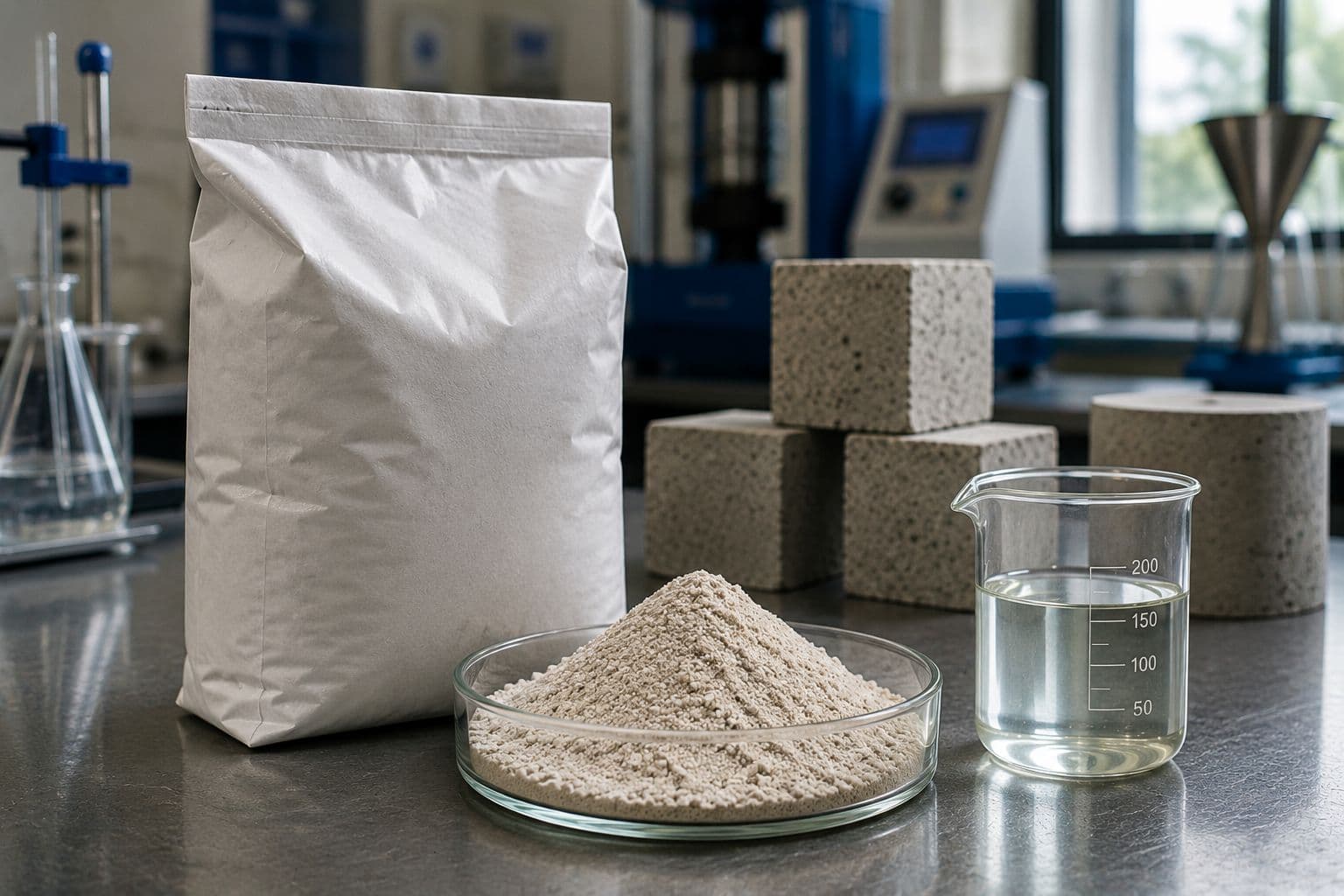
Cebex 100
Cebex 100 is widely used in construction applications where material performance, consistency, and compliance with project requirements are critical. LERM-CIVIL provides laboratory testing services to verify key quality parameters, helping consultants, contractors, and project stakeholders maintain confidence in material acceptance and project execution.
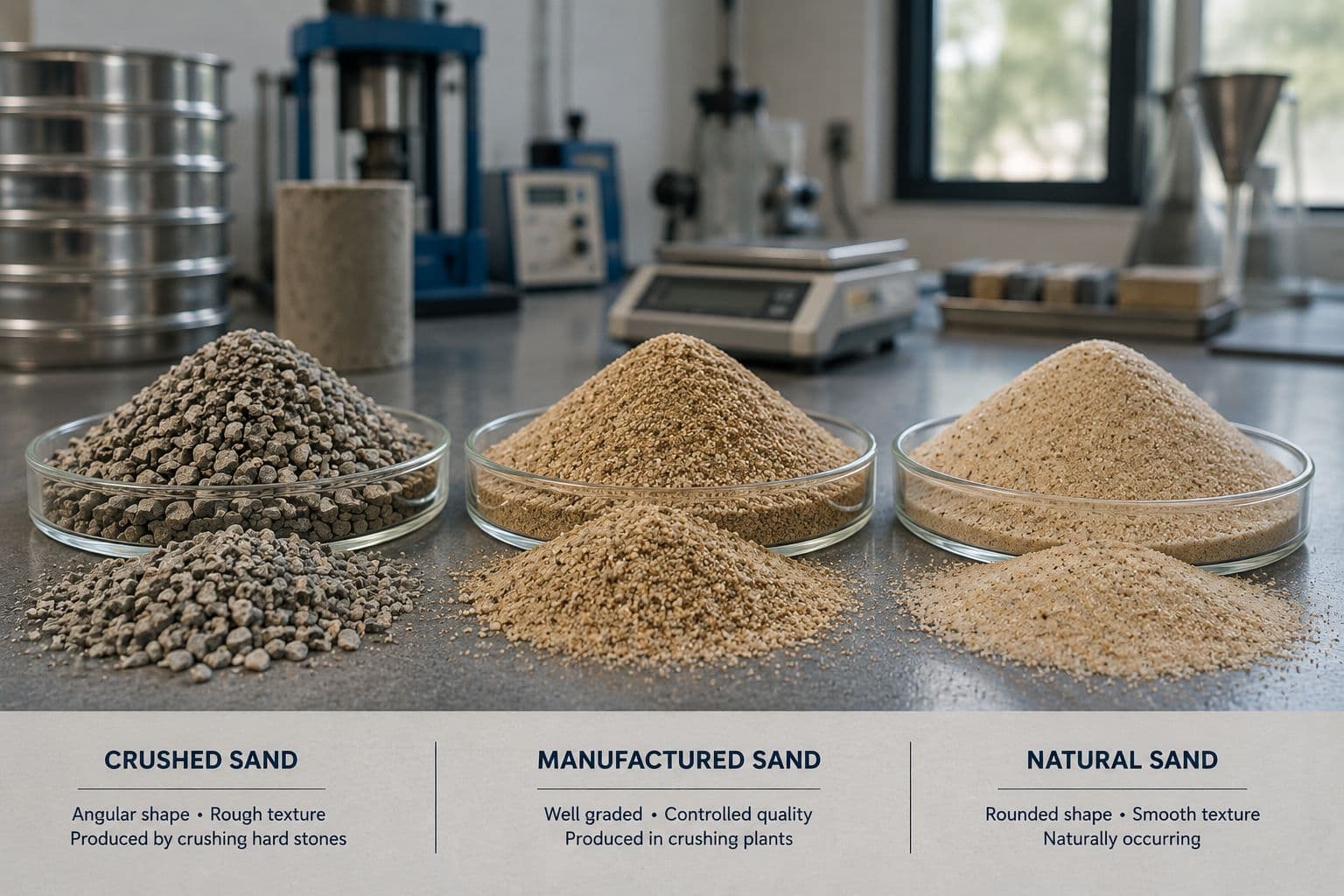
Crushed Sand / Natural Sand / Manufactured Sand
Selecting the right sand for construction projects requires more than visual inspection and supplier documentation. LERM-CIVIL provides specialized testing services for crushed sand, natural sand, and manufactured sand, helping project stakeholders verify material quality, define testing requirements, and support informed construction decisions.

Bipolar Test
Bipolar compounds used in infrastructure and industrial applications must meet strict quality and performance requirements before deployment. LERM-CIVIL provides comprehensive laboratory testing services to evaluate critical physical and chemical characteristics, helping clients verify compliance, maintain quality standards, and support safe application.