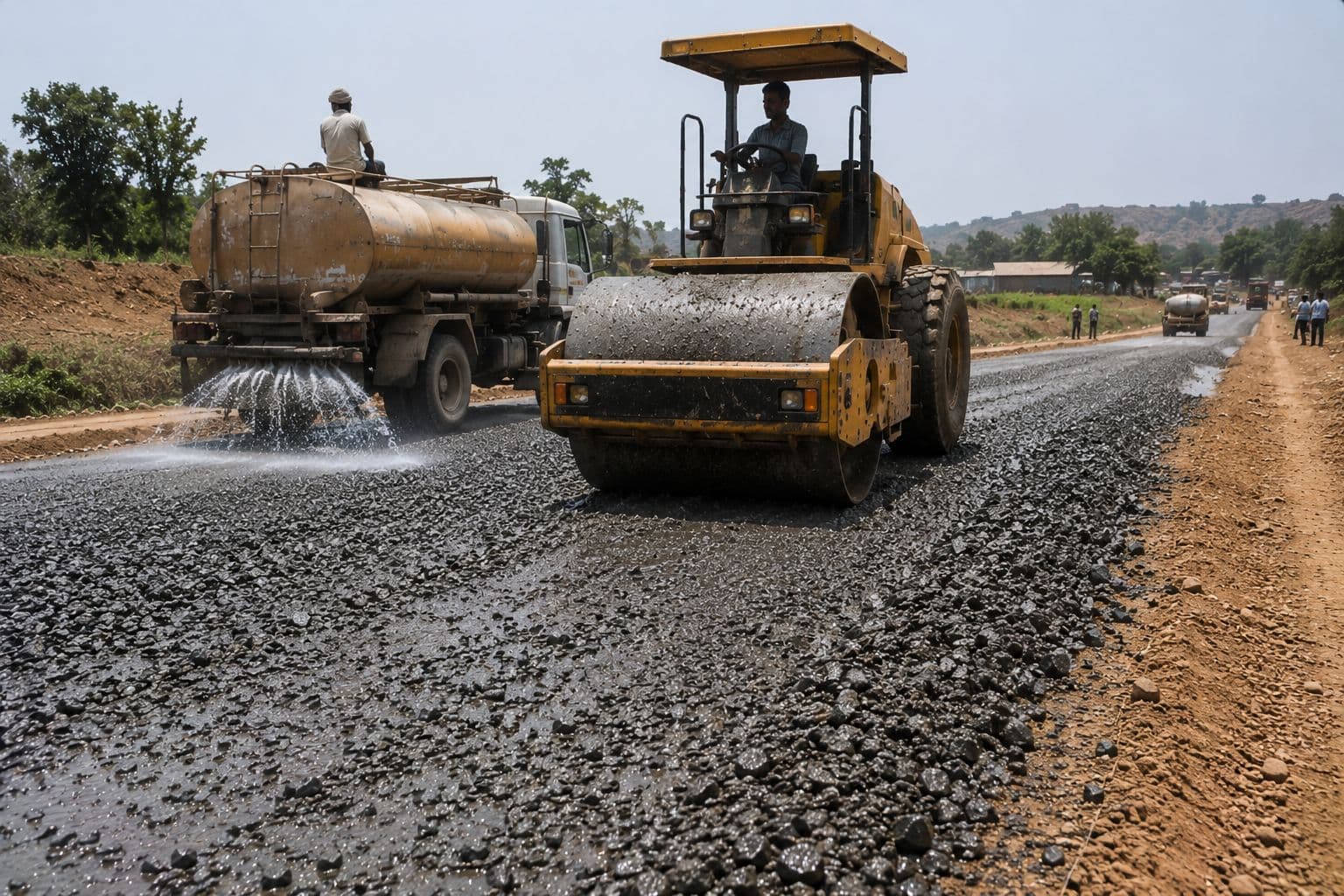
Wet Mix Macadam (WMM)
Wet Mix Macadam (WMM) is one of the most critical layers in modern road construction, serving as the foundation for pavement performance and durability. Proper testing and evaluation help ensure that WMM materials meet project specifications, support structural stability, and contribute to the long-term success of transportation infrastructure.
Building Stronger Roads Starts Below the Surface
The performance of any road is often judged by its surface condition. Smooth riding quality, durability, and resistance to deterioration are all visible indicators of a well-constructed pavement. However, what determines whether a road performs effectively for years or begins deteriorating prematurely is often found beneath the surface.
One of the most important components of a pavement structure is the Wet Mix Macadam (WMM) layer. Acting as a major load-distributing layer, WMM provides structural support between the sub-base and upper pavement layers. It plays a significant role in ensuring that traffic loads are transferred efficiently while maintaining pavement stability throughout its service life.
Because of its importance, WMM cannot simply be produced, placed, and accepted without verification. Material quality, aggregate characteristics, grading, moisture control, and compaction all influence the final performance of the layer.
At LERM-CIVIL, WMM testing and evaluation services help project stakeholders verify material quality, maintain compliance with project requirements, and strengthen overall quality assurance programs.
Why WMM Quality Directly Impacts Road Performance
Roads are expected to withstand millions of vehicle movements throughout their service life. Every passing vehicle introduces stresses that travel through the pavement structure and into the supporting layers below.
If the WMM layer lacks the required strength, stability, or consistency, these stresses may not be distributed effectively. Over time, this can contribute to issues such as:
Premature pavement distress
Rutting
Surface deformation
Reduced structural capacity
Increased maintenance requirements
Shortened pavement life
For this reason, infrastructure agencies, consultants, contractors, and project owners place significant emphasis on material quality and compliance during construction.
Testing provides confidence that materials used within the pavement structure meet required standards before they become part of the permanent works.
LERM-CIVIL's Approach to WMM Testing and Evaluation
LERM-CIVIL supports road, highway, industrial pavement, and infrastructure projects through systematic testing and evaluation of WMM materials.
The process involves sample receipt, documentation, laboratory examination, quality assessment, and reporting procedures designed to generate reliable information regarding material suitability and compliance.
The objective is not only to determine whether a material passes or fails a specification but also to provide stakeholders with meaningful data that supports informed decision-making.
Through structured testing programs and professional reporting, LERM helps project teams maintain quality standards throughout construction.
Critical Parameters Evaluated During WMM Testing
The quality of a WMM layer depends on several material characteristics working together to achieve the required performance.
Aggregate Gradation
One of the most important aspects of WMM quality is proper particle size distribution.
Gradation influences:
Load transfer capability
Compaction efficiency
Stability
Void content
Overall pavement performance
Materials that fall outside specified gradation limits may not perform as intended under field conditions.
Laboratory evaluation helps verify compliance and identify potential concerns before construction progresses.
Aggregate Quality
The quality of aggregates used in WMM construction directly influences structural performance.
Testing helps assess characteristics that affect:
Strength
Durability
Resistance to breakdown
Long-term stability
Ensuring aggregate quality is essential for achieving consistent pavement performance throughout the design life of the project.
Moisture Control
WMM construction relies heavily on proper moisture management during mixing and compaction.
Moisture content influences workability, density achievement, and overall construction quality.
Testing helps establish appropriate parameters for field operations and supports more consistent construction practices.
Density and Compaction
Compaction is one of the most critical factors influencing pavement performance.
Achieving the required density helps improve:
Structural stability
Load-bearing performance
Durability
Resistance to deformation
Laboratory and field evaluations provide valuable information regarding compaction effectiveness and compliance with project requirements.
Supporting Quality Assurance Throughout Construction
Quality assurance is most effective when it is integrated into every stage of a project rather than being treated as a final inspection activity.
WMM testing provides project teams with information that supports:
Material approval processes
Construction quality control
Compliance verification
Risk reduction
Documentation requirements
By identifying issues early, stakeholders can take corrective action before materials become permanently incorporated into the pavement structure.
This proactive approach often saves both time and cost while contributing to improved project outcomes.
Helping Consultants, Contractors, and Infrastructure Agencies
Different project stakeholders rely on testing data for different reasons.
Consultants use laboratory results to verify compliance with specifications and support approval processes.
Contractors depend on reliable testing information to maintain construction quality and demonstrate adherence to project requirements.
Infrastructure agencies and project owners require confidence that materials used within the project will support long-term performance objectives.
LERM-CIVIL supports all of these stakeholders through professional testing services and clear, well-documented reporting.
The result is improved transparency and stronger confidence throughout the project lifecycle.
The Growing Importance of Independent Verification
Modern infrastructure projects involve significant investment, strict performance requirements, and long service-life expectations.
As a result, independent testing has become an increasingly important component of quality assurance frameworks.
Third-party evaluation helps:
Verify compliance
Strengthen quality control systems
Improve traceability
Support regulatory requirements
Reduce project risks
Enhance stakeholder confidence
Independent verification provides an objective assessment of material quality and contributes to better-informed engineering decisions.
LERM-CIVIL's Commitment to Infrastructure Excellence
Successful infrastructure projects require more than design and construction expertise. They also depend on effective quality management systems that ensure materials meet the standards necessary for long-term performance.
LERM-CIVIL contributes to this objective by providing testing and evaluation services that support material verification, compliance assessment, and quality assurance.
By combining technical expertise, laboratory capabilities, and industry experience, LERM helps stakeholders maintain confidence in the materials being incorporated into critical infrastructure projects.
The focus remains on delivering accurate information that supports safer, stronger, and more durable transportation networks.
Conclusion
Wet Mix Macadam is one of the most important structural layers within a pavement system, making quality verification a critical component of successful road construction. Material quality, aggregate characteristics, compaction, and compliance all influence how effectively the pavement performs over its intended service life.
Through comprehensive testing and independent evaluation, LERM-CIVIL helps consultants, contractors, and project owners strengthen quality assurance programs, verify compliance, and improve confidence in project outcomes. As transportation infrastructure continues to evolve, reliable testing remains essential for achieving long-term durability and performance.
Related Posts
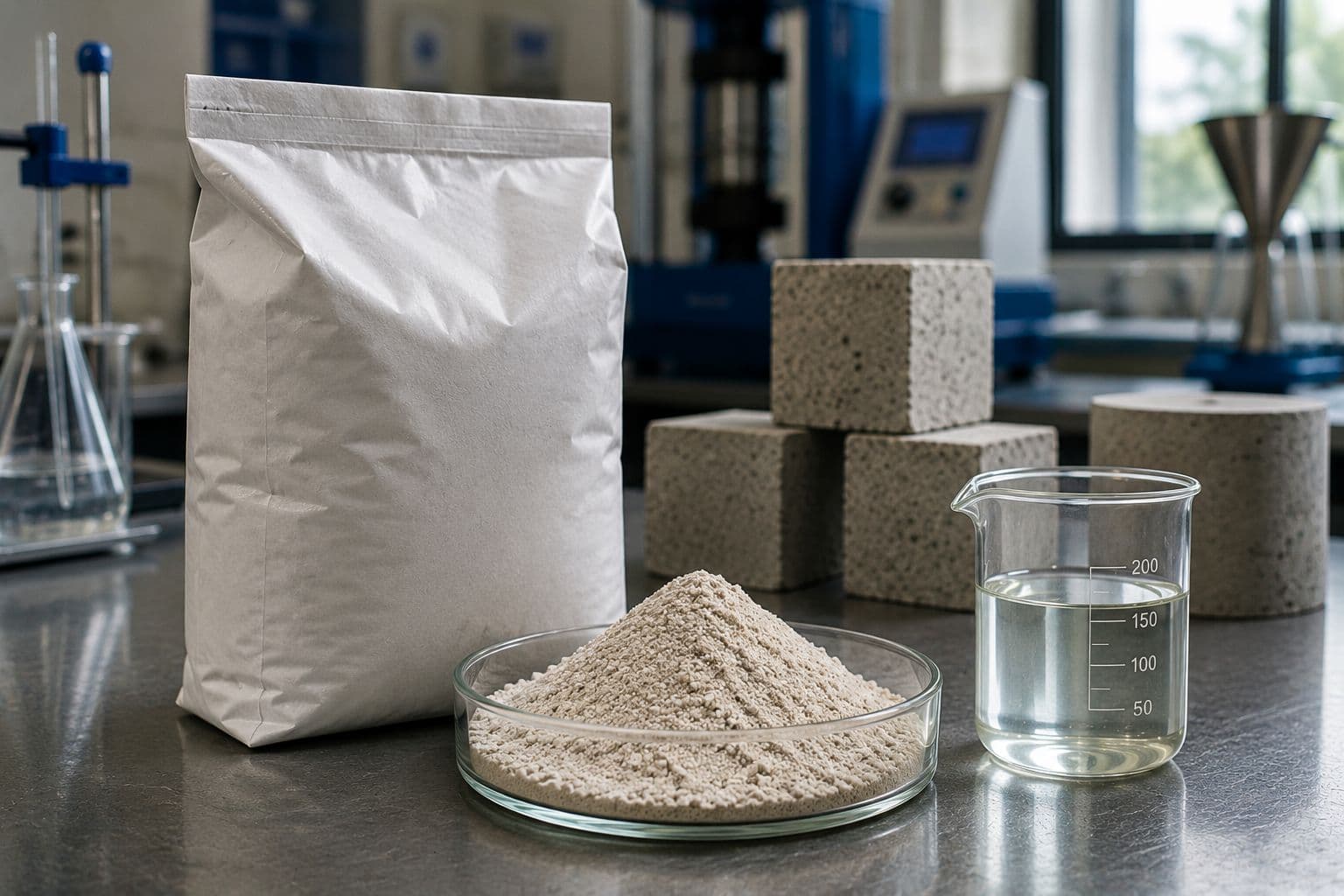
Cebex 100
Cebex 100 is widely used in construction applications where material performance, consistency, and compliance with project requirements are critical. LERM-CIVIL provides laboratory testing services to verify key quality parameters, helping consultants, contractors, and project stakeholders maintain confidence in material acceptance and project execution.
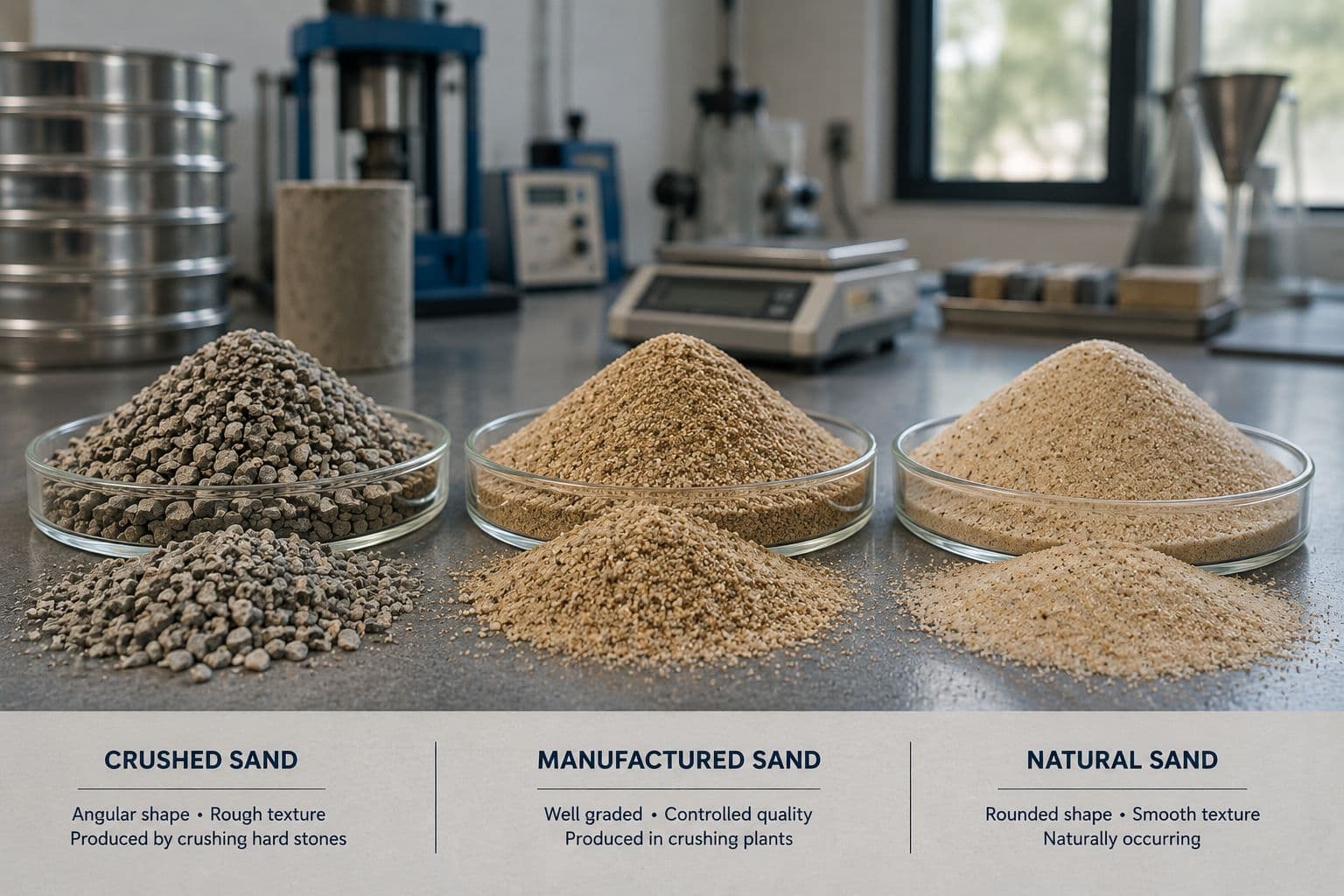
Crushed Sand / Natural Sand / Manufactured Sand
Selecting the right sand for construction projects requires more than visual inspection and supplier documentation. LERM-CIVIL provides specialized testing services for crushed sand, natural sand, and manufactured sand, helping project stakeholders verify material quality, define testing requirements, and support informed construction decisions.
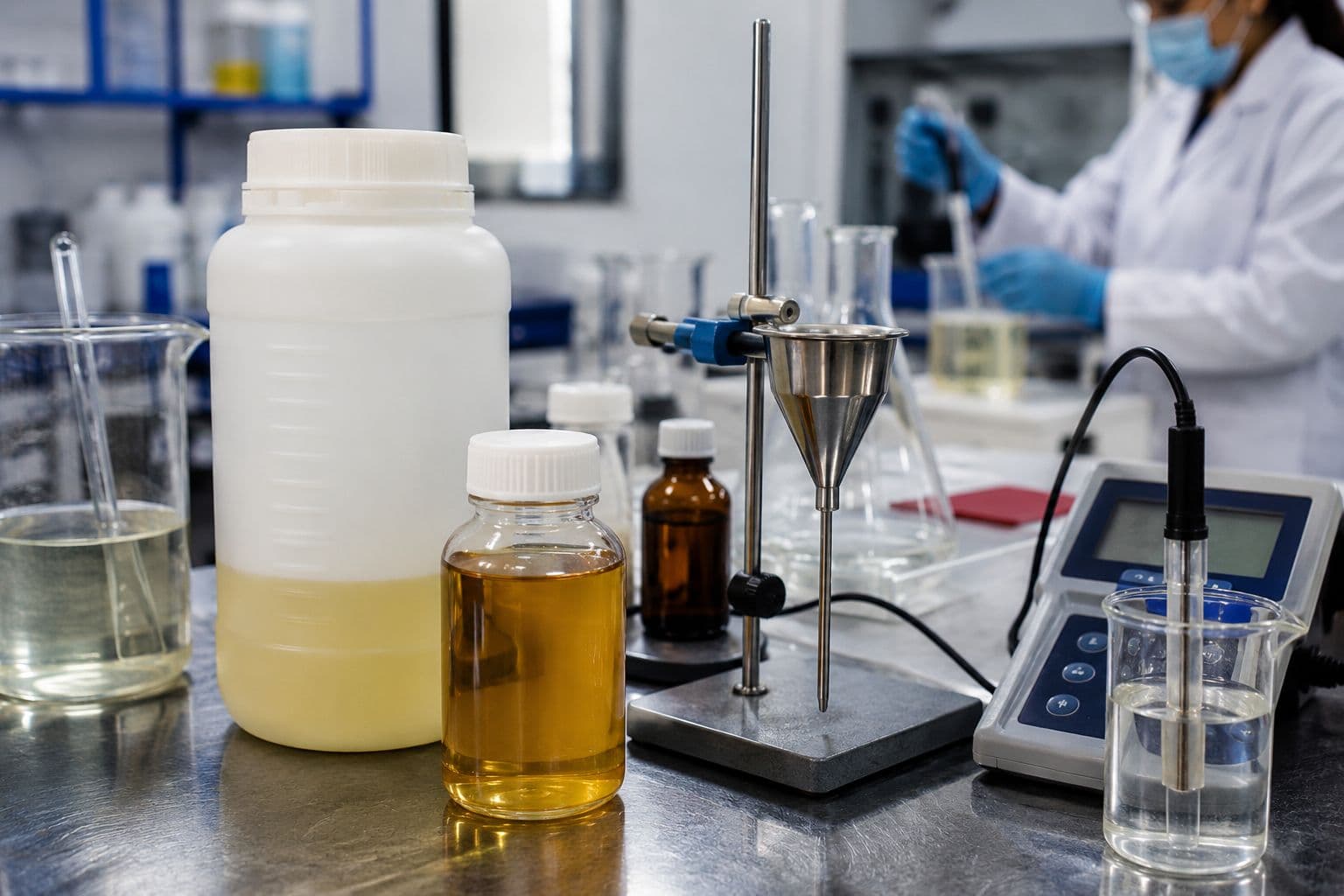
Bipolar Test
Bipolar compounds used in infrastructure and industrial applications must meet strict quality and performance requirements before deployment. LERM-CIVIL provides comprehensive laboratory testing services to evaluate critical physical and chemical characteristics, helping clients verify compliance, maintain quality standards, and support safe application.