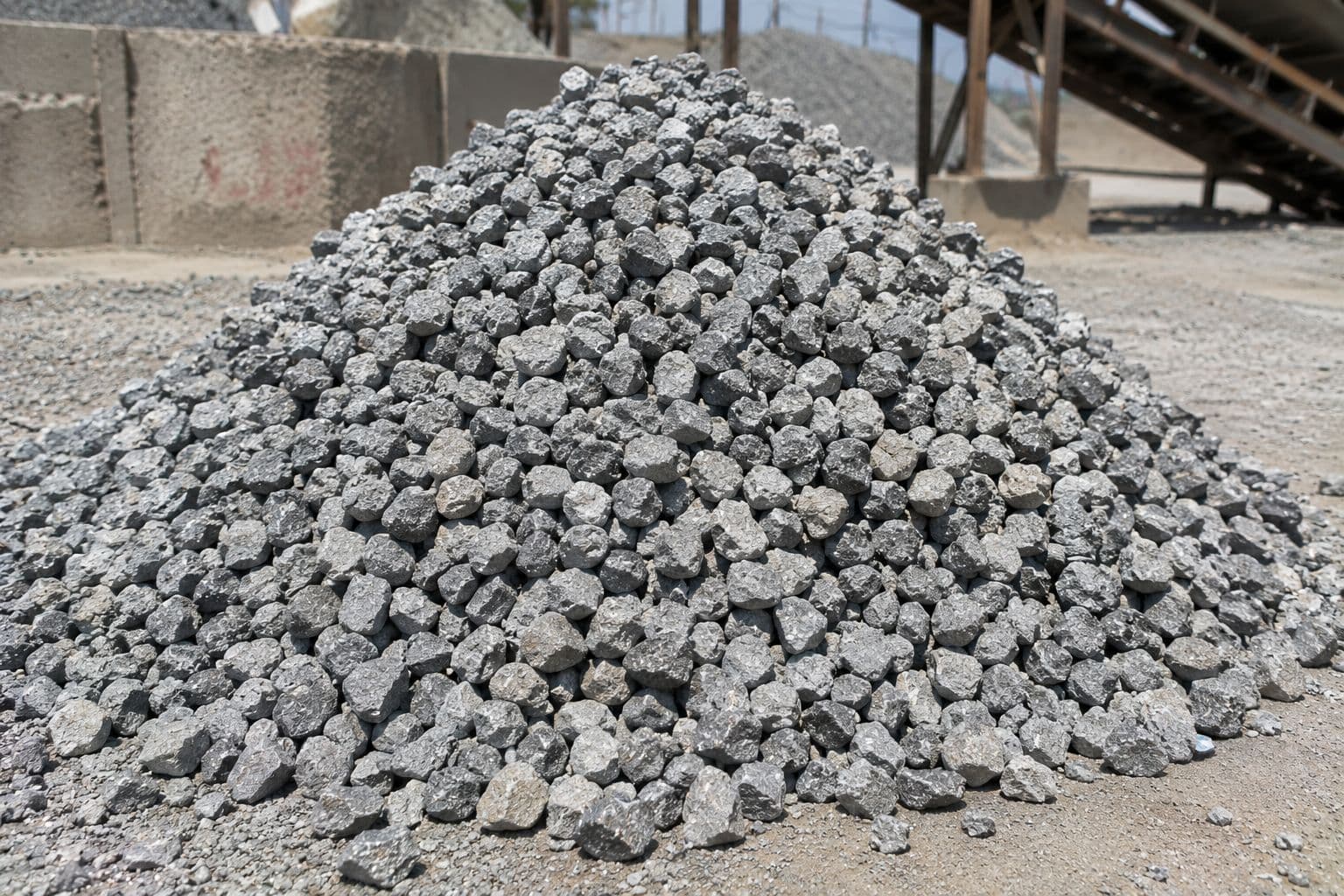
Coarse Aggregate
Coarse Aggregate forms the structural backbone of concrete and plays a significant role in determining strength, durability, and overall performance. Proper testing and evaluation help verify material quality, ensure compliance with project specifications, and support the successful execution of construction and infrastructure projects.
The Foundation of Strong and Durable Concrete
Every successful construction project depends on the quality of its constituent materials. While cement often receives the greatest attention, the performance of concrete is equally influenced by the aggregates used within the mix. Among these materials, Coarse Aggregate plays a particularly important role because it occupies a substantial portion of the concrete volume and contributes directly to its structural behavior.
From residential buildings and commercial developments to bridges, highways, industrial facilities, and large-scale infrastructure projects, coarse aggregates are incorporated into countless construction applications. Their quality can influence concrete strength, durability, stability, and long-term serviceability.
Because of this, material verification has become a critical aspect of quality assurance. Testing helps project stakeholders confirm that aggregates satisfy specified requirements before they are incorporated into concrete production.
At LERM-CIVIL, Coarse Aggregate testing services support consultants, contractors, developers, infrastructure agencies, and project owners by providing reliable information regarding material quality and compliance.
Why Coarse Aggregate Quality Matters
The performance of concrete depends on the combined behavior of cement, water, aggregates, and admixtures. If any one of these components fails to meet quality expectations, the overall performance of the concrete may be affected.
Coarse Aggregate contributes significantly to:
* Strength development
* Load-bearing capacity
* Structural stability
* Durability
* Dimensional stability
* Long-term performance
Variations in aggregate quality can influence how concrete behaves during placement, curing, and service.
Even materials that appear acceptable through visual inspection may contain characteristics that affect compliance or performance. Testing provides an objective method for evaluating these characteristics and supporting informed decision-making.
LERM-CIVIL’s Approach to Coarse Aggregate Evaluation
LERM-CIVIL follows a structured testing and evaluation process designed to assess aggregate quality against project requirements and applicable standards.
The process generally includes:
* Sample receipt and identification
* Documentation and traceability
* Laboratory evaluation
* Data analysis
* Technical reporting
This systematic approach helps ensure consistency, transparency, and reliability throughout the testing process.
The resulting information supports material approval procedures, procurement decisions, compliance verification, and quality assurance programs across a wide range of construction projects.
Key Parameters Evaluated During Coarse Aggregate Testing
Several material characteristics influence the performance of Coarse Aggregate within construction applications.
Particle Size Distribution
Proper grading remains an important factor in achieving consistent concrete performance.
Testing helps verify whether aggregate distribution satisfies project specifications and contributes to desired performance characteristics.
Well-graded aggregates can support:
* Improved workability
* Better compaction
* Reduced void content
* Enhanced concrete quality
* Greater consistency
Maintaining proper grading is therefore an important aspect of quality control.
Aggregate Strength Characteristics
The ability of aggregates to withstand loads and stresses can influence the behavior of the finished concrete.
Evaluating strength-related properties helps determine whether the material is suitable for demanding construction applications and long-term service conditions.
Durability Assessment
Construction materials are expected to perform for many years while being exposed to traffic loads, environmental conditions, and operational demands.
Testing helps assess characteristics related to durability and long-term performance.
Understanding these properties supports more effective quality management and risk reduction.
Material Cleanliness and Quality
The presence of undesirable materials or contaminants can affect aggregate performance and overall concrete quality.
Quality assessments help determine whether aggregates satisfy specified requirements and remain suitable for use.
Supporting Concrete Performance Throughout Its Service Life
Concrete structures are expected to deliver reliable performance over extended periods.
Whether used in buildings, bridges, transportation infrastructure, industrial facilities, or public assets, concrete must withstand a wide range of loading and environmental conditions.
The quality of Coarse Aggregate can influence how effectively concrete performs throughout its intended service life.
Testing provides project stakeholders with valuable information regarding material suitability before construction progresses.
This proactive approach helps reduce uncertainty and strengthens confidence in project outcomes.
Supporting Quality Assurance for Construction Projects
Quality assurance involves more than verifying compliance at the end of construction.
Modern projects increasingly rely on continuous quality control processes that begin during material selection and continue throughout execution.
Coarse Aggregate testing contributes to these objectives by supporting:
* Material approval procedures
* Quality control programs
* Compliance verification
* Procurement decisions
* Documentation requirements
* Risk management activities
Reliable testing information allows project teams to make decisions based on verified data rather than assumptions.
Assisting Consultants, Contractors, and Infrastructure Owners
Every stakeholder involved in construction relies on accurate material information.
Consultants require dependable laboratory results when reviewing materials and approving construction activities.
Contractors depend on testing data to maintain quality standards and demonstrate compliance with project requirements.
Project owners seek assurance that materials incorporated into their assets will contribute to long-term performance and reliability.
LERM-CIVIL supports these objectives through professional testing services and detailed reporting that facilitate informed decision-making throughout project execution.
The Importance of Independent Testing
As infrastructure and construction projects continue to increase in complexity, independent testing has become a key component of quality management systems.
Third-party evaluation helps:
* Verify compliance with specifications
* Strengthen quality assurance processes
* Improve project transparency
* Support documentation requirements
* Reduce material-related risks
* Enhance stakeholder confidence
Independent verification provides an objective assessment that supports better project governance and quality outcomes.
LERM-CIVIL’s Commitment to Quality Infrastructure
Quality construction depends on reliable materials, effective quality control systems, and accurate technical information.
LERM-CIVIL supports these objectives through comprehensive testing services designed to help stakeholders verify material suitability and maintain compliance throughout project execution.
By combining laboratory expertise with practical industry knowledge, LERM assists clients in strengthening quality assurance programs and improving confidence in construction outcomes.
The goal is to provide meaningful engineering information that contributes to safer, stronger, and more durable infrastructure.
Conclusion
Coarse Aggregate plays a critical role in the strength, durability, and long-term performance of concrete structures. Ensuring that aggregate materials meet specified requirements is an important part of maintaining quality standards and achieving successful project outcomes.
Through systematic testing, independent evaluation, and professional reporting, LERM-CIVIL helps consultants, contractors, and project owners verify material quality, strengthen quality assurance efforts, and improve confidence throughout the construction process. Reliable aggregate testing remains an essential component of modern construction and infrastructure development.
Related Posts
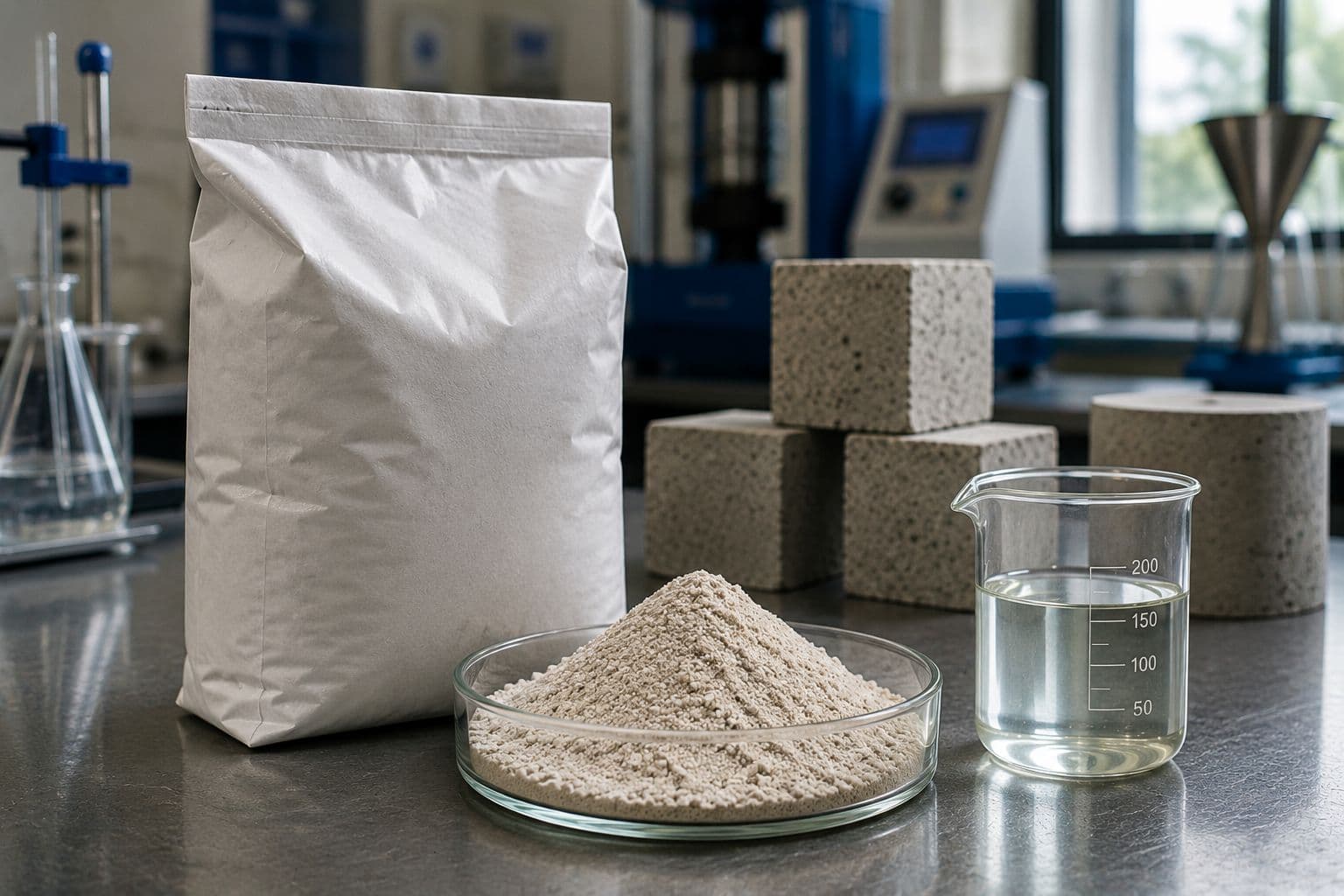
Cebex 100
Cebex 100 is widely used in construction applications where material performance, consistency, and compliance with project requirements are critical. LERM-CIVIL provides laboratory testing services to verify key quality parameters, helping consultants, contractors, and project stakeholders maintain confidence in material acceptance and project execution.
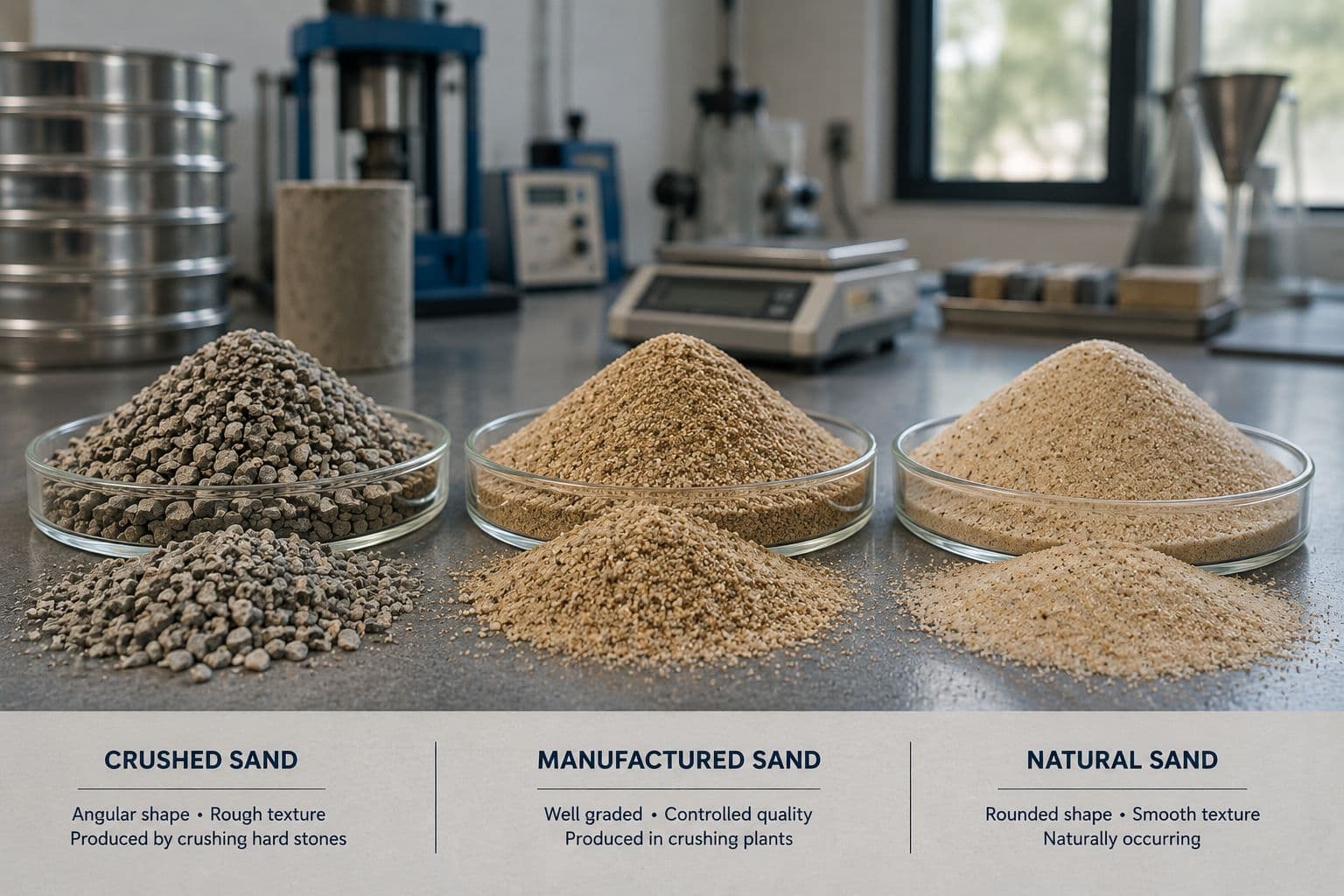
Crushed Sand / Natural Sand / Manufactured Sand
Selecting the right sand for construction projects requires more than visual inspection and supplier documentation. LERM-CIVIL provides specialized testing services for crushed sand, natural sand, and manufactured sand, helping project stakeholders verify material quality, define testing requirements, and support informed construction decisions.

Bipolar Test
Bipolar compounds used in infrastructure and industrial applications must meet strict quality and performance requirements before deployment. LERM-CIVIL provides comprehensive laboratory testing services to evaluate critical physical and chemical characteristics, helping clients verify compliance, maintain quality standards, and support safe application.