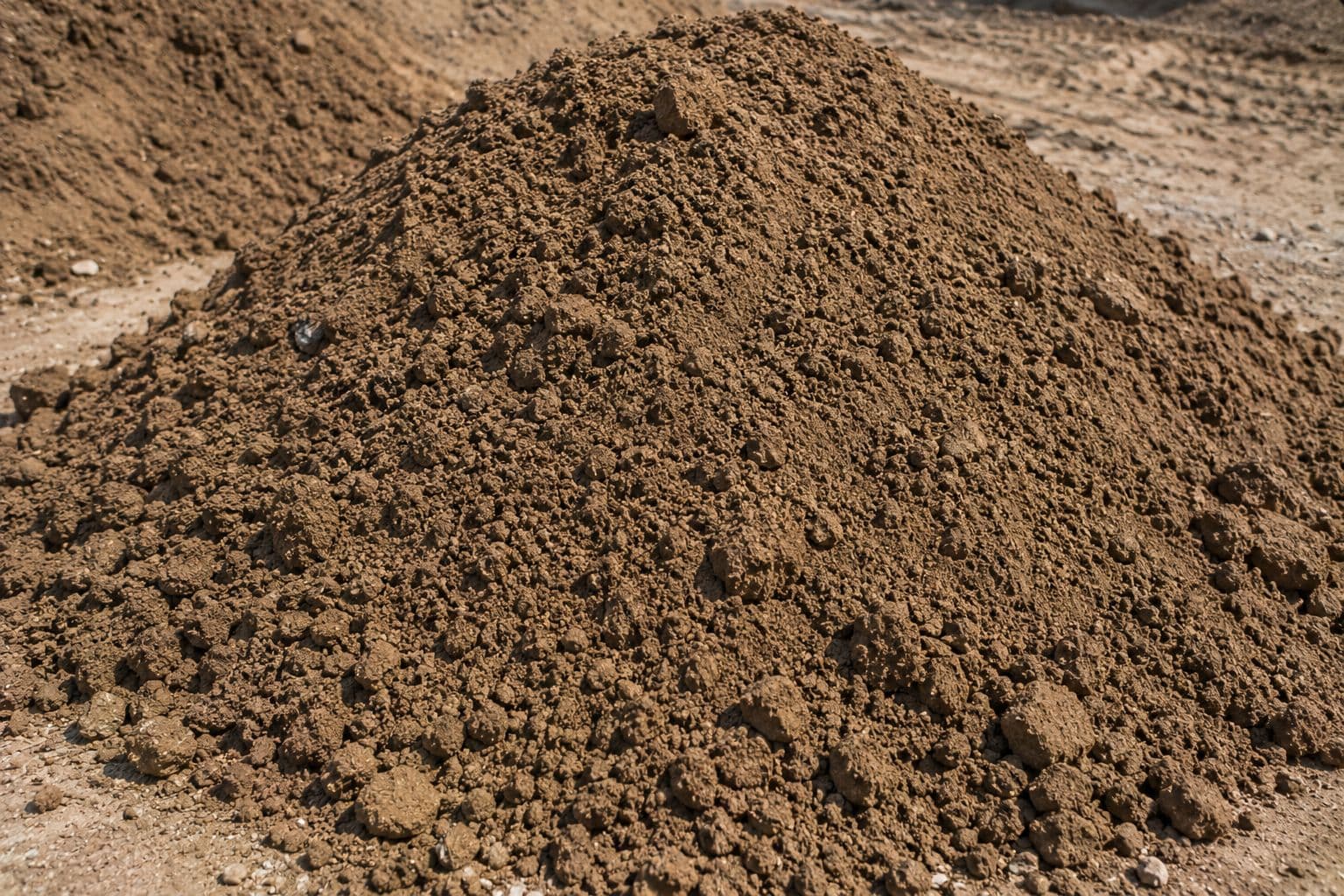
Soil
Soil forms the foundation of nearly every construction and infrastructure project. Understanding its engineering properties through comprehensive testing and evaluation helps support informed design decisions, improve construction quality, and reduce risks associated with foundation performance and ground conditions.
Every Structure Ultimately Relies on the Ground Beneath It
Regardless of how advanced a structure may be, its long-term performance depends on one fundamental factor: the ground supporting it.
Buildings, bridges, highways, airports, retaining structures, industrial facilities, metro systems, ports, and countless other infrastructure projects transfer their loads to the underlying soil. If the soil is unable to support those loads as anticipated, problems can emerge regardless of the quality of the superstructure.
For this reason, soil investigation and testing are among the most important activities carried out before construction begins. The information obtained from soil testing often influences foundation design, construction methods, excavation planning, earthwork operations, and long-term project performance.
Modern infrastructure projects demand more than assumptions regarding ground conditions. Engineers require reliable data that helps them understand how the soil is likely to behave under actual project conditions.
At LERM-CIVIL, soil testing and evaluation services support geotechnical investigations, construction planning, quality assurance programs, and infrastructure development projects by providing accurate and dependable information regarding soil characteristics and engineering suitability.
Why Soil Testing Is Critical Before Construction
One of the most common misconceptions in construction is that soil behaves consistently from one location to another.
In reality, soil conditions can vary significantly even within the same project site. Changes in composition, density, moisture content, groundwater conditions, and geological history can influence how soil responds to loading and environmental conditions.
Without proper investigation, project teams may encounter challenges such as:
* Excessive settlement
* Foundation instability
* Slope failures
* Earthwork difficulties
* Pavement performance issues
* Increased construction costs
* Project delays
Soil testing helps identify these risks before construction activities begin.
Rather than reacting to problems after they occur, project stakeholders can use testing data to make informed decisions during planning and design stages.
This proactive approach helps improve project reliability and supports more efficient execution.
LERM-CIVIL’s Approach to Soil Evaluation
LERM-CIVIL provides comprehensive soil testing and evaluation services designed to support consultants, geotechnical engineers, contractors, developers, and infrastructure agencies.
The testing process typically involves:
* Sample receipt and identification
* Documentation and traceability
* Laboratory examination
* Engineering evaluation
* Data interpretation
* Technical reporting
Through systematic testing procedures, project stakeholders gain access to reliable information regarding soil properties and suitability for intended construction applications.
The objective is to provide meaningful engineering data that supports safer design decisions and more effective project planning.
Understanding Ground Conditions Through Laboratory Testing
Soil behavior is influenced by numerous physical and engineering characteristics.
Because these characteristics directly affect foundation performance and construction activities, a detailed evaluation is often required to understand site conditions accurately.
Testing programs may be designed to provide information regarding:
Classification Characteristics
Soil classification helps engineers understand the general nature of the material and its likely engineering behavior.
Accurate classification supports foundation selection, earthwork planning, and construction decision-making.
Moisture-Related Properties
Moisture conditions can significantly influence soil performance.
Understanding these characteristics helps project teams evaluate potential changes in behavior during construction and throughout the service life of the structure.
Compaction Characteristics
Compaction plays a critical role in earthwork and infrastructure projects.
Testing provides information that supports field compaction activities and helps ensure that engineered fills and embankments perform as intended.
Strength and Stability Parameters
Engineering decisions often depend on understanding how soil will respond under loading conditions.
Testing helps provide valuable information regarding soil behavior, stability, and performance expectations.
Supporting Foundation Design and Construction Planning
One of the primary objectives of soil testing is to support foundation engineering.
The type of foundation selected for a project is heavily influenced by the characteristics of the underlying soil.
Reliable testing data helps engineers evaluate:
* Foundation suitability
* Ground improvement requirements
* Excavation considerations
* Settlement-related concerns
* Load-bearing performance
* Site development strategies
By providing accurate information regarding site conditions, testing helps reduce uncertainty during design and construction.
This contributes to safer and more economical project solutions.
The Role of Soil Testing in Infrastructure Development
Infrastructure projects often involve significant investments and long service-life expectations.
Roads, bridges, airports, rail corridors, industrial developments, and public infrastructure assets must perform reliably under changing environmental and operational conditions.
Understanding ground conditions is therefore essential for achieving long-term performance objectives.
Testing provides project stakeholders with information that supports:
* Design verification
* Risk assessment
* Quality assurance
* Construction planning
* Asset durability objectives
This information becomes particularly valuable in projects involving challenging site conditions or complex geotechnical requirements.
Supporting Consultants, Contractors, and Project Owners
Different stakeholders rely on soil testing data for different reasons.
Consultants use the information to support design recommendations and technical reviews.
Contractors depend on reliable testing results to plan construction activities and maintain quality standards.
Developers and project owners seek confidence that site conditions have been properly evaluated and that design decisions are supported by dependable engineering data.
LERM-CIVIL assists all of these stakeholders through professional testing services and detailed technical reporting that contribute to informed decision-making throughout project execution.
The Importance of Independent Geotechnical Evaluation
As projects become larger and more technically demanding, independent testing continues to play an increasingly important role.
Third-party evaluation helps:
* Verify investigation findings
* Support engineering decisions
* Improve project transparency
* Strengthen quality assurance programs
* Reduce geotechnical uncertainty
* Enhance stakeholder confidence
Independent testing provides objective information that can support both technical and commercial decision-making.
For major infrastructure and development projects, this additional level of assurance is often extremely valuable.
LERM-CIVIL’s Commitment to Reliable Ground Investigation
Effective construction begins with a clear understanding of site conditions.
LERM-CIVIL supports this objective through comprehensive soil testing services designed to help project teams obtain accurate and reliable information regarding ground behavior and engineering suitability.
By combining technical expertise, laboratory capabilities, and practical industry experience, LERM assists clients in strengthening geotechnical investigations and improving confidence in project decisions.
The goal is to provide dependable engineering information that supports safer construction, stronger foundations, and more reliable infrastructure development.
Conclusion
Soil remains one of the most important factors influencing the success of any construction or infrastructure project. Understanding its characteristics through proper testing and evaluation is essential for reducing uncertainty, supporting engineering decisions, and improving project outcomes.
Through systematic laboratory testing, technical analysis, and professional reporting, LERM-CIVIL helps consultants, contractors, developers, and infrastructure agencies gain a clearer understanding of ground conditions and make informed decisions throughout the project lifecycle. Reliable soil testing continues to be a critical component of successful and sustainable infrastructure development.
Related Posts
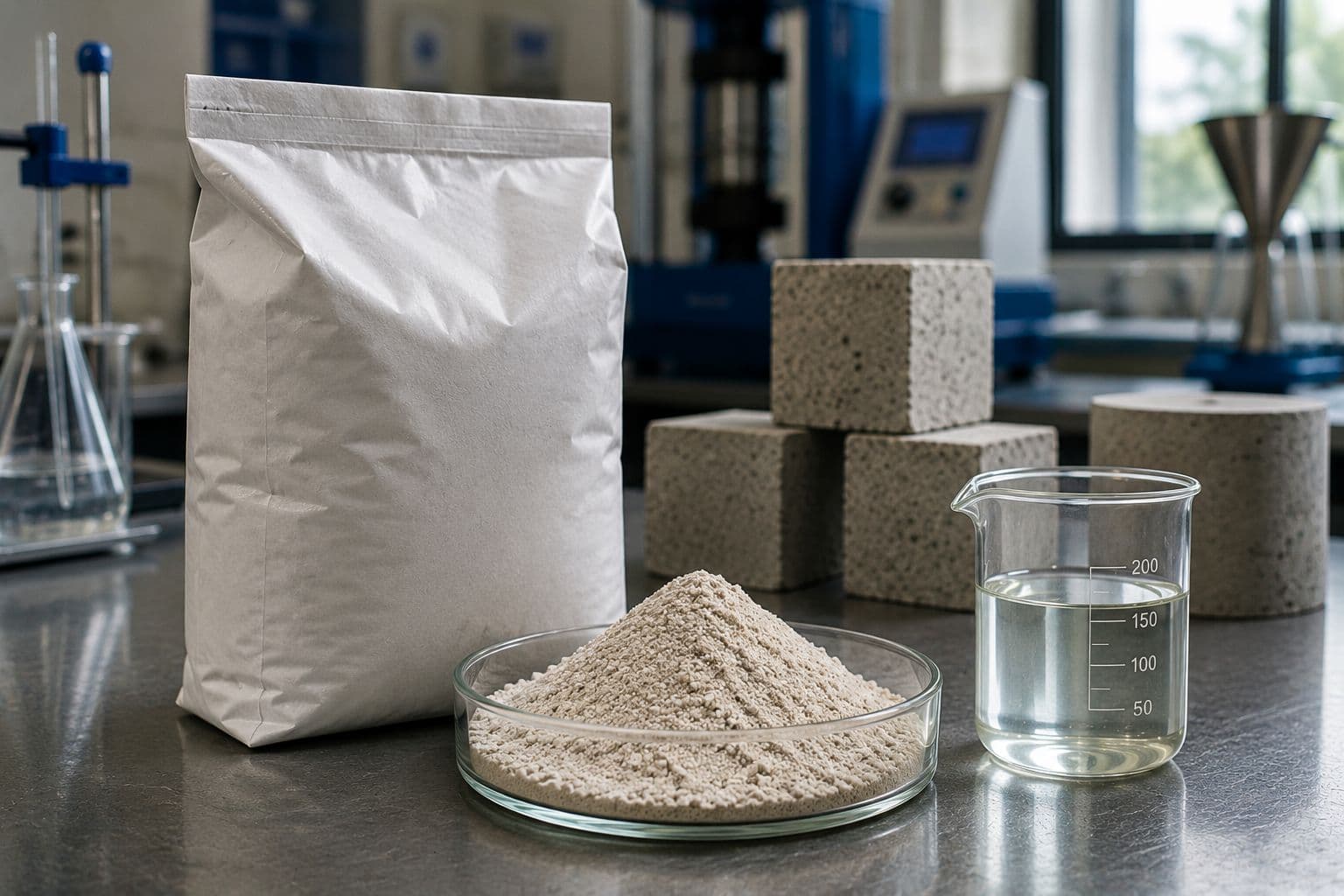
Cebex 100
Cebex 100 is widely used in construction applications where material performance, consistency, and compliance with project requirements are critical. LERM-CIVIL provides laboratory testing services to verify key quality parameters, helping consultants, contractors, and project stakeholders maintain confidence in material acceptance and project execution.
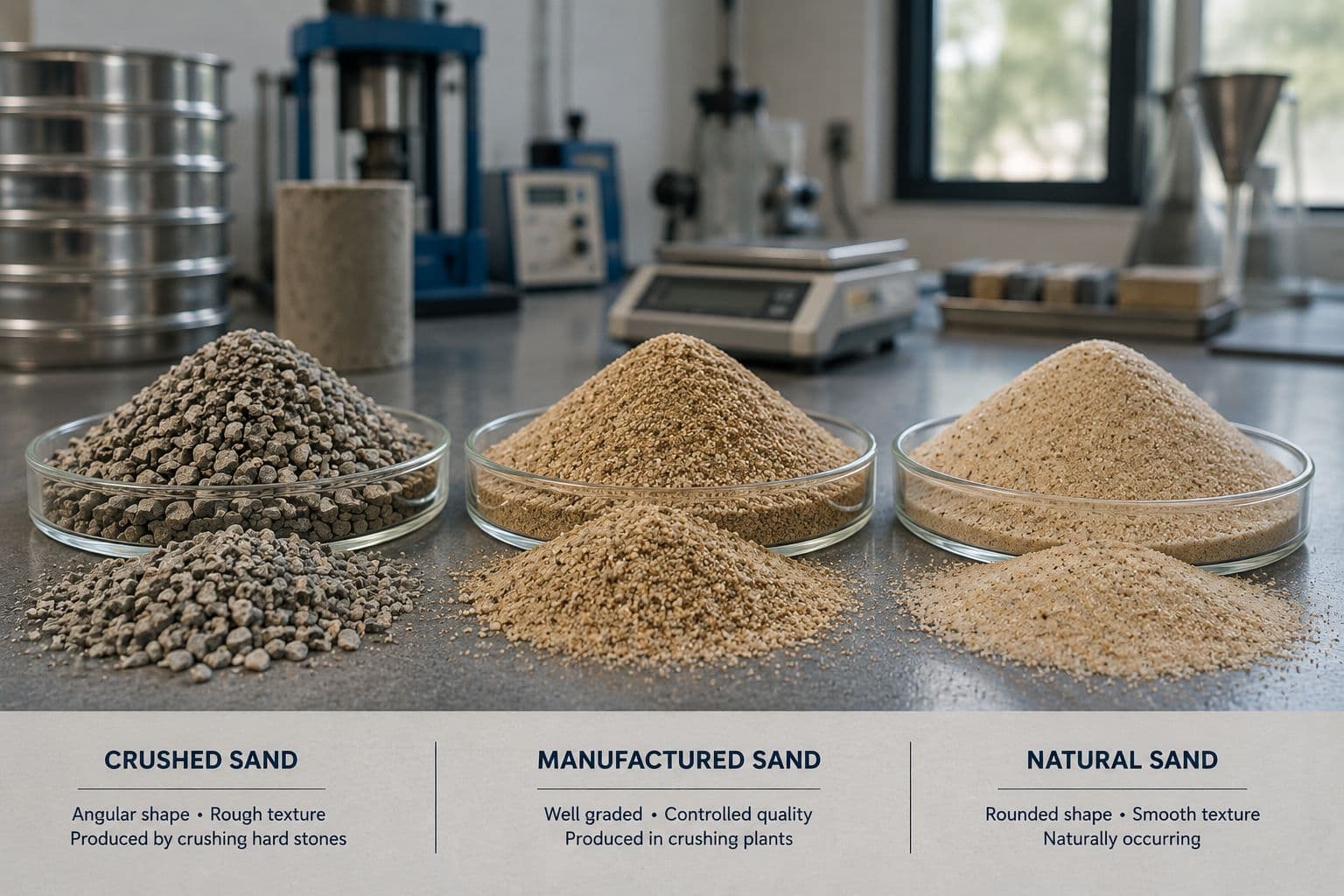
Crushed Sand / Natural Sand / Manufactured Sand
Selecting the right sand for construction projects requires more than visual inspection and supplier documentation. LERM-CIVIL provides specialized testing services for crushed sand, natural sand, and manufactured sand, helping project stakeholders verify material quality, define testing requirements, and support informed construction decisions.

Bipolar Test
Bipolar compounds used in infrastructure and industrial applications must meet strict quality and performance requirements before deployment. LERM-CIVIL provides comprehensive laboratory testing services to evaluate critical physical and chemical characteristics, helping clients verify compliance, maintain quality standards, and support safe application.