
Granular Sub Base (GSB)
Granular Sub Base (GSB) forms a critical layer in road, highway, and pavement construction. Ensuring its quality through proper testing and evaluation helps improve load distribution, structural stability, drainage performance, and the long-term durability of transportation infrastructure projects.
Quality at the Foundation of Every Road Project
When discussing the performance of roads, highways, industrial pavements, airport runways, and transportation corridors, attention is often focused on the visible layers such as asphalt or concrete. However, the long-term success of these structures depends heavily on what lies beneath the surface.
The Granular Sub Base (GSB) layer plays a vital role in supporting pavement systems by providing a stable foundation that helps distribute loads and maintain structural integrity throughout the life of the project. Any deficiencies within this layer can affect the performance of the entire pavement structure, leading to premature deterioration, increased maintenance requirements, and reduced service life.
For consultants, contractors, project owners, and infrastructure agencies, ensuring the quality of GSB materials is therefore a critical part of quality assurance and project control.
At LERM-CIVIL, GSB testing and evaluation services support infrastructure stakeholders by providing reliable data regarding material quality, compliance, and suitability for intended applications.
Why GSB Testing Matters
Road construction projects involve significant investments, strict timelines, and long-term performance expectations. While design and construction practices are important, the quality of materials used throughout the pavement structure remains equally critical.
Even when materials appear acceptable during visual inspection, variations in grading, compaction characteristics, particle distribution, and overall quality can significantly influence field performance.
Testing helps project teams verify whether materials meet specified requirements before they become part of the permanent works.
The objective extends beyond compliance alone. Proper evaluation supports informed decision-making, reduces material-related uncertainties, and contributes to improved durability throughout the project lifecycle.
By identifying potential issues early, project stakeholders can avoid costly corrective actions after construction has been completed.
LERM-CIVIL’s Approach to GSB Evaluation
LERM-CIVIL provides comprehensive testing and quality evaluation services designed to assess whether GSB materials comply with project specifications and applicable standards.
The evaluation process begins with sample collection and documentation procedures that support traceability throughout the testing cycle. Samples are examined using established laboratory methodologies to determine various characteristics that influence performance within pavement systems.
The resulting data helps consultants, contractors, infrastructure developers, and project owners understand whether supplied materials are suitable for their intended use.
This systematic approach contributes to stronger quality assurance programs and supports better project outcomes.
Key Parameters Evaluated During GSB Testing
The performance of a Granular Sub Base layer depends on multiple material characteristics working together.
To provide a complete assessment of material quality, testing programs typically evaluate a range of parameters that influence stability, drainage, compaction, and overall pavement performance.
Gradation Analysis
Particle size distribution plays a major role in determining how a GSB layer behaves under loading conditions.
Proper gradation contributes to:
* Improved load distribution
* Better compaction characteristics
* Reduced voids
* Enhanced structural performance
* Consistent field behavior
Evaluating gradation helps determine whether the material falls within specified limits and meets project requirements.
Compaction Characteristics
Achieving proper compaction is essential for pavement performance.
Compaction-related evaluations help establish how the material behaves during placement and construction activities, providing valuable information regarding density and field performance expectations.
Density Evaluation
Density directly influences the ability of the layer to support overlying pavement systems.
Testing helps verify whether the material can achieve the required levels of stability and structural support.
Material Quality Assessment
Overall material quality remains an important consideration in determining suitability for infrastructure applications.
Laboratory evaluation helps identify characteristics that may influence long-term pavement performance and serviceability.
Supporting Pavement Performance and Durability
One of the primary objectives of GSB testing is to support long-term pavement durability.
Transportation infrastructure is expected to withstand repeated traffic loading, environmental exposure, and changing operating conditions over extended periods.
Material deficiencies within lower pavement layers often remain hidden until signs of failure begin appearing at the surface.
By verifying quality before construction progresses, project teams can reduce the likelihood of future performance-related issues and strengthen confidence in the completed structure.
This proactive approach aligns with modern quality management practices adopted across infrastructure projects worldwide.
Supporting Contractors and Consultants Through Reliable Data
Successful project execution depends on accurate information.
Contractors require dependable test results to demonstrate compliance and maintain project schedules. Consultants rely on verified data when reviewing material suitability and approving construction activities.
Project owners benefit from greater transparency and confidence regarding material quality and long-term performance expectations.
LERM-CIVIL supports these stakeholders by providing professional testing services and clear reporting that contribute to better decision-making throughout project execution.
The availability of reliable laboratory data helps create a stronger connection between design assumptions, material selection, and actual field performance.
The Value of Independent Testing
As infrastructure projects continue to increase in complexity and scale, independent testing has become an increasingly important component of quality assurance.
Third-party evaluation helps:
* Verify compliance with specifications
* Strengthen quality control processes
* Improve documentation and traceability
* Reduce project risks
* Support regulatory requirements
* Enhance stakeholder confidence
Independent verification also provides an additional level of objectivity that supports transparency across all stages of project delivery.
For public infrastructure projects in particular, this added assurance can be extremely valuable.
LERM-CIVIL’s Commitment to Infrastructure Quality
Infrastructure projects demand more than compliance alone. They require confidence that every material incorporated into the project can contribute to long-term performance and reliability.
LERM-CIVIL supports this objective through systematic testing, professional evaluation, and detailed reporting services that help stakeholders maintain quality standards throughout construction.
By combining technical expertise with practical industry experience, LERM assists project teams in verifying material suitability and reducing uncertainty before construction progresses further.
The goal is to provide meaningful engineering information that supports safer, more durable, and more reliable infrastructure development.
Conclusion
The quality of a pavement structure depends on the quality of every layer within it, including those that remain hidden after construction is complete. Granular Sub Base materials play a critical role in supporting pavement performance, making proper testing and evaluation an essential part of modern infrastructure development.
Through comprehensive laboratory testing and independent quality assessment, LERM-CIVIL helps consultants, contractors, and project owners verify compliance, strengthen quality assurance programs, and improve confidence in project outcomes. As transportation infrastructure continues to evolve, reliable material evaluation remains a key contributor to long-term durability and performance.
Related Posts
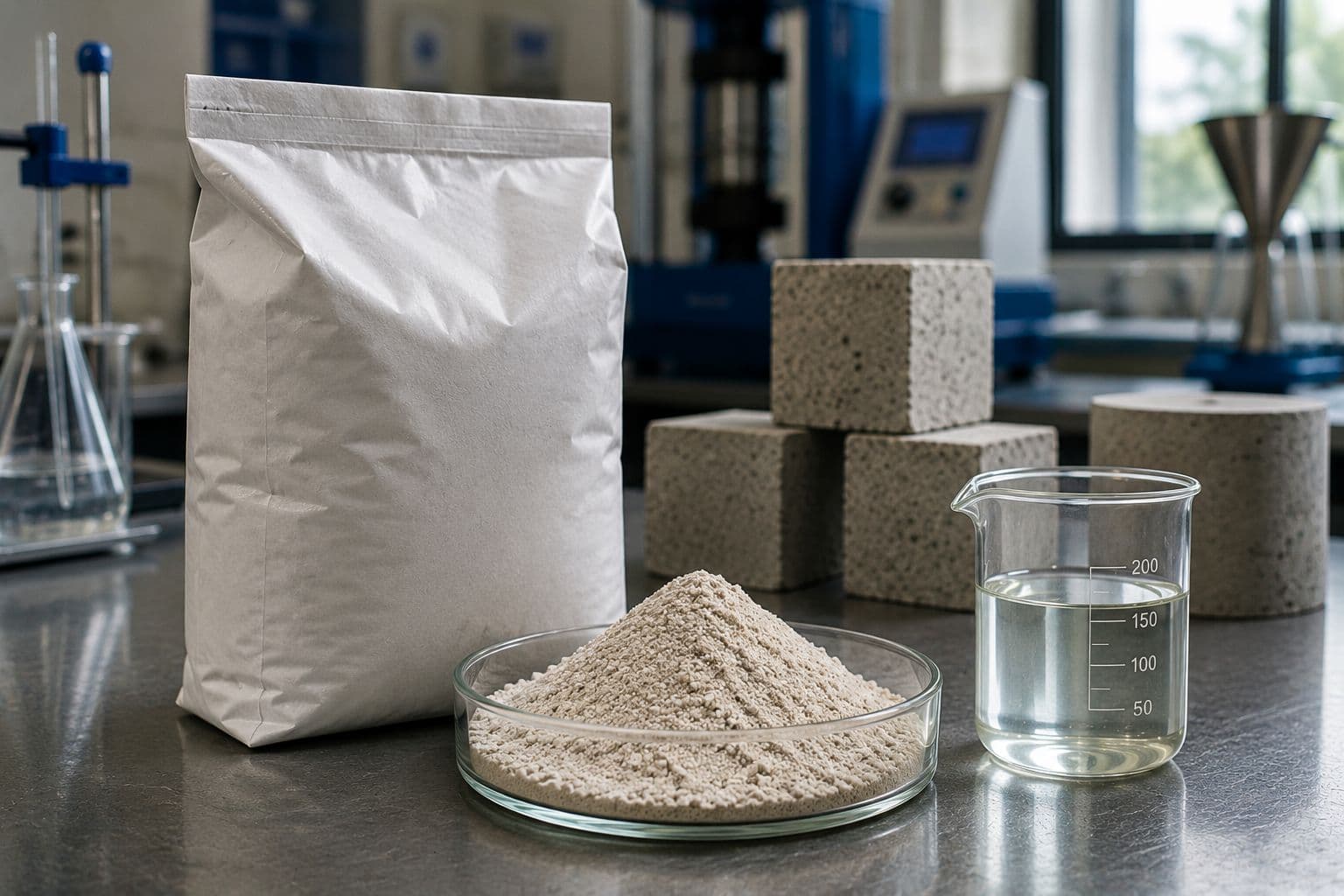
Cebex 100
Cebex 100 is widely used in construction applications where material performance, consistency, and compliance with project requirements are critical. LERM-CIVIL provides laboratory testing services to verify key quality parameters, helping consultants, contractors, and project stakeholders maintain confidence in material acceptance and project execution.
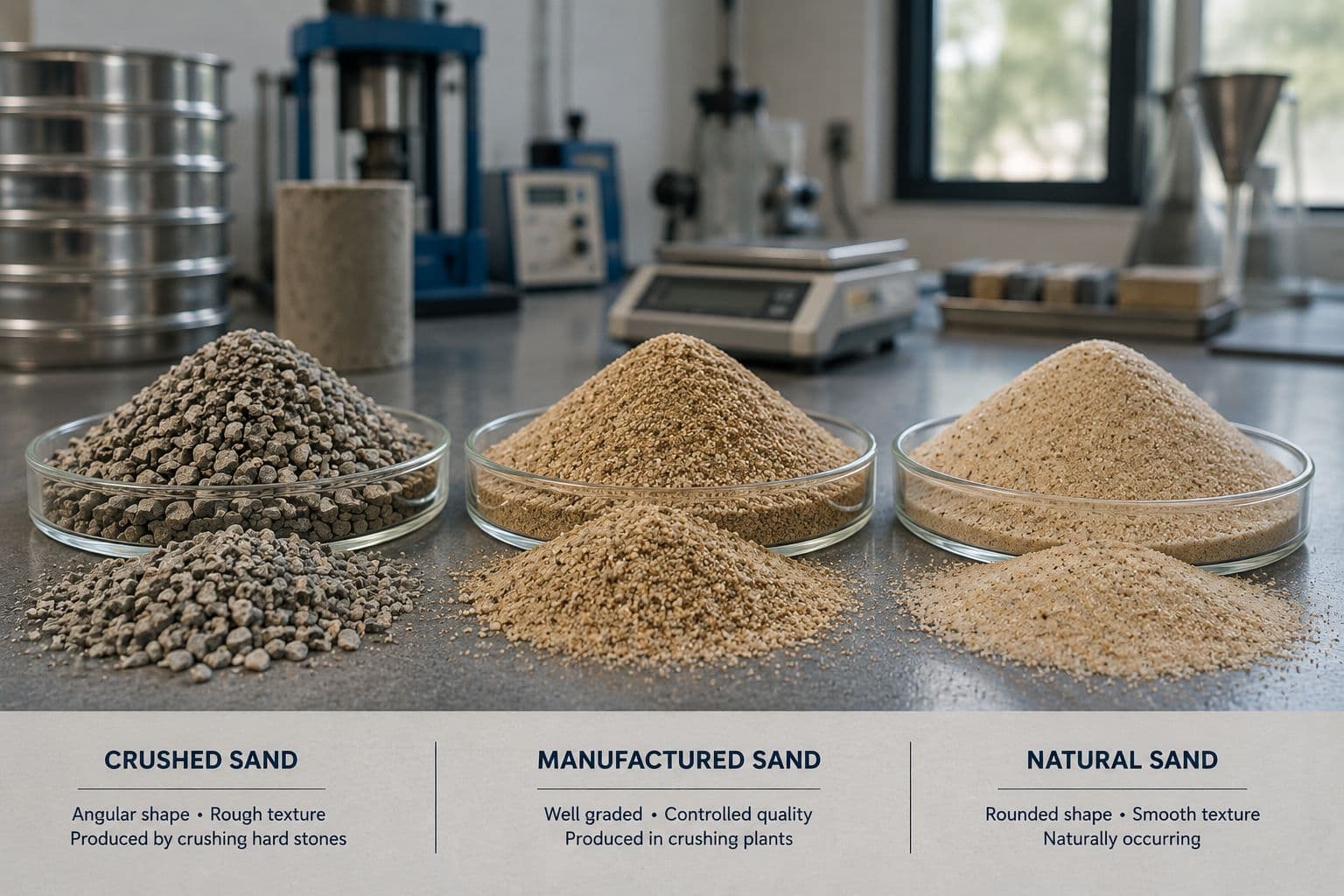
Crushed Sand / Natural Sand / Manufactured Sand
Selecting the right sand for construction projects requires more than visual inspection and supplier documentation. LERM-CIVIL provides specialized testing services for crushed sand, natural sand, and manufactured sand, helping project stakeholders verify material quality, define testing requirements, and support informed construction decisions.

Bipolar Test
Bipolar compounds used in infrastructure and industrial applications must meet strict quality and performance requirements before deployment. LERM-CIVIL provides comprehensive laboratory testing services to evaluate critical physical and chemical characteristics, helping clients verify compliance, maintain quality standards, and support safe application.