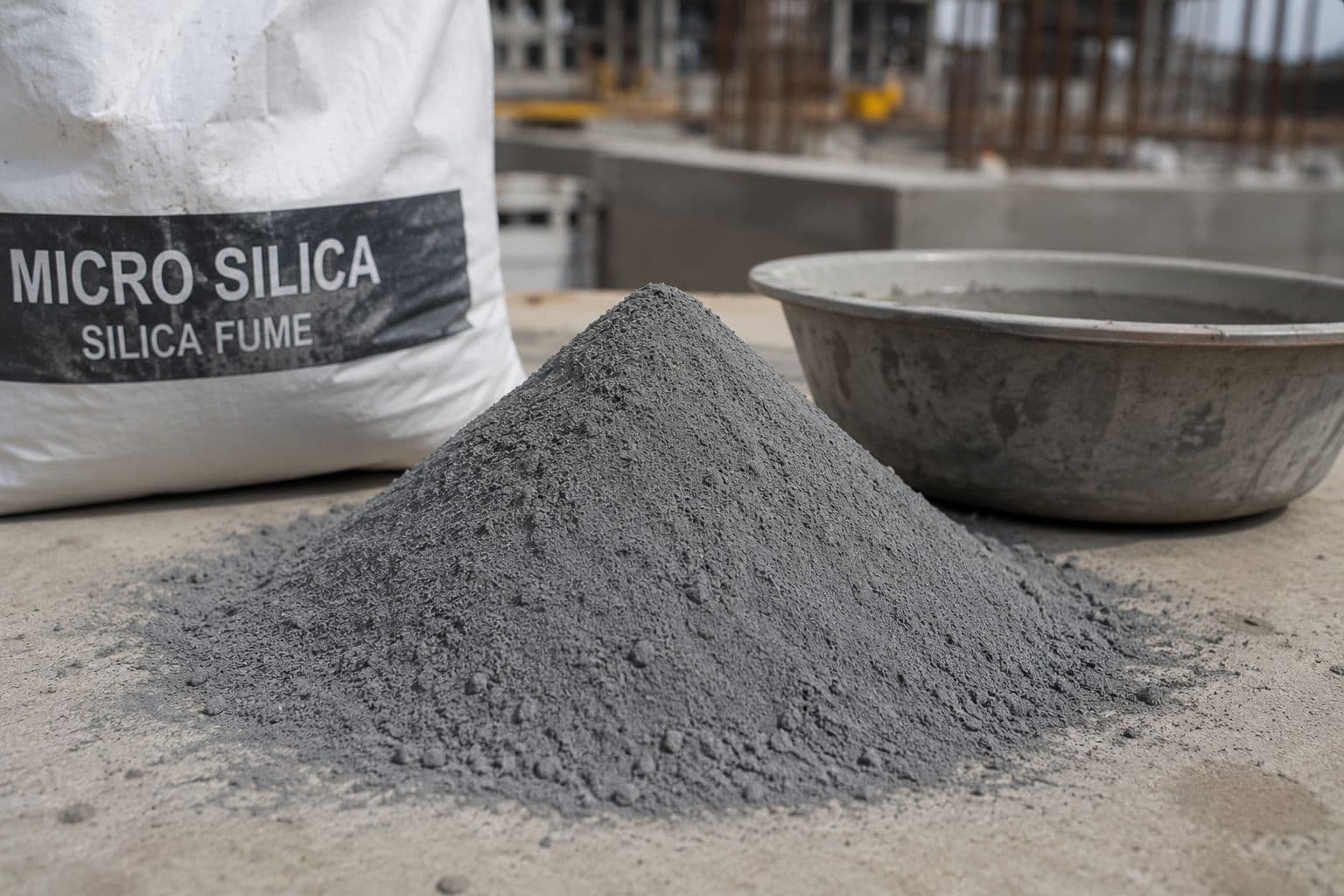
Micro Silica
Micro Silica is widely used in high-performance concrete applications to enhance strength, durability, and resistance to aggressive environmental conditions. Proper testing and evaluation help verify material quality, ensure compliance with project specifications, and support the long-term performance of concrete structures.
Supporting High-Performance Construction Through Quality Assurance
As infrastructure projects become more demanding, the construction industry continues to seek materials that improve concrete performance and durability. Whether it is bridges, marine structures, high-rise buildings, industrial facilities, metro systems, or critical infrastructure projects, long-term durability has become just as important as strength.
Micro Silica has emerged as one of the most widely used supplementary materials in modern concrete technology. Its incorporation into concrete mixtures is often associated with improved performance characteristics and enhanced durability. However, achieving the expected benefits depends on the quality and consistency of the material being used.
For consultants, contractors, ready-mix concrete producers, infrastructure developers, and project owners, verifying material quality is an important part of ensuring that project objectives are achieved.
At LERM-CIVIL, Micro Silica testing and evaluation services help stakeholders assess material quality, verify compliance, and strengthen quality assurance programs throughout the construction process.
Why Material Verification Matters
Construction projects are designed with specific performance requirements in mind. Engineers expect materials to behave consistently and contribute to the overall strength, durability, and service life of the structure.
However, variations in manufacturing processes, storage conditions, handling practices, and material characteristics can influence performance. Materials that appear acceptable may still exhibit variations that affect their suitability for critical applications.
Independent testing provides project teams with reliable information regarding material quality and compliance before the material is incorporated into concrete production.
This approach helps reduce uncertainty and supports better decision-making throughout the project lifecycle.
By identifying potential concerns early, stakeholders can maintain quality standards and minimize risks associated with material variability.
LERM-CIVIL’s Approach to Micro Silica Testing
LERM-CIVIL provides systematic testing and quality evaluation services designed to assess whether Micro Silica materials meet specified requirements and performance expectations.
The evaluation process typically involves sample receipt, documentation, laboratory examination, data analysis, and reporting. This structured methodology helps ensure consistency, traceability, and reliability throughout the testing process.
The resulting information assists project stakeholders in verifying material quality and supporting approval procedures, procurement decisions, and quality control activities.
Rather than relying solely on supplier documentation, independent testing provides an additional level of confidence regarding material suitability.
Key Parameters Evaluated During Micro Silica Testing
The effectiveness of Micro Silica in concrete applications depends on a number of important material characteristics.
Physical Properties
Physical evaluations help assess whether the material possesses the characteristics required for its intended application.
Understanding these properties contributes to improved consistency and quality control during concrete production.
Particle Characteristics
Particle-related evaluations help determine whether the material exhibits the characteristics necessary for effective performance within concrete mixtures.
These assessments support quality verification and help identify potential variations between material sources.
Chemical Composition
Chemical analysis forms an important part of quality assessment.
Verifying composition helps determine compliance with applicable specifications and provides confidence regarding material quality.
Performance-Related Characteristics
Performance-based evaluations provide valuable information regarding how the material may contribute to the overall behavior of concrete systems.
This information supports project teams in maintaining quality standards and performance expectations.
Supporting Concrete Durability and Long-Term Performance
Durability remains one of the most important considerations in modern construction.
Infrastructure assets are expected to perform for decades while being exposed to traffic loads, environmental conditions, moisture, temperature fluctuations, and other operational challenges.
The quality of materials used within concrete systems can significantly influence long-term performance outcomes.
Testing helps project stakeholders verify that materials satisfy specified requirements before they become part of the permanent works.
This proactive approach contributes to stronger quality assurance practices and helps support long-term infrastructure reliability.
Assisting Consultants, Contractors, and Project Owners
Quality assurance is a shared responsibility involving multiple project stakeholders.
Consultants require dependable data when reviewing material compliance and approving construction activities.
Contractors rely on testing information to maintain quality control procedures and demonstrate adherence to project requirements.
Project owners and infrastructure agencies seek confidence that materials incorporated into the project will support long-term performance objectives.
LERM-CIVIL supports these stakeholders through professional testing services and comprehensive reporting that facilitate informed decision-making throughout project execution.
The Importance of Independent Testing
As construction projects become increasingly complex, independent verification has become an essential component of quality management.
Third-party testing helps:
* Verify compliance with specifications
* Strengthen quality assurance systems
* Improve transparency
* Support procurement decisions
* Reduce material-related risks
* Enhance stakeholder confidence
Independent evaluation provides an objective assessment of material quality and contributes to stronger project governance.
This additional level of assurance is particularly valuable for critical infrastructure and high-performance construction projects.
LERM-CIVIL’s Commitment to Quality Construction
Successful construction projects depend on more than design and execution. They also require effective quality management systems supported by reliable testing and evaluation.
LERM-CIVIL assists project teams through systematic material assessment, technical expertise, and professional reporting that help verify compliance and support quality objectives.
The focus is on delivering accurate information that enables stakeholders to make informed decisions regarding material acceptance and project quality.
Through comprehensive testing services, LERM contributes to safer, more durable, and higher-performing infrastructure.
Conclusion
Micro Silica is widely used in projects where concrete performance and durability are critical considerations. Ensuring material quality through proper testing and evaluation helps support compliance, quality assurance, and long-term project success.
Through independent testing and professional assessment, LERM-CIVIL helps consultants, contractors, and project owners verify material suitability, strengthen quality control programs, and improve confidence in construction outcomes. Reliable testing remains an important part of delivering durable and resilient infrastructure.
Related Posts
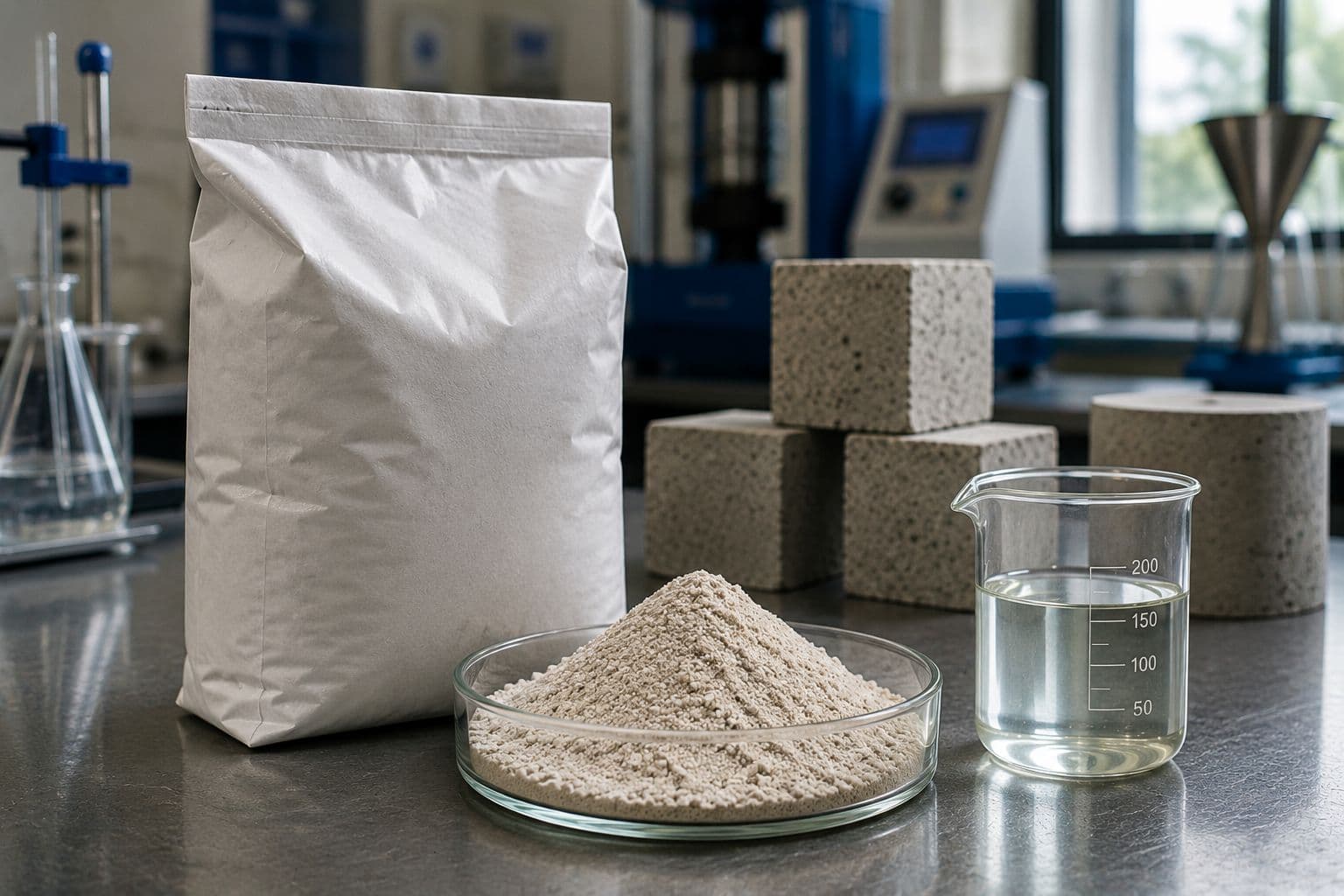
Cebex 100
Cebex 100 is widely used in construction applications where material performance, consistency, and compliance with project requirements are critical. LERM-CIVIL provides laboratory testing services to verify key quality parameters, helping consultants, contractors, and project stakeholders maintain confidence in material acceptance and project execution.
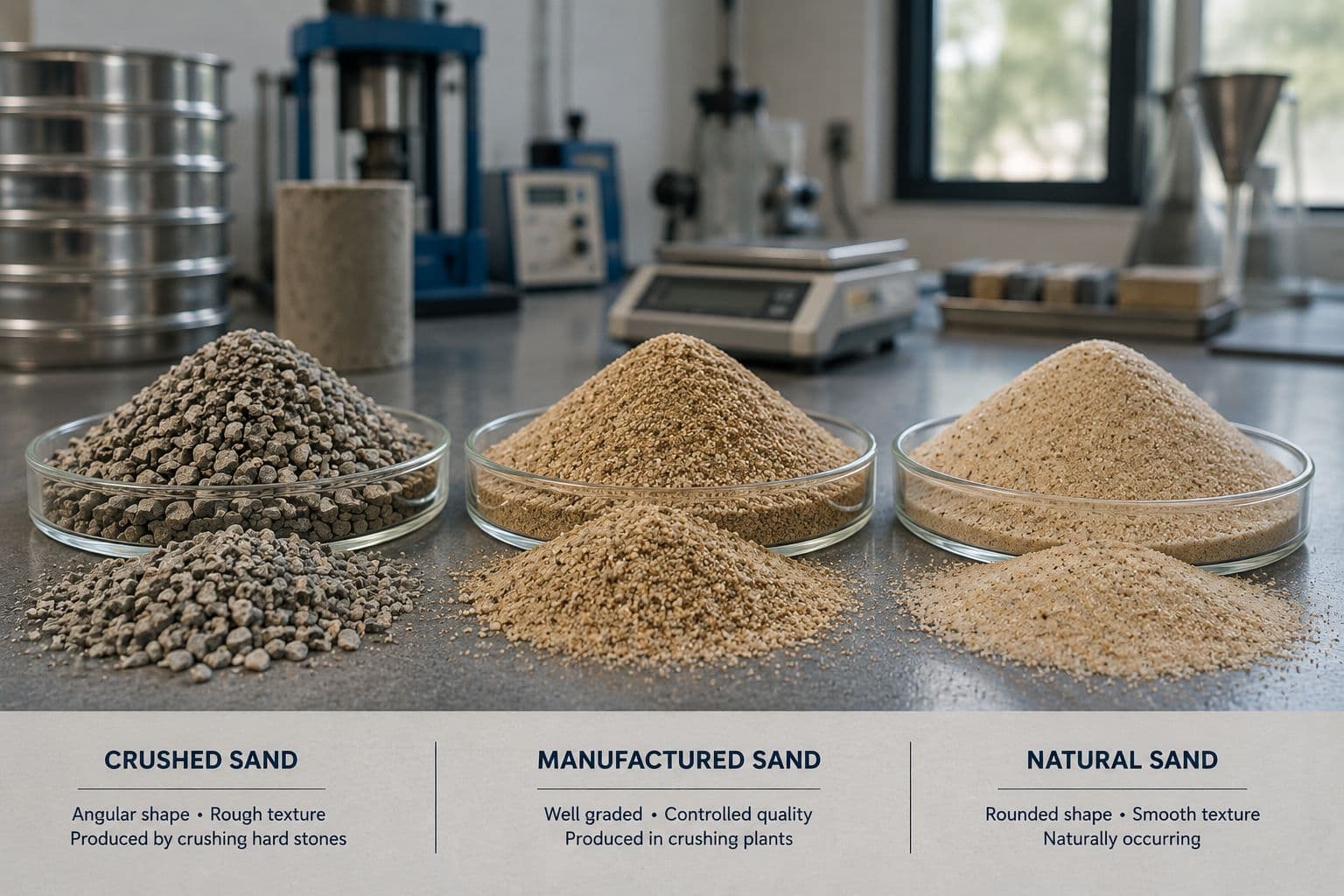
Crushed Sand / Natural Sand / Manufactured Sand
Selecting the right sand for construction projects requires more than visual inspection and supplier documentation. LERM-CIVIL provides specialized testing services for crushed sand, natural sand, and manufactured sand, helping project stakeholders verify material quality, define testing requirements, and support informed construction decisions.

Bipolar Test
Bipolar compounds used in infrastructure and industrial applications must meet strict quality and performance requirements before deployment. LERM-CIVIL provides comprehensive laboratory testing services to evaluate critical physical and chemical characteristics, helping clients verify compliance, maintain quality standards, and support safe application.